
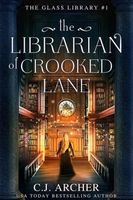
The Glass Library Books in Order
About The Glass Library series
Series Premise
Set in an alternate 1920s England where magic exists but is tightly regulated and often hidden from the general public, the series follows investigations into magical artifacts, rare spells, thefts, forgeries, and enigmatic occurrences linked to ancient tomes, enchanted objects, and forgotten magical lineages. Magic in this world manifests in specialized forms—such as glass magic (manipulating time, memories, or reflections through glass) and other elemental or rare affinities—governed by guilds, societies, and informal networks of practitioners who must navigate secrecy, societal prejudice, and the lingering scars of the Great War. Central threads involve protagonists unraveling crimes or puzzles that threaten the magical community or personal lives, often requiring collaboration between those with magical abilities and those without, while exploring themes of heritage, trust, redemption, and the value of preserving knowledge.
The series is best read in publication (or chronological) order to fully appreciate the ongoing character development, evolving relationships, and interconnected mysteries. While each installment features a primary case or puzzle with its own resolution, recurring elements—including side characters, references to past events, and deepening bonds among the core group—build progressively across the books, creating a richer narrative tapestry. Reading sequentially enhances emotional investment in the slow-burn romance and allows subtle clues and world-building details to accumulate meaningfully, though individual stories remain accessible enough that newcomers can enjoy a single volume without feeling entirely lost.
Main Characters
The ensemble centers on a core duo whose partnership drives much of the series' emotional arc, supported by a warm, interconnected circle of friends, family, and colleagues. The primary heroine is a dedicated, intelligent young librarian—reserved, observant, and deeply affected by her mysterious past and rare magical gift—who finds purpose in her work while slowly opening up to trust and affection. Her counterpart is a charismatic, war-scarred hero—brave, principled, and quietly burdened by his experiences—who brings determination and protective instincts to their joint endeavors. Their dynamic is one of mutual respect and gradual vulnerability, with complementary strengths: her scholarly insight and magical intuition paired with his practical experience and courage. Recurring supporting characters include wise mentors from magical guilds, loyal friends who offer comic relief or sage advice, family members (some carrying over from the connected series) who provide warmth and occasional meddling, and a variety of suspects, informants, or allies encountered during investigations. The cast feels lived-in and authentic—flawed yet kind-hearted individuals shaped by their era—who form a found-family network that grows stronger with each story, emphasizing themes of belonging, loyalty, and shared purpose.
Setting
The series is firmly rooted in post-World War I England, primarily 1920s London, with occasional excursions to other locales that enhance the historical flavor. The era's atmosphere is vividly evoked: bustling streets recovering from war, elegant townhouses and grand institutions, foggy evenings, afternoon teas, and the subtle shifts toward modernity amid lingering traditionalism. Key locations include the fictional London Philosophical Society's library—a grand, hushed repository of rare books and artifacts that serves as a central hub for investigations—along with guild halls, private collections, auction houses, and cozy domestic spaces where characters reflect or collaborate. Magical elements are understated yet integral, woven into everyday settings: enchanted paintings that hold memories, ledgers that reveal hidden truths, manuscripts with protective spells, or glass objects that store echoes of the past. The post-war context adds layers of realism—characters deal with physical and emotional scars, economic uncertainties, shifting social roles (especially for women), and a society still adjusting to the existence of magic in a rationalizing world. This backdrop creates a sense of gentle nostalgia mixed with forward-looking optimism, where libraries and archives symbolize preservation and hope amid change.
Tone & Themes
Archer maintains a gentle, introspective, and warmly optimistic tone throughout, favoring a cozy mystery vibe infused with light fantasy and tender romance. The pacing is deliberate and measured—often described as glacially slow-burn—allowing ample space for character introspection, quiet conversations, and gradual revelations rather than rapid-fire action or relentless suspense. Tension arises from intellectual puzzles, personal vulnerabilities, and the occasional threat of danger, but the series avoids graphic violence or overwhelming darkness, instead emphasizing hope, resilience, and the healing power of connection in the aftermath of war. Romantic elements unfold with restraint and sweetness: subtle flirtations, meaningful gestures, and deepening emotional intimacy take precedence over explicit heat, creating a clean, heartfelt slow-burn dynamic that rewards patient readers with genuine chemistry and satisfying payoff. Humor emerges softly through dry wit, awkward social moments, and the endearing quirks of scholarly or eccentric supporting characters, while underlying melancholy from wartime losses adds poignant depth without descending into despair. Overall, the tone feels comforting and immersive—like settling into a favorite library chair with a cup of tea—offering escapism grounded in relatable human experiences and the quiet thrill of discovery.
The Glass Library series shines as a thoughtful, enchanting addition to historical fantasy, delivering cozy mysteries wrapped in gentle magic, slow-burn romance, and heartfelt character growth against a richly realized 1920s backdrop. C.J. Archer masterfully balances intrigue with emotional depth, creating stories that celebrate intellect, resilience, and the quiet magic of human connection in a world still healing from war. Whether drawn to scholarly sleuthing, tender relationships, or subtle enchantments hidden in plain sight, readers find a comforting yet captivating escape that lingers like the glow of lamplight on old books—perfect for anyone seeking uplifting, character-focused tales of discovery, trust, and love unfolding one page at a time.
FAQ
6 books
No new book in the series is currently scheduled. The latest book, The Journal of a Thousand Years, was published in March 2025.
The Journal of a Thousand Years was published in March 2025.
The first book in the series is The Librarian of Crooked Lane, published in September 2022.
The series primarily falls into the Historical genre.
Set in an alternate 1920s England where magic exists but is tightly regulated and often hidden from the general public, the series follows investigations into magical artifacts, rare spells, thefts, forgeries, and enigmatic occurrences linked to ancient tomes, enchanted objects, and forgotten magical lineages. Magic in this world manifests in specialized forms—such as glass magic (manipulating time, memories, or reflections through glass) and other elemental or rare affinities—governed by guilds, societies, and informal networks of practitioners who must navigate secrecy, societal prejudice, and the lingering scars of the Great War. Central threads involve protagonists unraveling crimes or puzzles that threaten the magical community or personal lives, often requiring collaboration between those with magical abilities and those without, while exploring themes of heritage, trust, redemption, and the value of preserving knowledge. The series is best read in publication (or chronological) order to fully appreciate the ongoing character development, evolving relationships, and interconnected mysteries. While each installment features a primary case or puzzle with its own resolution, recurring elements—including side characters, references to past events, and deepening bonds among the core group—build progressively across the books, creating a richer narrative tapestry. Reading sequentially enhances emotional investment in the slow-burn romance and allows subtle clues and world-building details to accumulate meaningfully, though individual stories remain accessible enough that newcomers can enjoy a single volume without feeling entirely lost.
The series does not currently have a new book scheduled.