Genre guide

Magical Realism Books

Browse magical realism books, authors, and series on FictionDB. Find popular series in order, reader-favorite authors, and related fiction categories.

Top Magical Realism Series

Start with popular magical realism series, especially if you want connected books, recurring characters, or a clear reading order.

Popular Magical Realism Authors

Browse authors frequently associated with magical realism books and series.

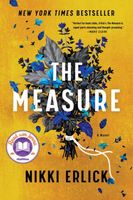
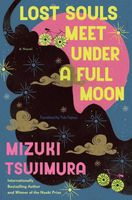
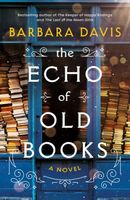
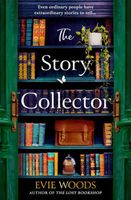
Popular Magical Realism Books

Explore popular magical realism books from FictionDB’s genre data.
About Magical Realism

Magical Realism is a literary style that blends realistic depictions of everyday life with subtle, inexplicable magical or fantastical elements presented as ordinary and unquestioned. The magic isn't explained, sensationalized, or the central focus -- it's simply part of the fabric of reality, accepted matter-of-factly by characters and narrated without surprise. This creates a dreamlike, poetic, or unsettling atmosphere that often serves to highlight deeper truths about society, culture, history, identity, colonialism, family, or human experience. Magical realism feels like literary fiction with a gentle twist of the surreal: the world is recognizably our own (or a historical version of it), but strange, mythical, or impossible things happen without fanfare. You read it for lyrical prose, emotional depth, cultural richness, and the way the "magical" illuminates the mundane or critiques reality -- rather than for epic quests, world-saving stakes, or systematic magic rules.

Key Characteristics:
- Setting -- Grounded in the real world: everyday locations, historical events, small towns, families, or societies (often Latin American, but global now).
- Magic Integration -- Supernatural/fantastical events occur seamlessly and without explanation. Characters treat them as normal (no wide-eyed wonder or scientific probing). The impossible is presented as plausible or inevitable.
- Tone & Narrative Style -- Matter-of-fact, deadpan delivery of the extraordinary. Rich, poetic, or lush prose; often blends myth, folklore, history, and dream logic. Time can feel fluid or cyclical.
- Purpose of Magic -- Serves metaphor, symbolism, social/political commentary, or emotional resonance rather than plot propulsion or spectacle. It often critiques colonialism, oppression, patriarchy, or the limits of rationalism.
- Themes -- Intergenerational trauma, cultural identity, the blurred line between myth and history, the weight of the past on the present, isolation, love/loss, absurdity of existence.
- Content Level -- Mature literary fiction: can include sensuality, violence, political horror, or melancholy, but rarely graphic gore or high-stakes action.

Magical realism is closer to literary fiction than genre fiction -- it's often not marketed as "fantasy" and prizes ambiguity over resolution. Magical realism remains a respected, influential style in literary circles, with steady appeal among readers who enjoy thoughtful, atmospheric fiction. While it originated strongly in Latin American literature (the "Boom" era of the 1960s-70s), it's now global and diverse. Recent works blend it with horror, feminism, migration stories, or climate themes. It overlaps with "upmarket" fiction, postcolonial lit, and some speculative elements in mainstream novels.

Readers love magical realism for how it makes the ordinary feel profound and the impossible feel inevitable, turning everyday life into something quietly extraordinary.