Fantastic Beasts Books in Order
#
Title
Date
About the Fantastic Beasts series
Series Premise
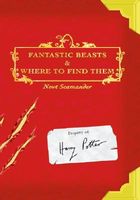
The overarching premise differs by book type: - The 2001 Fantastic Beasts and Where to Find Them is presented as a Hogwarts textbook written by Newt Scamander (with annotations by Harry Potter, Ron Weasley, and Hermione Granger). It serves as an A-to-Z guide to magical creatures, detailing their classifications (e.g., Beast, Being, Spirit), habitats, behaviors, Ministry of Magic regulations, and conservation status. It introduces the concept of magizoology—the study of magical beasts—and explains why many creatures remain hidden from Muggles. The book is light on narrative but rich in world-building, expanding the Harry Potter universe with creatures like the Niffler, Occamy, Demiguise, and Bowtruckle. - The screenplay trilogy (The Original Screenplay, The Crimes of Grindelwald, The Secrets of Dumbledore) forms a prequel narrative set decades before Harry Potter's time (1926–1932). It follows magizoologist Newt Scamander as he travels the world to study and protect magical creatures while becoming embroiled in the rise of dark wizard Gellert Grindelwald. Newt's adventures involve containing escaped beasts (causing chaos in New York in the first film/book), reuniting with old friends and foes, uncovering family secrets, and ultimately confronting Grindelwald's global threat to both wizarding and Muggle worlds. The core conflict pits Newt's love for creatures and pacifist ideals against Grindelwald's manipulative quest for wizard supremacy, with prophecies, alliances, and betrayals driving the plot. The series expands the Wizarding World geographically (New York, Paris, Rio, Berlin) and thematically (creature rights, prejudice, destiny vs. choice), bridging Harry Potter lore while standing as a separate prequel story.
Main Characters
The textbook features no narrative characters beyond Newt Scamander as the fictional author.
The screenplay trilogy centers on:
Newt Scamander: Eccentric British magizoologist—shy, brilliant, socially awkward, deeply compassionate toward creatures. He carries a magical suitcase full of beasts and becomes a reluctant hero against Grindelwald.
Tina Goldstein: American MACUSA (Magical Congress of the United States) Auror—determined, principled, and skilled. She starts as an antagonist but becomes Newt's ally and love interest.
Queenie Goldstein: Tina's sister—empathetic Legilimens with a bubbly personality and powerful mind-reading abilities.
Jacob Kowalski: No-Maj (Muggle) baker—kind, optimistic, and Newt's loyal friend; his outsider perspective adds humor and heart.
Gellert Grindelwald: Charismatic dark wizard—visionary, manipulative, and dangerous; seeks to dominate Muggles for the "greater good."
Credence Barebone (later Aurelius Dumbledore): Troubled young man with immense, unstable power; central to the prophecy and Grindelwald's plans.
Albus Dumbledore: Younger version—brilliant professor torn by his past with Grindelwald.
Theseus Scamander: Newt's confident Auror brother—brave, disciplined, and protective.
Other key figures include Leta Lestrange, Nagini, Yusuf Kama, and Bunty Broadacre.
Setting
The setting spans the global Wizarding World in the 1920s:
- The 2001 textbook covers worldwide habitats—forests, oceans, mountains, deserts—detailing where creatures live (e.g., dragons in remote ranges, yetis in the Himalayas).
- The screenplay trilogy shifts to 1926–1932, starting in New York City (with hidden magical speakeasies, a bustling wizarding community, and chaos from escaped beasts), then expanding to Paris (romantic streets, underground wizard markets), Rio de Janeiro, Berlin, and other locations. The era evokes the Roaring Twenties—Art Deco architecture, jazz-age fashion, early automobiles—mixed with magical elements (enchanted suitcases, hidden societies, spells).
The world feels expansive yet intimate, blending real historical vibes with wizarding secrecy and wonder.
Tone & Themes
The tone varies by book but remains enchanting, adventurous, and accessible: - The 2001 textbook is playful, informative, and whimsical—written in a mock-academic style with humor (e.g., Harry's notes mocking Ron's creature fears). It's light-hearted, educational, and full of wonder, ideal for young readers discovering the magical world. - The screenplay trilogy is more cinematic and dramatic: action-packed with thrilling escapes, magical battles, and emotional stakes, yet infused with warmth, humor, and heart. Newt's awkward charm and love for creatures provide levity amid darker themes (Grindelwald's rise, loss, betrayal). The tone balances excitement with poignancy, avoiding the full darkness of later Harry Potter books while maintaining Rowling's signature blend of magic, moral complexity, and hope. Overall, the series feels magical and optimistic—celebrating curiosity, empathy, and the beauty of the natural (and supernatural) world.
J.K. Rowling's Fantastic Beasts series—comprising the whimsical 2001 textbook and the three cinematic screenplay adaptations—expands the Wizarding World with wonder, heart, and high-stakes adventure. From the encyclopedic charm of Fantastic Beasts and Where to Find Them to the sweeping prequel saga of Newt Scamander's battles against Grindelwald in The Crimes of Grindelwald and The Secrets of Dumbledore, the books introduce unforgettable creatures, global settings, and complex characters while exploring themes of empathy, destiny, and the fight against tyranny. With its magical menagerie, emotional depth, and blend of whimsy and drama, the series bridges Harry Potter's legacy with a fresh era of magic—proving that even the smallest creatures can change everything. Whether discovering a Niffler for the first time or following Newt's suitcase through 1920s cities, these stories capture the joy of exploration and the power of kindness in a world worth saving. A magical must-read for Wizarding World fans craving more beasts, bravery, and enchantment.
FAQ
How many books are in the Fantastic Beasts series?
4 books
When will the next book in the series be released?
No new book is currently scheduled. The latest book, Fantastic Beasts: The Secrets of Dumbledore, was published in July 2022.
When was the most recent book released?
Fantastic Beasts: The Secrets of Dumbledore was published in July 2022.
What was the first book in the series?
The first book in the series is Fantastic Beasts and Where to Find Them, published in June 2001.
What genre is the Fantastic Beasts series?
The series primarily falls into the Fantasy genre.
What is the Fantastic Beasts series about?
The overarching premise differs by book type: - The 2001 Fantastic Beasts and Where to Find Them is presented as a Hogwarts textbook written by Newt Scamander (with annotations by Harry Potter, Ron Weasley, and Hermione Granger). It serves as an A-to-Z guide to magical creatures, detailing their classifications (e.g., Beast, Being, Spirit), habitats, behaviors, Ministry of Magic regulations, and conservation status. It introduces the concept of magizoology—the study of magical beasts—and explains why many creatures remain hidden from Muggles. The book is light on narrative but rich in world-building, expanding the Harry Potter universe with creatures like the Niffler, Occamy, Demiguise, and Bowtruckle. - The screenplay trilogy (The Original Screenplay, The Crimes of Grindelwald, The Secrets of Dumbledore) forms a prequel narrative set decades before Harry Potter's time (1926–1932). It follows magizoologist Newt Scamander as he travels the world to study and protect magical creatures while becoming embroiled in the rise of dark wizard Gellert Grindelwald. Newt's adventures involve containing escaped beasts (causing chaos in New York in the first film/book), reuniting with old friends and foes, uncovering family secrets, and ultimately confronting Grindelwald's global threat to both wizarding and Muggle worlds. The core conflict pits Newt's love for creatures and pacifist ideals against Grindelwald's manipulative quest for wizard supremacy, with prophecies, alliances, and betrayals driving the plot. The series expands the Wizarding World geographically (New York, Paris, Rio, Berlin) and thematically (creature rights, prejudice, destiny vs. choice), bridging Harry Potter lore while standing as a separate prequel story.
Is the Fantastic Beasts series finished?
The series does not currently have a new book scheduled.
More Series Like Fantastic Beasts
If you enjoyed Fantastic Beasts, here are more fantasy series to explore.