Genre guide

Contemporary Fantasy Books

Browse contemporary fantasy books, authors, and series on FictionDB. Find popular series in order, reader-favorite authors, and related fiction categories.

Top Contemporary Fantasy Series

Start with popular contemporary fantasy series, especially if you want connected books, recurring characters, or a clear reading order.

Popular Contemporary Fantasy Books

Explore popular contemporary fantasy books from FictionDB’s genre data.
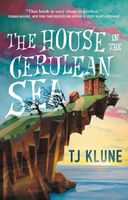
About Contemporary Fantasy

Contemporary Fantasy (also called modern fantasy) is a subgenre of fantasy fiction set in the present day (or the contemporary era of the author) in a version of our real world (often called "consensus reality"). Magical, supernatural, or fantastical elements exist -- such as magic systems, mythical creatures, hidden realms, witches, fae, gods, or paranormal phenomena -- but they are typically secret, hidden, or not widely known to the general public. The magic often operates in the shadows, leaks in from parallel worlds, or is dismissed as myth by most people. This contrasts with high/epic fantasy (set in fully invented secondary worlds like Middle-earth) or historical fantasy (set in past eras). The "contemporary" part anchors the story in modern life -- smartphones, cities, cars, social media, current politics/culture -- while injecting wonder, danger, or whimsy through the fantastical.

Key Characteristics:
- Setting -- Modern-day Earth (our world, present time). Stories can take place in cities, suburbs, small towns, rural areas, schools, workplaces -- anywhere familiar and current.
- Magic/Supernatural -- Hidden or low-key; the protagonist often discovers it exists (or already knows and keeps it secret). Magic intrudes on everyday life rather than being the norm.
- Protagonists -- Usually ordinary people (teens, adults, detectives, students) who stumble into or navigate the supernatural. They deal with relatable modern issues alongside the fantastic.
- Themes -- Blending the mundane with the magical to explore identity, belonging, wonder vs. skepticism, secrecy, power dynamics, societal issues through a fantastical lens, self-discovery, or the clash between old myths and modern life.
- Tone -- Varies widely: wondrous and hopeful (e.g., discovering hidden magic), adventurous, mysterious, dark/gritty, cozy/whimsical, or humorous. Often emphasizes joy/wonder over pure horror (though it can overlap).
- Pacing and Style -- Character-driven with strong worldbuilding in how magic hides in plain sight; can include action, mystery, romance, coming-of-age, or slice-of-life elements.

Note on Urban Fantasy -- It's frequently used interchangeably with contemporary fantasy in marketing/publishing, but strictly speaking, urban fantasy is a subset focused on dense urban environments with a edgier, often detective/noir tone (think hidden supernatural underworlds in big cities). Contemporary fantasy is the wider category, encompassing rural, suburban, or small-town settings too.

Contemporary fantasy remains hugely popular, especially in YA and adult crossover. It thrives on popular social sites, often blending with romance (romantasy hybrids), cozy elements, or diverse voices exploring modern issues through magic. Trends include more grounded, character-focused stories with hidden magic systems, cozy/low-stakes wonder, and cross-genre mixes (e.g., contemporary fantasy + horror or mystery). The romantasy boom has pulled in some contemporary elements, but pure contemporary fantasy holds strong for readers wanting magic in relatable, everyday worlds.

If you're writing or reading in this space, focus on grounding the fantastical in authentic modern details -- how magic hides in plain sight, how ordinary people react to the extraordinary, and blending wonder with real-world stakes. That's the heart of what makes contemporary fantasy so immersive and addictive.