Genre guide

Horror Books

Browse horror books, authors, and series on FictionDB. Find popular series in order, reader-favorite authors, and related fiction categories.

Top Horror Series

Start with popular horror series, especially if you want connected books, recurring characters, or a clear reading order.
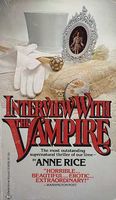

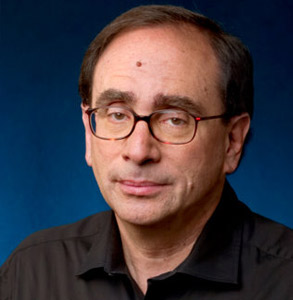
Popular Horror Authors

Browse authors frequently associated with horror books and series.
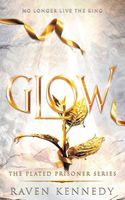
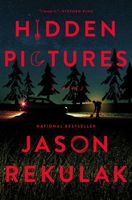
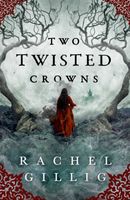
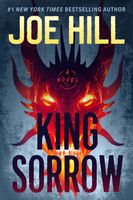
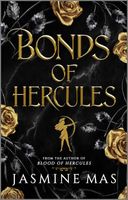
Popular Horror Books

Explore popular horror books from FictionDB’s genre data.
About Horror

Horror fiction is a genre of speculative literature designed to evoke fear, dread, revulsion, terror, or disgust in the reader. It deliberately provokes strong negative emotions by confronting characters (and readers) with the threatening, the unknown, the grotesque, the supernatural, or the violation of deeply held taboos and sense of safety. At its core, horror fiction explores what scares us most -- death, the body's fragility, loss of control, isolation, the breakdown of reality, moral corruption, or the intrusion of something malevolent into everyday life. Unlike thrillers (which build suspense around external danger) or mysteries (which resolve puzzles), horror often prioritizes atmosphere, psychological impact, and emotional unease over plot resolution. The goal is not necessarily to explain or defeat the threat -- sometimes the horror wins, or lingers unresolved. Horror is highly diverse and overlaps with many genres.

Key Characteristics:
- Primary emotion -- Fear in its many forms: visceral (gore/body horror), psychological (madness, paranoia), existential (cosmic insignificance), supernatural (ghosts, demons), or social (prejudice, oppression manifesting as horror).
- Threat sources -- Supernatural (ghosts, vampires, demons, curses), monstrous (creatures, mutants), psychological (serial killers, madness), cosmic (Lovecraftian entities beyond comprehension), technological (AI gone wrong), or everyday turned sinister (haunted houses, cursed objects).
- Tone & atmosphere -- Builds dread through isolation, shadows, decay, the uncanny (familiar made strange), foreshadowing, and slow-burn tension. Can be subtle and creeping or graphic and shocking.
- Protagonists -- Ordinary people thrust into extraordinary terror; often vulnerable, skeptical at first, then overwhelmed. Survival is not guaranteed; many horror stories end in tragedy, madness, or ambiguous defeat.
- Themes -- Mortality, the fragility of sanity/reality, repression of desires/fears, societal taboos (sex, violence, the body), powerlessness, the return of the repressed (past sins, buried traumas), humanity's dark side.
- Ending style -- Range from triumphant survival -> pyrrhic victory -> total despair -> ironic twist -> lingering ambiguity. Happy endings are rare; catharsis often comes from facing the horror.

Main Subgenres:
- Supernatural Horror -- Ghosts, demons, curses, possession.
- Cosmic Horror / Lovecraftian -- Incomprehensible entities, insignificance of humanity, madness from forbidden knowledge.
- Psychological Horror -- Mind games, unreliable narrators, descent into madness.
- Body Horror -- Grotesque transformation, disease, mutilation of the flesh.
- Slasher / Splatterpunk -- Graphic violence, gore, often teens/young adults stalked by killers.
- Gothic Horror -- Atmospheric, decaying settings, romanticized terror.
- Folk Horror -- Rural isolation, ancient rituals, pagan threats.
- Southern Gothic Horror -- Decayed American South, grotesque characters, moral rot.
- Modern / Domestic Horror -- Everyday settings turned nightmarish (haunted apartments, cursed apps).

Horror fiction is the genre that stares into the dark -- whether it's a monster under the bed, the void staring back, or the monster inside us -- and makes you feel the cold grip of fear. It thrives on what we dread most: losing control, facing the incomprehensible, or confronting our own capacity for evil. If a story leaves you checking the locks, questioning reality, or unable to sleep because something feels wrong -- it's horror.