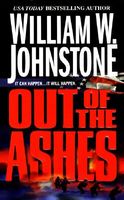
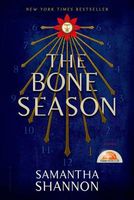
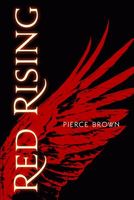
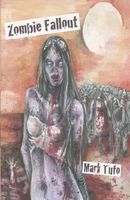
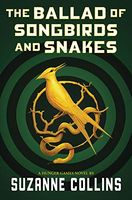
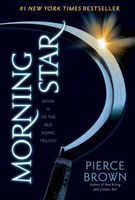
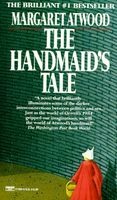
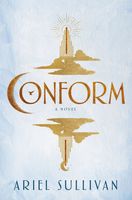
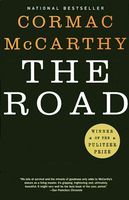
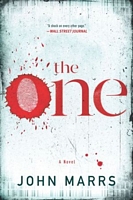
Dystopian fiction is a subgenre of speculative fiction (usually under science fiction or sometimes overlapping with fantasy/horror) that depicts an imagined society or world where life is oppressive, dehumanizing, miserable, or nightmarish -- often presented as a cautionary tale about where current trends in society, technology, politics, or environment could lead. The word "dystopia" literally means "bad place" (from Greek "dys-" = bad + "topos" = place), the opposite of utopia ("no place" or ideal perfect society).
Key Characteristics:
- Oppressive control -- A totalitarian government, corporation, religious regime, or bureaucratic system maintains power through surveillance, propaganda, censorship, thought police, or fear.
- Illusion of perfection -- The society is often sold as "ideal" or "for the greater good," but it's built on lies, inequality, loss of freedom, or dehumanization.
- Dehumanization & loss of individuality -- Citizens live in fear, conformity is enforced, independent thought is punished, and personal freedoms (speech, love, creativity) are restricted or erased.
- Common oppressive forces -- Constant surveillance, propaganda, class divides, environmental ruin, endless war, technological overreach, reproductive control, or resource scarcity.
- Protagonist's struggle -- A central character (often an ordinary person or rebel) awakens to the flaws, questions the system, and fights back -- usually at great personal cost.
- Cautionary/warning tone -- The story highlights real-world dangers (authoritarianism, consumerism, tech abuse, inequality, climate collapse) by exaggerating them into a grim future.
Common Themes:
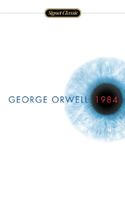
- Governmental/totalitarian (e.g., police state, Big Brother)
- Technological (AI control, genetic engineering gone wrong)
- Environmental/post-apocalyptic (climate disaster, resource wars)
- Corporate/consumerist (mega-corporations rule)
- Religious/theocratic (extreme dogma enforces rules)
Dystopian fiction depicts grim, oppressive future (or alternate) societies ruled by control, fear, and dehumanization, serving as a warning about the dangers of unchecked power, technology, inequality, or environmental neglect. It's one of the most popular genres today -- especially YA dystopias in the 2010s boom -- because it mirrors real anxieties about politics, climate, surveillance, and social justice.