The Whistler Books in Order
About The Whistler series
Series Premise
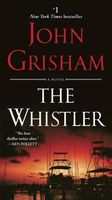
The central premise revolves around Lacy Stoltz, a seasoned but low-profile investigator who works for the Florida Board on Judicial Conduct (a real-life type of agency that oversees state judges). In The Whistler, Lacy receives a tip from a mysterious whistleblower claiming that a circuit court judge is on the take—receiving huge cash bribes in exchange for favorable rulings that benefit an organized crime syndicate tied to a Native American casino. What begins as a routine ethics probe quickly escalates into a life-threatening conspiracy involving murder, money laundering, and corruption at the highest levels of the judiciary. In The Judge's List, Lacy is approached by another anonymous source who claims a respected Florida judge is responsible for a string of unsolved murders spanning years. The twist: the killer is using his position on the bench to select and eliminate victims with impunity, and no one suspects a judge. Lacy must navigate secrecy, danger, and institutional resistance to expose a predator hiding behind the robe. Both books explore the same core idea: the justice system’s blind spots—especially when the corrupt individual is part of the judiciary itself—and the courage required to challenge that power. Lacy’s investigations are methodical and evidence-driven, but they inevitably place her (and those close to her) in mortal danger.
Main Characters
Lacy Stoltz: The central protagonist — mid-40s, experienced investigator for the Florida Board on Judicial Conduct. Intelligent, methodical, quietly courageous, and deeply committed to her job. Single (in the early books), later in a relationship. She is not fearless—she feels fear and doubt—but she refuses to back down.
- Hugo Hatch (early books): Lacy’s partner and close friend — African American, former football player, warm, loyal, and physically imposing. His fate in The Whistler profoundly affects Lacy.
- Michael Geismar: Lacy’s boss at the Board — steady, principled, and supportive.
- Supporting recurring characters: Various law enforcement officers, whistleblowers, victims’ families, and antagonists (corrupt judges, mob figures, hired killers).
In The Judge's List, Lacy works with a new team, including a young investigator named Darren and a retired judge who becomes a key ally.
Setting
The setting is contemporary Florida, with a strong emphasis on its dual nature: beautiful coastlines and tourist havens contrasted with corruption, poverty, and hidden criminal networks. Most of the action takes place in:
- Northern Florida — the area around the fictional town of Cullman and the real-life region near the Georgia border, where much of the casino-related plot unfolds.
- Coastal and central Florida — including Tallahassee (state capital, where the Board on Judicial Conduct is based), Pensacola, and various small towns and rural counties.
- The Tappacola Indian Reservation — a fictional Native American tribe and casino central to The Whistler’s conspiracy.
The Florida landscape is vivid and functional: humid swamps, pine forests, back roads, isolated trailer parks, opulent waterfront estates, and the sterile offices of state government. The setting reinforces the theme of hidden corruption beneath a sunny, tourist-friendly surface. The time period is present-day (2010s–2020s), incorporating modern technology (cell phones, surveillance, databases) and contemporary issues (tribal gaming rights, judicial ethics, serial predation).
Tone & Themes
The tone is serious, suspenseful, and quietly outraged—classic Grisham legal thriller with a strong moral backbone. The books are tightly plotted and fast-moving, with short chapters, alternating points of view, and a steady build of tension. Violence is present but restrained and purposeful: murders are described factually rather than graphically, and the horror lies more in the abuse of power than in gore. There is little humor; the mood is somber and driven by a sense of injustice. Lacy’s narration (and the third-person sections) conveys intelligence, determination, and controlled anger. The series is adult-oriented, with mature themes (serial murder, judicial corruption, personal risk), but it avoids sensationalism or graphic sex. The overall feeling is one of righteous pursuit: evil exists in high places, but dedicated people can expose and defeat it. The tone is ultimately hopeful—justice is slow and costly, but possible.
John Grisham’s The Whistler duology is a compelling, morally charged pair of thrillers that shift the author’s focus from courtroom battles to the hidden corruption within the judiciary itself. Through Lacy Stoltz—a quiet, determined investigator who refuses to look away from evil—the books expose the terrifying reality of a judge who murders and a system that protects its own. With tight plotting, authentic procedural detail, and a deep sense of outrage at institutional failure, the series delivers the classic Grisham experience: intelligent suspense, high stakes, and the satisfying pursuit of justice against overwhelming odds. Though shorter than his multi-book series, the two novels form a powerful, self-contained story arc about courage, truth, and the long reach of evil. They are essential reading for Grisham fans and anyone who believes that no one—not even a judge—should be above the law.
FAQ
How many books are in The Whistler series?
3 books total: 2 main + 1 extra story
When will the next book in the series be released?
No new book is currently scheduled. The latest book, The Judge's List, was published in October 2021.
When was the most recent book released?
The Judge's List was published in October 2021.
What was the first book in the series?
The first book in the series is Witness to a Trial, published in September 2016.
What genre is The Whistler series?
The series primarily falls into the Thriller genre.
What is The Whistler series about?
The central premise revolves around Lacy Stoltz, a seasoned but low-profile investigator who works for the Florida Board on Judicial Conduct (a real-life type of agency that oversees state judges). In The Whistler, Lacy receives a tip from a mysterious whistleblower claiming that a circuit court judge is on the take—receiving huge cash bribes in exchange for favorable rulings that benefit an organized crime syndicate tied to a Native American casino. What begins as a routine ethics probe quickly escalates into a life-threatening conspiracy involving murder, money laundering, and corruption at the highest levels of the judiciary. In The Judge's List, Lacy is approached by another anonymous source who claims a respected Florida judge is responsible for a string of unsolved murders spanning years. The twist: the killer is using his position on the bench to select and eliminate victims with impunity, and no one suspects a judge. Lacy must navigate secrecy, danger, and institutional resistance to expose a predator hiding behind the robe. Both books explore the same core idea: the justice system’s blind spots—especially when the corrupt individual is part of the judiciary itself—and the courage required to challenge that power. Lacy’s investigations are methodical and evidence-driven, but they inevitably place her (and those close to her) in mortal danger.
Is The Whistler series finished?
The series does not currently have a new book scheduled.
More Series Like The Whistler
If you enjoyed The Whistler, here are more thriller series to explore.