Ford County Books in Order
About the Ford County series
Series Premise
The core premise centers on the lives of ordinary and flawed individuals in a tight-knit, rural Southern county where the legal system often intersects with personal crises, historical prejudices, and economic hardships. Stories revolve around courtroom battles, inheritance disputes, criminal acts, and everyday struggles, revealing how law and morality collide in a place shaped by racial tensions, poverty, and strong community ties. Grisham portrays Ford County as a microcosm of the American South, where justice is imperfect, secrets linger, and people confront difficult choices amid limited options.
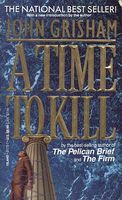
The series can be read in any particular order without losing essential understanding, as the short stories in Ford County: Stories are standalone with no direct plot connections to the novels or shared continuing characters. They function independently, offering self-contained narratives. However, the two novels form a clearer linked arc: A Time to Kill introduces key elements and characters, while Sycamore Row acts as a direct sequel, revisiting the same protagonist and referencing past events in the community. For the most satisfying experience—especially to appreciate character growth, recurring locations, and thematic echoes—read A Time to Kill first, followed by Sycamore Row. The short stories can fit anywhere: before the novels for early world-building, between them for variety, or after for additional flavor of the setting.
Main Characters
Characters vary across the entries, reflecting the series' mix of novel-length arcs and anthology-style shorts. The standout recurring figure is Jake Brigance, a dedicated yet imperfect small-town defense attorney—intelligent, principled, and often overwhelmed—who anchors both novels. He embodies the everyman lawyer taking on tough cases that expose deeper societal rifts, supported by family, local allies like colorful attorney Lucien Wilbanks, and friends such as the rough-around-the-edges Harry Rex Vonner. The short stories feature a broader, eclectic cast: desperate families, scheming opportunists, grieving relatives, disillusioned professionals, death row inmates, gamblers, and everyday folks entangled in bizarre or heartbreaking situations. Common threads include lawyers (from competent to hapless), fractured families, individuals seeking redemption or escape, and community members shaped by poverty, prejudice, or loyalty. Grisham excels at crafting relatable, multidimensional people—flawed, resilient, and products of their environment—rather than stereotypes.
Setting
The setting is vividly realized as Ford County, Mississippi, primarily in the late 20th century (1980s–1990s for the main novels, with similar eras in the stories). Clanton serves as the county seat, featuring a classic Southern courthouse square, local diners, churches, cotton fields, dusty backroads, and humid summer heat. It evokes the rural Deep South with sensory details: creaking courtroom floors, gossip spreading rapidly, economic struggles in working-class communities, and lingering racial divides. The environment feels authentic and immersive, a place where history weighs heavily—old family feuds, land ownership battles, and past injustices influence present-day conflicts. This consistent backdrop unites the works, making Ford County feel like a living, evolving community rather than a mere backdrop.
Tone & Themes
The tone mixes Grisham's trademark page-turning suspense and legal intrigue with a more grounded, reflective, and often bittersweet quality. It features dry Southern humor—wry observations about small-town quirks, eccentric behaviors, and human absurdities—alongside moments of genuine tragedy, pathos, and quiet resilience. The narratives avoid sensationalism, favoring realistic consequences and moral ambiguity over clear-cut victories. The short stories lean toward poignant comedy, irony, and human eccentricity, sometimes dark or melancholic, while the novels deliver higher-stakes drama with intense courtroom tension and social commentary. Overall, the tone is entertaining yet thoughtful, affectionate toward its flawed characters and setting, critical of societal issues like prejudice and greed, but never overly cynical or hopeless.
The Ford County series highlights John Grisham at his most personal and versatile, shifting from blockbuster legal thrillers to a richer, more intimate portrayal of Southern life through linked yet flexible narratives. It combines gripping legal drama, sharp humor, emotional depth, and incisive social observation, appealing to readers who enjoy both suspense and character-driven stories. Whether through the racially charged trials of the novels or the quirky, poignant tales in the short stories, Grisham vividly captures the contradictions, resilience, and humanity of a specific place and its inhabitants. The result is a compelling, cohesive body of work that feels authentic to its roots, rewarding flexible reading while leaving a lasting sense of a world where justice is contested, flaws are universal, and human stories—grand or quiet—persist in the shadow of the Clanton courthouse.
FAQ
How many books are in the Ford County series?
3 books
When will the next book in the series be released?
No new book is currently scheduled. The latest book, Sycamore Row, was published in September 2013.
When was the most recent book released?
Sycamore Row was published in September 2013.
What was the first book in the series?
The first book in the series is A Time to Kill, published in January 1989.
What genre is the Ford County series?
The series primarily falls into the Legal Thriller genre.
What is the Ford County series about?
The core premise centers on the lives of ordinary and flawed individuals in a tight-knit, rural Southern county where the legal system often intersects with personal crises, historical prejudices, and economic hardships. Stories revolve around courtroom battles, inheritance disputes, criminal acts, and everyday struggles, revealing how law and morality collide in a place shaped by racial tensions, poverty, and strong community ties. Grisham portrays Ford County as a microcosm of the American South, where justice is imperfect, secrets linger, and people confront difficult choices amid limited options. The series can be read in any particular order without losing essential understanding, as the short stories in Ford County: Stories are standalone with no direct plot connections to the novels or shared continuing characters. They function independently, offering self-contained narratives. However, the two novels form a clearer linked arc: A Time to Kill introduces key elements and characters, while Sycamore Row acts as a direct sequel, revisiting the same protagonist and referencing past events in the community. For the most satisfying experience—especially to appreciate character growth, recurring locations, and thematic echoes—read A Time to Kill first, followed by Sycamore Row. The short stories can fit anywhere: before the novels for early world-building, between them for variety, or after for additional flavor of the setting.
Is the Ford County series finished?
The series does not currently have a new book scheduled.
More Series Like Ford County
If you enjoyed Ford County, here are more legal thriller series to explore.