The Rose Years Books in Order
#
Title
Date
How to Read The Rose Years series
Best Read in Order
· Start with Book 1
Standalone stories, but characters and relationships develop across the series.
The series is best read in its published chronological order. The books advance steadily through Rose’s childhood and adolescence, with each installment building on the previous ones as the family improves their farm, faces new seasons and setbacks, and as Rose herself gains maturity and broader horizons. While individual volumes focus on specific seasons, farm projects, school experiences, or personal milestones that offer satisfying arcs, the emotional continuity—Rose’s deepening understanding of her parents, her budding ambitions, and the family’s shared history—gains richness when experienced sequentially. The narrative flows like the changing seasons on the farm, making linear reading the most rewarding path, though the warm, self-contained episodes allow some flexibility for younger readers dipping in and out.
About The Rose Years series
Series Premise
At its core, the premise follows young Rose as her family leaves the South Dakota prairie behind and settles on a hard-won farm in the Ozark Mountains of Mansfield, Missouri. The stories trace her daily life amid the challenges and quiet joys of establishing Rocky Ridge Farm, where the family battles rocky soil, unpredictable weather, financial hardship, and the demanding rhythms of rural self-sufficiency. As Rose matures from a curious seven-year-old into a bright, opinionated teenager and young woman, the narrative expands to include her growing awareness of the wider world, her dreams of education and adventure beyond the farm, her first experiences with independence, and her evolving relationship with her parents. The saga captures the turn of the century and the gradual shift from pioneer isolation to the influences of modern progress—telephones, automobiles, and changing social expectations—while emphasizing the family’s resilience and the personal growth that comes from hard work, curiosity, and family bonds.
Main Characters
Rose Wilder stands as the vibrant central protagonist—a bright-eyed, inquisitive, and strong-willed girl whose lively personality and sharp observations drive the stories. She grows from an energetic child helping with chores and exploring the woods to a thoughtful adolescent questioning her future and testing her independence. Her parents, Laura Ingalls Wilder and Almanzo Wilder, recur as steadfast, loving yet realistically imperfect figures; Laura brings warmth, storytelling flair, and quiet strength honed from her own pioneer childhood, while Almanzo contributes practical farming wisdom, quiet humor, and the lingering effects of past hardships. Supporting and recurring characters include extended family members who visit or influence life on the farm, helpful neighbors who share tools or labor during crises, school friends and teachers who broaden Rose’s world, and occasional townsfolk whose interactions highlight community ties or social changes. These figures appear with natural frequency, enriching the sense of a living, interconnected rural world without overshadowing the tight-knit Wilder family dynamic.
Setting
The primary setting is Rocky Ridge Farm near Mansfield, Missouri, in the beautiful yet rugged Ozark hills. To the Wilders, this new homestead represents hope after years of prairie trials—a place of rocky soil that demands creativity and labor to coax orchards, gardens, livestock, and a proper house into being. The landscape comes alive with detailed depictions of dense woods, clear springs, blooming apple trees (giving one book its title), winding dirt roads, and the simple wooden farmhouse that gradually improves with each hard-earned addition. The nearby small town of Mansfield offers occasional glimpses of community—schoolhouses, general stores, church gatherings, and early signs of modernization—providing contrast to the family’s isolated farm life. Seasons play a central role: harsh winters test endurance, spring planting brings renewal, summer harvests demand long days, and autumn orchards yield both bounty and reflection. This grounded, intimate rural setting feels both idyllic and authentic, mirroring the real Wilder family’s efforts to build a stable home while evoking the broader shift from 19th-century frontier to 20th-century America.
Tone & Themes
The tone is gentle, optimistic, and warmly nostalgic, echoing the straightforward, observational style of Laura Ingalls Wilder’s original Little House books while growing slightly more reflective as Rose ages. MacBride’s prose is clear and evocative, rich with sensory details of farm life— the scent of apple blossoms, the ache of blistered hands after plowing, the thrill of a first train ride—without overwhelming younger audiences. Moments of hardship, disappointment, and loss are handled with honesty and tenderness rather than melodrama. Themes center on the enduring pioneer virtues of perseverance, self-reliance, and ingenuity in the face of adversity; the deep satisfactions and quiet struggles of rural family life; the tension between staying rooted to the land and yearning for broader opportunities; the value of education, curiosity, and personal independence; and the gentle passage from childhood dependence to youthful self-discovery. Subtle threads of American individualism and the transformative power of the early 20th century emerge naturally, encouraging readers to appreciate both tradition and progress.
In the end, the Rose Years series glows with the same pioneering heart that made the original Little House books timeless, yet it gently carries the story forward into a new century and a new generation. Roger Lea MacBride honors his adopted grandmother’s legacy by painting an affectionate, honest portrait of a girl learning that freedom and security are both earned through sweat, love, and courage. For readers who grew up with Laura’s prairie adventures, these books offer a satisfying bridge to the next chapter—where the little girl once carried across the plains now dreams bigger dreams amid Missouri apple trees. The saga reminds us that the pioneer spirit endures not just in grand westward journeys but in the daily labor of building a home, nurturing curiosity, and daring to imagine a life shaped by one’s own hands and heart. In Rose’s growing footsteps, young readers discover that every generation carries the flame forward, turning rocky soil into orchards and simple days into lasting legacies of resilience and hope.
FAQ
How many books are in The Rose Years series?
8 books
When will the next book in the series be released?
No new book is currently scheduled. The latest book, Bachelor Girl, was published in August 1999.
When was the most recent book released?
Bachelor Girl was published in August 1999.
What was the first book in the series?
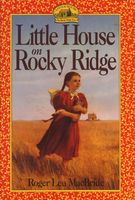
The first book in the series is Little House on Rocky Ridge, published in May 1993.
What genre is The Rose Years series?
The series primarily falls into the Historical genre.
Do you need to read The Rose Years series in order?
It’s best to read the series in order. Each book has its own story, but ongoing character arcs and relationships develop across the series.
What is The Rose Years series about?
At its core, the premise follows young Rose as her family leaves the South Dakota prairie behind and settles on a hard-won farm in the Ozark Mountains of Mansfield, Missouri. The stories trace her daily life amid the challenges and quiet joys of establishing Rocky Ridge Farm, where the family battles rocky soil, unpredictable weather, financial hardship, and the demanding rhythms of rural self-sufficiency. As Rose matures from a curious seven-year-old into a bright, opinionated teenager and young woman, the narrative expands to include her growing awareness of the wider world, her dreams of education and adventure beyond the farm, her first experiences with independence, and her evolving relationship with her parents. The saga captures the turn of the century and the gradual shift from pioneer isolation to the influences of modern progress—telephones, automobiles, and changing social expectations—while emphasizing the family’s resilience and the personal growth that comes from hard work, curiosity, and family bonds.
Is The Rose Years series finished?
The series does not currently have a new book scheduled.
More Series Like The Rose Years
If you enjoyed The Rose Years, here are more historical series to explore.