
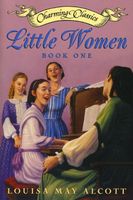

Little Women Books in Order
#
Title
Date
How to Read the Little Women series
Best Read in Order
· Start with Book 1
Standalone stories, but characters and relationships develop across the series.
The series is best read in the traditional publication and chronological order. While the first book stands powerfully on its own and introduces the core characters and setting with satisfying resolution, subsequent volumes build meaningfully on the family’s evolving lives. Relationships deepen, children are born, losses are mourned, and earlier choices reverberate into the future. Reading sequentially allows the fullest emotional arc—from youthful struggles to mature reflections—and preserves the natural progression of time, character development, and family expansion. The books can be sampled individually, but the cumulative power of watching the March sisters grow, marry, and raise their own children is richest when experienced in sequence.
About the Little Women series
Series Premise
The core premise centers on the March family—four sisters raised by their loving yet impoverished mother while their father serves as a chaplain in the Civil War. The girls—practical Meg, spirited Jo, gentle Beth, and artistic Amy—navigate the challenges of girlhood and young womanhood in a society that expects them to become dutiful wives and homemakers. Their stories explore personal dreams versus societal expectations, the bonds of sisterhood, moral growth through hardship, the value of kindness and self-sacrifice, and the quiet heroism found in everyday life. Later volumes extend the narrative to follow the sisters into adulthood, marriage, parenthood, and the next generation, showing how early character traits shape lifelong paths while new joys and sorrows test their enduring closeness.
Main Characters
At the heart are the four March sisters, each vividly distinct yet bound by deep affection. Meg March, the eldest, is practical, pretty, and domestic, yearning for comfort and family life while learning to balance love with responsibility. Jo March, the spirited, independent writer, is fiercely ambitious, temperamental, and fiercely loyal, her journey toward authorship and self-acceptance forming one of literature’s most beloved arcs. Beth March, gentle and musically gifted, embodies quiet goodness and self-sacrifice, her sensitivity and fragility touching every heart. Amy March, the youngest, artistic and initially vain, matures into grace, refinement, and generosity through travel and self-reflection. Their mother, Marmee (Mrs. March), is the moral and emotional anchor—strong, wise, loving, and tirelessly supportive. Their absent father, Mr. March, returns as a gentle, scholarly presence. Laurie (Theodore Laurence), the wealthy, charming neighbor boy, becomes a beloved honorary brother and romantic interest for some. Supporting and recurring figures include Aunt March (gruff but ultimately kind), Professor Bhaer (Jo’s eventual husband, intellectual and kind), John Brooke (Meg’s steady husband), and later the next generation of March children who carry the family spirit forward.
Setting
The primary setting is a modest home in Concord, Massachusetts, during and after the Civil War era—a cozy, book-filled house called Orchard House surrounded by gardens, woods, and neighboring estates. The March family’s parlor, attic, garden, and nearby homes provide intimate stages for everyday dramas, while occasional travels to Europe, New York, or other locales add contrast. The period atmosphere—Civil War anxieties, post-war recovery, genteel poverty, literary circles, and emerging opportunities for women—grounds the stories in a specific yet timeless American moment.
Tone & Themes
The tone is warm, earnest, and gently moral, blending humor, tenderness, and occasional pathos without descending into sentimentality. Alcott’s prose is lively and accessible, rich with dialogue, domestic detail, and affectionate observation of character quirks. It’s uplifting yet realistic—hardships are met with courage, flaws are acknowledged, and virtue is rewarded not through magic but through effort and love. Themes center on the strength of family ties, the pursuit of personal integrity amid social constraints, the dignity of work (especially for women), forgiveness and personal growth, the balance between independence and duty, and the enduring power of kindness, creativity, and mutual support. The books quietly champion women’s aspirations while honoring traditional roles, reflecting Alcott’s own progressive yet pragmatic outlook.
In the end, the Little Women series endures as a luminous celebration of sisterhood, family, and the quiet courage it takes to grow into oneself. Louisa May Alcott gifts readers a household so vivid it feels like home—full of laughter, tears, squabbles, and unbreakable love. The books wrap around the heart like a well-worn quilt, reminding us that the greatest adventures often unfold in parlors and gardens, that character is forged in small daily choices, and that the truest wealth lies in the people who walk beside us through every season of life.
FAQ
How many books are in the Little Women series?
5 books
When will the next book in the series be released?
No new book is currently scheduled. The latest book, Jo's Boys, and How They Turned Out, was published in January 1886.
When was the most recent book released?
Jo's Boys, and How They Turned Out was published in January 1886.
What was the first book in the series?
The first book in the series is Little Women, published in January 1868.
What genre is the Little Women series?
The series primarily falls into the Historical genre.
Do you need to read the Little Women series in order?
It’s best to read the series in order. Each book has its own story, but ongoing character arcs and relationships develop across the series.
What is the Little Women series about?
The core premise centers on the March family—four sisters raised by their loving yet impoverished mother while their father serves as a chaplain in the Civil War. The girls—practical Meg, spirited Jo, gentle Beth, and artistic Amy—navigate the challenges of girlhood and young womanhood in a society that expects them to become dutiful wives and homemakers. Their stories explore personal dreams versus societal expectations, the bonds of sisterhood, moral growth through hardship, the value of kindness and self-sacrifice, and the quiet heroism found in everyday life. Later volumes extend the narrative to follow the sisters into adulthood, marriage, parenthood, and the next generation, showing how early character traits shape lifelong paths while new joys and sorrows test their enduring closeness.
Is the Little Women series finished?
The series does not currently have a new book scheduled.
More Series Like Little Women
If you enjoyed Little Women, here are more historical series to explore.