The Laura Years (Little House on the Prairie Originals) Books in Order
#
Title
Date
How to Read The Laura Years (Little House on the Prairie Originals) series
Best Read in Order
· Start with Book 1
Standalone stories, but characters and relationships develop across the series.
The series is best read in its published chronological order. The books follow the Ingalls family’s journey through time and geography in a clear, linear progression that mirrors the author’s own life. Each installment advances the family’s age, experiences, and circumstances, with Laura growing from a very young child into a young woman. While individual books contain self-contained episodes of pioneer life that can be enjoyed on their own, the emotional continuity—Laura’s maturing perspective, the family’s evolving challenges, and the gradual shift from wilderness to emerging settlements—builds powerfully when read sequentially. The narrative flows like the seasons on the prairie, making chronological reading the most immersive and rewarding experience.
About The Laura Years (Little House on the Prairie Originals) series
Series Premise
The core premise follows the Ingalls family—Charles (Pa), Caroline (Ma), and their daughters—as they leave the settled life of the Big Woods in Wisconsin and head westward in search of land, opportunity, and independence. Each story traces their journey across the American frontier, from the dense forests of Wisconsin to the open prairies of Kansas, the shores of Plum Creek in Minnesota, the banks of Silver Lake in Dakota Territory, and eventually the town of De Smet. The family builds homes from sod or logs, plants crops, tends livestock, faces blizzards, grasshopper plagues, illness, and financial uncertainty, all while maintaining strong family bonds and finding beauty in the natural world. The narrative captures both the romance and the harsh reality of homesteading, showing how the Ingalls adapt, endure, and create a life of dignity and hope on the edge of civilization.
Main Characters
The central characters are the members of the Ingalls family. Laura Ingalls, the narrator and protagonist, is a bright, curious, and spirited girl whose wide-eyed observations and growing understanding of the world drive the stories. She is imaginative, sometimes rebellious, and deeply attached to her family. Charles Ingalls (Pa) is the optimistic, fiddle-playing patriarch whose love of freedom and adventure leads the family westward; he is resourceful, musical, and deeply devoted to his wife and daughters. Caroline Ingalls (Ma) provides quiet strength, practicality, and moral guidance, maintaining order and grace even in the most difficult circumstances. The sisters include Mary, the oldest, who is responsible, gentle, and later blinded by scarlet fever; Carrie, the delicate middle sister; and Grace, the youngest. Supporting and recurring characters enrich the tapestry: neighbors and settlers who help during harvests or hardships; Native American figures who appear with a mix of curiosity and tension reflecting the era’s complex relations; shopkeepers, teachers, and townfolk as settlements grow; and occasional relatives or travelers who cross paths with the family. Animals also play important roles, particularly the loyal dog Jack and various horses and livestock that share the family’s struggles.
Setting
The setting is the vast and ever-changing American frontier during the westward expansion of the 1870s and 1880s. It begins in the wooded “Big Woods†of Wisconsin, moves to the rolling, grassy prairies of Indian Territory in Kansas, continues to the fertile but flood-prone land of Plum Creek in Minnesota, and settles in the windswept Dakota Territory near the future town of De Smet. The landscape itself is a central character—wide-open skies, endless grasslands, rushing creeks, harsh winters with blizzards that bury houses, golden summers filled with wildflowers, and the constant presence of wildlife such as wolves, deer, and prairie chickens. Homes evolve from log cabins and dugout sod houses to frame houses as the family prospers. Towns grow from nothing into bustling centers with schools, churches, and stores, reflecting the rapid changes sweeping the West. The natural world—seasons, weather, animals, and plants—is described with vivid, sensory detail that makes readers feel the bite of winter cold, the sweetness of maple syrup, or the terror of a grasshopper invasion.
Tone & Themes
The tone is warm, straightforward, and gently realistic, written in clear, lyrical prose that feels both intimate and timeless. Wilder’s voice is observant and unsentimental, balancing moments of wonder and delight with honest depictions of fear, loss, and hardship. The mood is often hopeful and resilient, even during difficult times, with a quiet reverence for nature and family life. Themes center on the pioneer spirit of self-reliance, courage, and perseverance; the deep importance of family unity and love; the beauty and indifference of the natural world; the tension between freedom and the encroaching constraints of civilization; gratitude for simple pleasures; and the gradual transformation of the American West from wild frontier to settled communities. The books subtly explore themes of community, education, and the sacrifices required to build a better future for the next generation.
In the end, the Little House on the Prairie series remains a timeless testament to the courage, endurance, and quiet dignity of America’s pioneer families. Laura Ingalls Wilder crafted a deeply personal yet universally resonant portrait of a childhood spent on the moving edge of civilization, where every log split, every crop planted, and every song sung around the fire carried profound meaning. For readers of all ages, the books offer far more than historical detail—they deliver an emotional journey filled with wonder, hardship, laughter, and love that reminds us how ordinary families can create extraordinary lives through perseverance and unity. The saga lingers like the echo of Pa’s fiddle across the prairie at dusk—simple, haunting, and filled with the enduring light of hope that even the harshest frontier cannot extinguish. It invites every reader to appreciate the fragile beauty of home, wherever it may be built, and the unbreakable bonds that make survival not just possible, but meaningful.
FAQ
How many books are in The Laura Years (Little House on the Prairie Originals) series?
9 books
When will the next book in the series be released?
No new book is currently scheduled. The latest book, The First Four Years, was published in January 1971.
When was the most recent book released?
The First Four Years was published in January 1971.
What was the first book in the series?
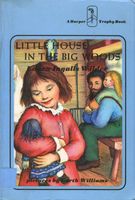
The first book in the series is Little House in the Big Woods, published in January 1932.
What genre is The Laura Years (Little House on the Prairie Originals) series?
The series primarily falls into the Historical genre.
Do you need to read The Laura Years (Little House on the Prairie Originals) series in order?
It’s best to read the series in order. Each book has its own story, but ongoing character arcs and relationships develop across the series.
What is The Laura Years (Little House on the Prairie Originals) series about?
The core premise follows the Ingalls family—Charles (Pa), Caroline (Ma), and their daughters—as they leave the settled life of the Big Woods in Wisconsin and head westward in search of land, opportunity, and independence. Each story traces their journey across the American frontier, from the dense forests of Wisconsin to the open prairies of Kansas, the shores of Plum Creek in Minnesota, the banks of Silver Lake in Dakota Territory, and eventually the town of De Smet. The family builds homes from sod or logs, plants crops, tends livestock, faces blizzards, grasshopper plagues, illness, and financial uncertainty, all while maintaining strong family bonds and finding beauty in the natural world. The narrative captures both the romance and the harsh reality of homesteading, showing how the Ingalls adapt, endure, and create a life of dignity and hope on the edge of civilization.
Is The Laura Years (Little House on the Prairie Originals) series finished?
The series does not currently have a new book scheduled.
More Series Like The Laura Years (Little House on the Prairie Originals)
If you enjoyed The Laura Years (Little House on the Prairie Originals), here are more historical series to explore.