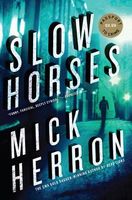
Slough House Books in Order
#
Title
Date
How to Read the Slough House series
Best Read in Order
· Start with Book 1
Standalone stories, but characters and relationships develop across the series.
The series is best experienced in its published reading order. While later books occasionally offer enough context for standalone enjoyment, the saga builds cumulatively: character backstories deepen, interpersonal dynamics shift through shared traumas and small victories, long-running rivalries simmer, and the broader political landscape of a fractured Britain evolves across installments. Recurring motifs—like the Slow Horses’ underdog status and the consequences of past mistakes—gain emotional and narrative weight when read sequentially. Novellas and side stories fit naturally into the timeline but enhance rather than replace the main arc. Skipping ahead risks missing the gradual humanization of its cast and the escalating stakes that make each new crisis feel personal and earned.
About the Slough House series
Series Premise
The core premise centers on Slough House, a dilapidated office building in London’s Barbican area that serves as MI5’s dumping ground for its most embarrassing failures—the “Slow Horses.†These disgraced agents, exiled from the gleaming headquarters at Regent’s Park after operational blunders, personal scandals, or simple bad luck, are condemned to soul-crushing administrative drudgery in the faint hope they will resign in despair. Instead, under the tyrannical oversight of their grotesque boss, the Slow Horses repeatedly find themselves dragged into real-world crises involving terrorism, betrayal, assassination attempts, and high-stakes intelligence games. What begins as petty office survival evolves into desperate, often improvised operations where these washed-up spies prove surprisingly effective precisely because no one expects anything from them. The narrative peels back layers of institutional cynicism, showing how personal redemption, institutional loyalty, and raw competence collide in a world of shifting alliances and expendable lives.
Main Characters
Jackson Lamb dominates as the unforgettable central figure: a slovenly, flatulent, chain-smoking relic of the Cold War whose crude exterior conceals a razor-sharp mind, ruthless pragmatism, and surprising protective instincts toward his misfit team. Foul-mouthed and deliberately repulsive, he berates his charges while secretly maneuvering them through impossible situations. River Cartwright, the closest thing to a traditional protagonist, is an ambitious young agent whose spectacular training exercise failure landed him in exile; his eagerness to prove himself often clashes with bitter realism. Catherine Standish, Lamb’s long-suffering assistant and recovering alcoholic, brings quiet competence, institutional memory, and moral grounding. Louisa Guy stands out as one of the most capable Slow Horses—professional, guarded, and quietly formidable after her own operational lapse. Roddy Ho, the narcissistic tech genius with zero social skills, provides comic relief and occasional crucial hacks. Other recurring Slow Horses include the laconic JK Coe, whose trauma runs deep; the earnest yet accident-prone Shirley Dander; and Marcus Longridge, whose gambling issues mask sharp instincts. On the Regent’s Park side, Diana Taverner (“Lady Diâ€) is the ambitious, cutthroat Head of Operations or First Desk whose political games frequently intersect with Slough House in dangerous ways. Supporting figures cycle through with memorable impact: rival agents, political operatives, grieving family members, and a rotating cast of terrorists, oligarchs, and betrayers whose schemes force the Slow Horses into the field.
Setting
The primary setting is contemporary London, rendered with gritty authenticity and a keen eye for its contradictions. Slough House itself is the shabby heart of the saga—a cramped, dingy row-house office reeking of stale cigarette smoke, unwashed clothes, and defeat, located far from the sleek glass-and-steel fortress of Regent’s Park where the real power brokers operate. Its peeling walls, malfunctioning lifts, and threadbare furniture mirror the inhabitants’ diminished status. Action spills into the wider city: rain-slicked streets of the Barbican, bustling Tube stations, anonymous safe houses, leafy suburbs, and high-security government buildings. Occasional forays into the English countryside or international flashpoints underscore the global reach of seemingly local failures. The atmosphere feels lived-in and oppressive—perpetual rain, bureaucratic inertia, and the constant hum of surveillance create a claustrophobic tension where danger can erupt from the mundane.
Tone & Themes
The tone is sardonic, profane, and relentlessly entertaining, blending black humor, grotesque physical comedy, and sudden bursts of violence with moments of genuine pathos. Herron’s prose is economical yet stylish—sharp dialogue, vivid metaphors, and a narrator’s eye that skewers pretension while quietly admiring resilience. The books pulse with dry British wit, flatulence jokes, and office banter that mask deeper dread. Themes cut close to the bone: the soul-destroying machinery of bureaucracy and institutional betrayal; the gap between public myth and private failure in intelligence work; redemption through unlikely competence; the corrosive effects of secrecy and paranoia; class tensions and political cynicism in post-Brexit Britain; loyalty among the disloyal; and the quiet dignity of those society has written off. Herron explores how failure can forge unexpected strength and how the “losers†often see clearer than the winners ensconced in power.
In the end, the Slough House series stands as a masterful, mordantly funny dissection of the spy game that refuses to romanticize its players or its institutions. Mick Herron crafts a world where competence hides in the unlikeliest corners, loyalty blooms among the discarded, and victory often tastes like ash. It delivers white-knuckle thrills alongside piercing observations on power, failure, and the stubborn human refusal to stay down. For readers craving espionage that bites as hard as it entertains, the saga offers an addictive journey through London’s shadows—one that leaves you laughing through the dread and quietly rooting for the ultimate underdogs who keep showing up, flatulence and all, to do the jobs no one else wants. In a genre crowded with suave agents, Herron reminds us that sometimes the real heroes smell bad, swear fluently, and never quite get the respect they deserve.
FAQ
How many books are in the Slough House series?
12 books total: 9 main + 3 extra stories
When will the next book in the series be released?
No new book in the series is currently scheduled. The latest book, Clown Town, was published in September 2025.
When was the most recent book released?
Clown Town was published in September 2025.
What was the first book in the series?
The first book in the series is Slow Horses, published in June 2010.
What genre is the Slough House series?
The series primarily falls into the Thriller genre.
Do you need to read the Slough House series in order?
It’s best to read the series in order. Each book has its own story, but ongoing character arcs and relationships develop across the series.
What is the Slough House series about?
The core premise centers on Slough House, a dilapidated office building in London’s Barbican area that serves as MI5’s dumping ground for its most embarrassing failures—the “Slow Horses.†These disgraced agents, exiled from the gleaming headquarters at Regent’s Park after operational blunders, personal scandals, or simple bad luck, are condemned to soul-crushing administrative drudgery in the faint hope they will resign in despair. Instead, under the tyrannical oversight of their grotesque boss, the Slow Horses repeatedly find themselves dragged into real-world crises involving terrorism, betrayal, assassination attempts, and high-stakes intelligence games. What begins as petty office survival evolves into desperate, often improvised operations where these washed-up spies prove surprisingly effective precisely because no one expects anything from them. The narrative peels back layers of institutional cynicism, showing how personal redemption, institutional loyalty, and raw competence collide in a world of shifting alliances and expendable lives.
Is the Slough House series finished?
The series does not currently have a new book scheduled.
More Series Like Slough House
If you enjoyed Slough House, here are more thriller series to explore.