Genre guide

Traditional British Books

Browse traditional british books, authors, and series on FictionDB. Find popular series in order, reader-favorite authors, and related fiction categories.

Top Traditional British Series

Start with popular traditional british series, especially if you want connected books, recurring characters, or a clear reading order.
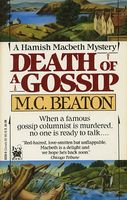
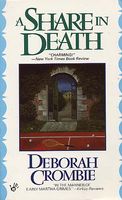
Popular Traditional British Authors

Browse authors frequently associated with traditional british books and series.

Popular Traditional British Books

Explore popular traditional british books from FictionDB’s genre data.
About Traditional British

Traditional British mystery (also called classic British mystery, traditional detective story, or often synonymous with Golden Age detective fiction) is a subgenre of mystery/crime fiction that originated and flourished primarily in Britain during the interwar period (roughly 1920s-1930s), though its style and conventions continue in later works. It emphasizes intellectual puzzles, fair-play whodunits, logical deduction, and the restoration of social order after a disruption (usually murder), presented in a civilized, often upper- or middle-class British setting. This genre is the "classic" form many associate with British mysteries: elegant, clue-based stories where the reader is invited to solve the crime alongside (or ahead of) the detective using the same evidence.

Key Characteristics:
- Whodunit structure -- The central question is "Who committed the crime?" (usually murder), with a focus on motive, means, and opportunity. The story presents clues fairly to the reader, building to a satisfying reveal/explanation.
- Fair play -- Adheres to "rules" (e.g., Ronald Knox's "Ten Commandments" or the Detection Club oath): No cheating the reader with hidden info, supernatural explanations, unmentioned criminals, or excessive coincidence. The culprit is introduced early; clues are visible; deduction is logical.
- Setting -- Closed or limited circle: English country house, village, train, island, or isolated group (e.g., "closed-circle" or "locked-room" mysteries). This restricts suspects and heightens tension.
- Tone & style -- Polite, witty, understated British restraint. Violence occurs off-page or minimally described; focus is cerebral rather than graphic. Humor, social satire, or eccentricity often present. Endings restore order -- justice prevails, society heals.
- Detective -- Brilliant amateur or eccentric professional (e.g., consulting detective, aristocratic sleuth, vicar). Often quirky (Belgian with "little grey cells," spinster observer). Sidekicks (Watson-like narrators) common.
- Themes -- Justice, morality, social hierarchy, human nature. Crime disrupts the social fabric; solving it reaffirms civilized values. Post-WWI escapism: controlled danger, rational triumph over chaos.
- Noir/grit absent -- Unlike hard-boiled (cynical, violent American P.I. tales), traditional British mysteries avoid moral ambiguity, graphic brutality, or systemic corruption as core elements.

Traditional mysteries are the root of many cozies (which add more humor/quirks and minimize darkness), but not all traditional are cozy -- some Golden Age works have sharper edges or social critique.

Traditional British mysteries are elegant, clue-driven puzzles set in refined British worlds, where brilliant detectives unravel murders through logic and observation, delivering satisfying justice with wit and civility. They're the blueprint for the classic "whodunit" -- intellectual games that reassure readers that reason triumphs and order returns. If the story feels like a sophisticated parlor game with tea, suspects in tweed, and a shocking-but-fair reveal, it's traditional British mystery territory.