
My Hero Academia Books in Order
About the My Hero Academia series
Series Premise
At its heart, My Hero Academia is set in a modern world that's pretty much like ours... except about 80% of people are born with incredible superpowers called "Quirks". These Quirks can be anything from shooting fire, manipulating gravity, or turning body parts into weird tools—super common, everyday stuff! Society has built an entire profession around heroism: Pro Heroes are licensed celebrities who fight villains, rescue people, and keep the peace, often with flashy costumes, sponsorships, and rankings like sports stars.
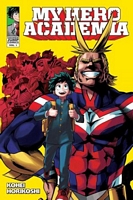
The story centers on Izuku Midoriya (everyone calls him Deku), a sweet, analytical kid who's obsessed with heroes. He dreams of becoming one himself... but there's a huge problem—he was born completely Quirkless in a world where that's basically unheard of. Bullied for his dreams (especially by his explosive childhood friend/rival Katsuki Bakugo), Deku still can't let go of his passion. Everything changes when he meets his ultimate idol, the unbeatable Symbol of Peace All Might, who sees something special in Deku's heroic heart. All Might passes on his own mighty Quirk, One For All, to Deku, turning the underdog into someone who can actually chase his dream. From there, Deku enrolls in U.A. High School, Japan's top hero academy, where he trains alongside other talented teens to become a true Pro Hero.
The series explores what it really means to be a hero—not just having flashy powers, but courage, empathy, sacrifice, and standing up for others even when it's hard. It also dives into the darker side: villainy, corruption in hero society, trauma, and how power can corrupt or inspire depending on how it's used.
The main My Hero Academia manga is a straightforward linear story, so the best (and really only recommended) way to experience it is in publication order—starting from chapter 1 and going straight through. It's chronological by design, with events building directly on each other, character growth unfolding naturally, and major reveals or power developments making the most sense when you see the full progression. Jumping around would spoil huge moments and make emotional payoffs feel flat.
That said, there are a few side stories and spin-offs (like My Hero Academia: Vigilantes, a prequel about underground heroes, or some light novels and team-up specials). Those aren't essential for the core plot and can be enjoyed whenever—before, during, or after the main series—since they mostly add flavor, backstories, or fun what-if scenarios without messing with the primary timeline. But for the heart of the story? Stick to the main chapters in order, and you'll get the full emotional ride Horikoshi intended. No need to overthink it—just dive in from the beginning!
Main Characters
The cast is huge and wonderfully diverse—each with unique Quirks, personalities, and arcs that make them feel real.
- Izuku Midoriya (Deku): The pure-hearted protagonist. Smart, kind, cries easily, but unbreakable willpower. His growth from insecure fanboy to confident leader is the emotional backbone.
- Katsuki Bakugo (Kacchan): Explosive, arrogant rival with a fire-in-the-belly drive to be #1. His journey from bully to reluctant team player (and deeper growth) is one of the series' best.
- All Might (Toshinori Yagi): The smiling, muscle-bound Symbol of Peace. Larger-than-life mentor figure hiding vulnerabilities—basically Superman with a goofy side.
- Ochaco Uraraka: Cheerful, gravity-defying girl with big dreams and a huge heart. Supportive friend with her own ambitions.
- Shoto Todoroki: Cool, stoic powerhouse with fire-and-ice Quirk. Family trauma and identity struggles give him tons of depth.
- Tenya Iida: Rule-following class rep with engine legs—serious, loyal, and hilariously uptight.
- Villains like Tomura Shigaraki (the creepy, decaying leader with a tragic edge) and others add real menace and complexity, often with backstories that make you question who's truly "evil."
Setting
The world feels like a near-future Japan (with some global elements) where Quirks emerged a few generations ago and completely reshaped society. Heroism is a regulated, glamorous career—think professional athletes crossed with first responders and celebrities. U.A. High is like the Harvard of hero schools, complete with massive campuses, pro-hero teachers, sports festivals broadcast nationwide, and intense training grounds. Cities are full of hero agencies, villain attacks are headline news, and everyday life includes Quirk-based tech, insurance for property damage from fights, and debates about Quirk discrimination. It's vibrant, detailed, and lived-in, making the superhero tropes feel grounded and believable.
Tone & Themes
The tone is super energetic and uplifting overall, with that classic shonen optimism shining through. Expect lots of hype training montages, epic showdowns, tear-jerking friendship moments, and characters yelling their dreams at the top of their lungs. It's motivational at its core—Deku's journey screams "anyone can be a hero if they try hard enough"—but Horikoshi doesn't shy away from heavier stuff. As the story progresses, it gets darker and more mature, tackling themes like trauma, societal flaws, loss, moral gray areas, and the cost of heroism. Early arcs feel like high-school adventure with big battles; later ones lean into war-scale stakes, psychological depth, and real consequences. It's a perfect balance: fun and inspiring when you need it, thought-provoking when it counts.
My Hero Academia is ultimately a love letter to heroism in all its forms: the flashy saves, the quiet kindnesses, the painful sacrifices. Kohei Horikoshi crafts a story that's exciting, emotional, and surprisingly thoughtful, asking big questions about power, society, and what it takes to inspire others. Whether you're here for the hype battles, the character drama, or the "keep going no matter what" message, it delivers in spades. It's the kind of series that leaves you pumped up, maybe a little teary, and definitely wanting to be a better person. If you haven't jumped in yet, grab that first volume—you're in for one heck of an adventure!
FAQ
25 books
No new book is currently scheduled. The latest book, My Hero Academia, Vol. 25, was published in October 2020.
My Hero Academia, Vol. 25 was published in October 2020.
The first book in the series is My Hero Academia, Vol. 1, published in August 2015.
The series primarily falls into the Fantasy Adventure genre.
At its heart, My Hero Academia is set in a modern world that's pretty much like ours... except about 80% of people are born with incredible superpowers called "Quirks". These Quirks can be anything from shooting fire, manipulating gravity, or turning body parts into weird tools—super common, everyday stuff! Society has built an entire profession around heroism: Pro Heroes are licensed celebrities who fight villains, rescue people, and keep the peace, often with flashy costumes, sponsorships, and rankings like sports stars. The story centers on Izuku Midoriya (everyone calls him Deku), a sweet, analytical kid who's obsessed with heroes. He dreams of becoming one himself... but there's a huge problem—he was born completely Quirkless in a world where that's basically unheard of. Bullied for his dreams (especially by his explosive childhood friend/rival Katsuki Bakugo), Deku still can't let go of his passion. Everything changes when he meets his ultimate idol, the unbeatable Symbol of Peace All Might, who sees something special in Deku's heroic heart. All Might passes on his own mighty Quirk, One For All, to Deku, turning the underdog into someone who can actually chase his dream. From there, Deku enrolls in U.A. High School, Japan's top hero academy, where he trains alongside other talented teens to become a true Pro Hero. The series explores what it really means to be a hero—not just having flashy powers, but courage, empathy, sacrifice, and standing up for others even when it's hard. It also dives into the darker side: villainy, corruption in hero society, trauma, and how power can corrupt or inspire depending on how it's used. The main My Hero Academia manga is a straightforward linear story, so the best (and really only recommended) way to experience it is in publication order—starting from chapter 1 and going straight through. It's chronological by design, with events building directly on each other, character growth unfolding naturally, and major reveals or power developments making the most sense when you see the full progression. Jumping around would spoil huge moments and make emotional payoffs feel flat. That said, there are a few side stories and spin-offs (like My Hero Academia: Vigilantes, a prequel about underground heroes, or some light novels and team-up specials). Those aren't essential for the core plot and can be enjoyed whenever—before, during, or after the main series—since they mostly add flavor, backstories, or fun what-if scenarios without messing with the primary timeline. But for the heart of the story? Stick to the main chapters in order, and you'll get the full emotional ride Horikoshi intended. No need to overthink it—just dive in from the beginning!
The series does not currently have a new book scheduled.