Genre guide

Graphic Novel Books

Browse graphic novel books, authors, and series on FictionDB. Find popular series in order, reader-favorite authors, and related fiction categories.

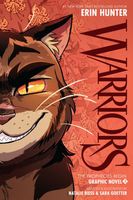
Top Graphic Novel Series

Start with popular graphic novel series, especially if you want connected books, recurring characters, or a clear reading order.
Popular Graphic Novel Authors

Browse authors frequently associated with graphic novel books and series.

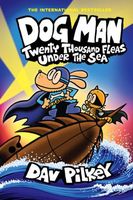
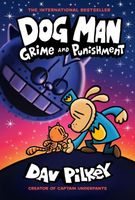
Popular Graphic Novel Books

Explore popular graphic novel books from FictionDB’s genre data.
About Graphic Novel

Graphic novel is a format (or medium) of storytelling rather than a strict literary genre. It refers to a book-length work of sequential art (comics-style narrative) that combines illustrations (usually paneled artwork) with text (dialogue, narration, captions) to tell a complete, self-contained story -- or a cohesive arc -- in a single volume, often published as a bound book (hardcover or paperback). The term was popularized in the 1970s-1980s to distinguish longer, more ambitious comics works from traditional periodical comic books (short, serialized issues of 20-40 pages, often monthly, featuring ongoing series like superhero adventures). "Graphic novel" helped elevate the medium's perception as serious literature, especially for mature or complex narratives, though some creators and scholars call it a marketing label rather than a precise definition.

Key Characteristics:
- Format, not genre -- Graphic novels can belong to any genre -- fiction, non-fiction, memoir, fantasy, sci-fi, horror, historical, biography, mystery, romance, superhero, slice-of-life, etc. The unifying element is the comics medium (sequential panels + text) presented as a novel-length book.
- Length & structure -- Typically 100-400+ pages; tells a complete story with beginning, middle, and end (or a major arc). Unlike single comic issues, it's not episodic or requiring monthly purchases.
- Sequential art -- Narrative driven by juxtaposed images in deliberate sequence (per Scott McCloud's Understanding Comics). Panels, gutters (spaces between panels), speech balloons, sound effects, and visual storytelling techniques create pacing, emotion, and meaning.
- Artistic & narrative ambition -- Often features sophisticated artwork, complex characters, thematic depth, symbolism, and literary quality. Can be black-and-white or color; styles range from realistic to abstract/experimental.
- Publication -- Standalone or original; some are collected editions of prior comic arcs (trade paperbacks), anthologies, or adaptations. Often aimed at adults/teens (though many are for all ages).
- Tone & audience -- Varies: serious/literary, entertaining, provocative, educational. Frequently explores mature themes (trauma, identity, society, history) but includes fun/light works.

A graphic novel is a long-form comic book told as a complete novel-like story in sequential art format -- not a genre, but a vehicle for any kind of tale, from epic fantasies and gritty superheroes to raw memoirs and historical nonfiction. It combines the visual power of comics with the depth of prose novels. If a book tells its story through panels of artwork and words in one bound volume (not monthly floppies), and feels like a full narrative experience -- it's a graphic novel.