Haunting Books in Order
#
Title
Date
About the Haunting series
Series Premise
Each book in the loose "haunting" collection follows a similar yet distinct formula: a relatable protagonist—often a young woman down on her luck, grieving, or seeking a fresh start—inherits, purchases, or moves into an old, isolated house that comes with a dark reputation or mysterious history. The house itself becomes a character: creaking, oppressive, and alive with supernatural activity that escalates from subtle unease (footsteps, cold spots, objects moving) to terrifying manifestations and revelations.
The core premise explores how the protagonist uncovers the house's tragic past—usually involving a tormented spirit (or spirits) trapped by unresolved trauma, murder, or betrayal. The ghost's presence is tied to the building, often manifesting as obsessive, jealous, or vengeful behavior that targets the newcomer. The stories build dread through isolation—no cell service, remote locations, harsh weather—while the protagonist digs into old journals, photographs, or local rumors to understand the haunting. Survival depends on empathy, courage, and sometimes confronting personal demons that parallel the ghost's pain. While standalone, the books share motifs: inherited properties with hidden horrors, protagonists who refuse to flee, and resolutions that blend confrontation with bittersweet release. The emphasis is on psychological horror—creeping dread, the unknown, and the blurring of reality and madness—rather than gore or monsters.
Main Characters
Protagonists are typically young women who are relatable, resilient, and skeptical at first.
Setting
The settings are isolated, atmospheric old houses in rural or small-town locations, often in England, Australia, or vaguely British-inspired locales. Each book features a distinct haunted property:
- Blackwood House: A decaying Victorian mansion in a remote English countryside area, filled with dust-covered rooms, hidden passages, and a sense of watchful malice.
- Ashburn House: A sprawling, neglected estate on the edge of a quiet town, surrounded by overgrown gardens and woods that feel alive with secrets.
- Rookward House: An eerie, isolated manor house with a history of cruelty, set in a remote, fog-shrouded landscape.
- Gillespie House and Leigh Harker: Similar old homes with creaking stairs, locked rooms, and an oppressive, timeless atmosphere.
The houses are characters themselves—claustrophobic yet grand, filled with relics of the past (old photographs, journals, antique furniture) that reveal clues. Remote locations amplify isolation—no neighbors, poor phone service, harsh weather—creating a sense of being trapped. The natural surroundings (dense forests, foggy moors, rainy nights) enhance the gothic mood, making the supernatural feel intertwined with the environment.
Tone & Themes
The tone is atmospheric, chilling, and psychologically tense, with a slow-burn build that prioritizes unease and dread over shocks. Coates creates a palpable sense of isolation and vulnerability, making the reader feel trapped alongside the protagonist in the house's oppressive atmosphere. The horror is intimate and emotional—ghosts driven by grief, obsession, or unfinished business—leading to moments of genuine terror rooted in empathy rather than revulsion.
Horror is tempered with quiet moments of reflection, subtle humor (dry observations or the absurdity of everyday life amid hauntings), and a touch of hope in the protagonists' resilience. The writing is elegant and immersive, with vivid sensory details (creaking floors, flickering lights, cold drafts) that heighten immersion. The tone remains grounded and human-focused—protagonists are ordinary people facing extraordinary fear—avoiding over-the-top gore or supernatural excess. Overall, it's classic modern gothic horror: eerie, suspenseful, and emotionally resonant, perfect for readers who enjoy creeping dread and satisfying, often poignant resolutions.
Darcy Coates' "haunting" books offer chilling, atmospheric gothic horror that transforms ordinary inherited houses into terrifying prisons of the past. Through resilient protagonists who confront restless spirits tied to tragic histories, the stories explore grief, obsession, and the lingering weight of unresolved pain while delivering slow-burn dread and satisfying resolutions. With evocative settings, psychological tension, and a focus on emotional realism over gore, the series stands as a modern standout in haunted-house horror—immersive, unsettling, and ultimately poignant. It leaves readers with a lingering chill and appreciation for the quiet terror of the unknown, making it perfect for fans of classic ghost stories with a contemporary edge.
FAQ
How many books are in the Haunting series?
5 books
When will the next book in the series be released?
No new book is currently scheduled. The latest book, The Haunting of Leigh Harker, was published in September 2021.
When was the most recent book released?
The Haunting of Leigh Harker was published in September 2021.
What was the first book in the series?
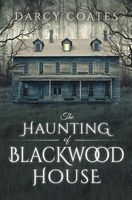
The first book in the series is The Haunting of Blackwood House, published in December 2015.
What genre is the Haunting series?
The series primarily falls into the Horror genre.
What is the Haunting series about?
Each book in the loose "haunting" collection follows a similar yet distinct formula: a relatable protagonist—often a young woman down on her luck, grieving, or seeking a fresh start—inherits, purchases, or moves into an old, isolated house that comes with a dark reputation or mysterious history. The house itself becomes a character: creaking, oppressive, and alive with supernatural activity that escalates from subtle unease (footsteps, cold spots, objects moving) to terrifying manifestations and revelations. The core premise explores how the protagonist uncovers the house's tragic past—usually involving a tormented spirit (or spirits) trapped by unresolved trauma, murder, or betrayal. The ghost's presence is tied to the building, often manifesting as obsessive, jealous, or vengeful behavior that targets the newcomer. The stories build dread through isolation—no cell service, remote locations, harsh weather—while the protagonist digs into old journals, photographs, or local rumors to understand the haunting. Survival depends on empathy, courage, and sometimes confronting personal demons that parallel the ghost's pain. While standalone, the books share motifs: inherited properties with hidden horrors, protagonists who refuse to flee, and resolutions that blend confrontation with bittersweet release. The emphasis is on psychological horror—creeping dread, the unknown, and the blurring of reality and madness—rather than gore or monsters.
Is the Haunting series finished?
The series does not currently have a new book scheduled.
More Series Like Haunting
If you enjoyed Haunting, here are more horror series to explore.