Goosebumps Books in Order
#
Title
Date
How to Read the Goosebumps series
Fully Standalone
· Start Anywhere
Each book is fully standalone and can be read in any order.
About the Goosebumps series
Series Premise
Goosebumps is an anthology series: each book is a self-contained story featuring different child or tween protagonists (usually 11–13 years old) who encounter something terrifying in their everyday lives. The horrors are almost always supernatural or paranormal—monsters, ghosts, curses, evil objects, mad scientists, haunted houses, werewolves, living dummies, or bizarre phenomena—often with a science-fiction or fantasy twist. Ordinary situations turn nightmarish: a new house hides dark secrets, a basement experiment goes wrong, a camera captures deadly futures, or a seemingly harmless toy or game unleashes chaos.
The core premise is simple and formulaic: a curious or unlucky kid (or siblings/friends) stumbles upon the strange or forbidden, ignores warnings, and faces escalating danger. The stories build suspense through mysterious events, creepy discoveries, and mounting fear, culminating in a shocking twist ending that often subverts expectations (e.g., the "monster" is closer than thought, the protagonist was the real threat, or the horror loops back). While most books end with the threat contained or escaped, some leave lingering unease. The series taps into childhood fears—moving to a new place, strict parents, bullies, the unknown—while assuring young readers they can outsmart or survive the scary through courage and quick thinking.
Main Characters
Goosebumps has no fixed cast—each book introduces new protagonists, usually ordinary kids thrust into extraordinary terror. Common archetypes include:
- Curious, slightly rebellious tweens (often 11–13) who ignore warnings
- Siblings (older brother/sister protecting younger sibling)
- Best friends facing danger together
- Kids visiting relatives or new towns
Recurring tropes:
- Protagonists are resourceful, brave, and quick-thinking—using smarts to escape
- Adults are often oblivious, skeptical, or part of the problem (e.g., mad scientists, possessed parents)
- Antagonists are monsters or supernatural forces (Slappy the Dummy, evil cameras, living lawn gnomes, werewolves, ghosts)
Setting
The settings are deliberately ordinary and familiar—suburban homes, small towns, schools, backyards, summer camps, beaches—to maximize the horror of the supernatural invading everyday life. Common locations include:
- Creepy old houses or new neighborhoods with hidden secrets
- Basements, attics, or forbidden rooms
- Small towns or isolated rural areas
- Schools, camps, or family vacations gone wrong
The American suburban or small-town backdrop (rarely specified beyond "a quiet town" or "a typical neighborhood") creates universality: the horror could happen anywhere. Some books venture to exotic locales (Egyptian tombs, Arctic expeditions, haunted amusement parks), but most stay grounded in relatable environments. The atmosphere is vivid—foggy nights, creaking floors, flickering lights, sudden storms—amplifying isolation and vulnerability.
Tone & Themes
The tone is spooky, thrilling, and playfully scary—designed to give "goosebumps" without genuine trauma. Stine masterfully balances genuine chills (eerie atmospheres, sudden reveals, creeping dread) with humor, exaggeration, and kid-friendly exaggeration. The scares are intense but never graphic—no gore, explicit violence, or deep psychological horror. Instead, the terror comes from the impossible becoming real: everyday objects turn evil, trusted adults hide monstrous sides, or normal life unravels into nightmare.
Humor lightens the mood—snarky narration, absurd situations (a kid turning into a plant, a dummy coming to life), and ironic twists keep things fun rather than bleak. The first-person or close third-person narration (often from the protagonist's perspective) makes the fear feel immediate and relatable, while the twist endings deliver a satisfying "gotcha!" moment. Overall, the tone is empowering: kids face fears, use wits to survive, and often emerge wiser, making the series feel exciting rather than depressing.
The Goosebumps series by R.L. Stine remains a cultural phenomenon—a masterful blend of kid-friendly horror, clever twists, and irresistible fun that terrified and thrilled an entire generation. Through 62 standalone tales of ordinary children confronting extraordinary terrors, Stine created accessible scares that empowered young readers to face fears with humor and courage. The familiar settings, relatable protagonists, and playful tone made the supernatural feel thrilling rather than traumatic, while the twist endings delivered satisfying shocks. Decades later, the books continue to captivate new readers through reprints, adaptations, and nostalgia—proving that a good scare, delivered with wit and heart, never goes out of style. Reader beware: you're still in for a scare.
FAQ
How many books are in the Goosebumps series?
62 books
When will the next book in the series be released?
No new book is currently scheduled. The latest book, Monster Blood IV, was published in December 1997.
When was the most recent book released?
Monster Blood IV was published in December 1997.
What was the first book in the series?
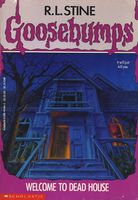
The first book in the series is Welcome to Dead House, published in July 1992.
What genre is the Goosebumps series?
The series primarily falls into the Horror genre.
Do you need to read the Goosebumps series in order?
No, the books can be read in any order. Each book is completely independent.
What is the Goosebumps series about?
Goosebumps is an anthology series: each book is a self-contained story featuring different child or tween protagonists (usually 11–13 years old) who encounter something terrifying in their everyday lives. The horrors are almost always supernatural or paranormal—monsters, ghosts, curses, evil objects, mad scientists, haunted houses, werewolves, living dummies, or bizarre phenomena—often with a science-fiction or fantasy twist. Ordinary situations turn nightmarish: a new house hides dark secrets, a basement experiment goes wrong, a camera captures deadly futures, or a seemingly harmless toy or game unleashes chaos. The core premise is simple and formulaic: a curious or unlucky kid (or siblings/friends) stumbles upon the strange or forbidden, ignores warnings, and faces escalating danger. The stories build suspense through mysterious events, creepy discoveries, and mounting fear, culminating in a shocking twist ending that often subverts expectations (e.g., the "monster" is closer than thought, the protagonist was the real threat, or the horror loops back). While most books end with the threat contained or escaped, some leave lingering unease. The series taps into childhood fears—moving to a new place, strict parents, bullies, the unknown—while assuring young readers they can outsmart or survive the scary through courage and quick thinking.
Is the Goosebumps series finished?
The series does not currently have a new book scheduled.
More Series Like Goosebumps
If you enjoyed Goosebumps, here are more horror series to explore.