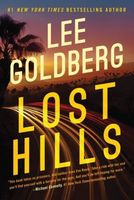
Eve Ronin Books in Order
#
Title
Date
About the Eve Ronin series
Series Premise
The series follows Deputy Eve Ronin, the youngest homicide detective in LASD history, as she tackles complex murders and high-stakes investigations in the sprawling jurisdiction of Los Angeles County. Eve's career skyrockets after a viral video captures her off-duty arrest of an abusive celebrity, turning her into an overnight hero—and a target for resentment within her department. Each book delivers a standalone case—often brutal homicides, missing persons, or serial killings—with Eve leading the probe amid institutional resistance, misogyny, and political pressures. Early novels focus on gritty, real-world crimes (e.g., a body in the hills, a gated-community nightmare, or Hollywood-linked deaths), while later ones incorporate broader threats (organized crime, celebrity scandals, or psychological games). Motives draw from greed, revenge, power, or hidden corruption, with clever twists, red herrings, and procedural realism (forensics, interrogations, jurisdictional clashes). The overarching arc traces Eve's rise and survival in a male-dominated, politically fraught agency: she faces sabotage, internal investigations, and personal risks while proving her worth through tenacity and insight. Recurring elements include the clash between public perception (Eve as a media darling) and departmental reality (sexism, bureaucracy), her strained family ties, and the emotional toll of the job. The premise underscores that justice is hard-fought in a flawed system, and one determined detective can make a difference—even at great personal cost.
Main Characters
Deputy Eve Ronin is the central protagonist: late 20s/early 30s, brilliant, tenacious, and ambitious—the youngest homicide detective in LASD history. Sharp, principled, and often underestimated due to her gender and age, Eve excels at profiling and persistence but faces constant pushback. Her viral arrest fame brings opportunity and resentment, forcing her to navigate politics while staying true to justice. Eve is multidimensional—driven yet haunted by personal costs (family strain, burnout).
Detective Daniel "Danny" Tate is Eve's partner: seasoned, gruff, but loyal. Their dynamic—mentor-mentee friction evolving into mutual respect—adds depth and banter.
Supporting cast includes:
- Captain or superiors: Bureaucratic figures who complicate Eve's path.
- Family: Eve's mother (supportive but worried), sister, or relatives grounding her personal life.
- Victims/suspects: Vary per book, often tied to LA's elite or underclass.
The ensemble feels realistic—departmental politics, media scrutiny, and personal stakes enrich the narrative.
Setting
The series is firmly rooted in Los Angeles County, California—spanning the diverse, sprawling jurisdiction of the LASD (Lost Hills Station in the Santa Monica Mountains area, Hollywood, gated communities, canyons, beaches, and urban streets). The "Lost Hills" of the first title refers to the affluent, rugged Westside region (Malibu, Calabasas, Agoura Hills), with its celebrity mansions, canyons, wildfires, and hidden dangers.
Settings feel authentic and vivid: crime scenes in remote hills or luxury homes, precinct offices, traffic-clogged freeways, and media-frenzied press conferences. The contrast between LA's glamour (Hollywood parties, gated estates) and grit (homeless encampments, underfunded policing) mirrors the stories' themes. Seasonal details (wildfire smoke, heat waves) enhance immersion, while the vast county allows varied cases—from suburban murders to high-profile scandals.
Tone & Themes
The tone is gritty, suspenseful, and grounded—modern police procedural with a sharp, realistic edge. Goldberg maintains relentless momentum: short chapters, escalating stakes, and clever twists keep pages turning. The atmosphere is tense and atmospheric, reflecting LA's glamour-dark underbelly without excessive gore or nihilism—violence serves the plot, emphasizing consequences and human cost. Humor is dry and sardonic: Eve's wry observations, banter with her partner, or ironic commentary on celebrity culture and departmental politics provide relief. Emotional depth comes from Eve's vulnerability (grief, self-doubt, family strain), but the series remains empowering—justice prevails, often dramatically, and Eve's resilience shines. It's more intense than cozy mysteries, with mature themes (misogyny, corruption, trauma), yet satisfying and character-driven—ideal for thriller fans seeking smart, addictive procedurals with heart.
The Eve Ronin series by Lee Goldberg stands as a standout modern police procedural, delivering 7+ novels of sharp, twisty investigations and institutional grit in the sprawling jurisdiction of Los Angeles County. From the viral fame and canyon murder in *Lost Hills* to escalating threats in Split Screen and beyond, Eve Ronin's cases blend realistic policing, clever plotting, and emotional resonance for addictive suspense. With strong ratings, over a million copies sold, and a TV adaptation in the works, it's a must-read for thriller fans seeking a fierce, relatable heroine battling crime and bureaucracy. Whether starting with Book 1 or catching up, the series proves that in a city of dreams and darkness, one determined detective can uncover truth—and survive the spotlight.
FAQ
How many books are in the Eve Ronin series?
7 books
When will the next book in the series be released?
The next book in the Eve Ronin series, Split Screen, will be published in Oct-2026.
When was the most recent book released?
Fallen Star was published in October 2025.
What was the first book in the series?
The first book in the series is Lost Hills, published in January 2020.
What genre is the Eve Ronin series?
The series primarily falls into the Police Procedural genre.
What is the Eve Ronin series about?
The series follows Deputy Eve Ronin, the youngest homicide detective in LASD history, as she tackles complex murders and high-stakes investigations in the sprawling jurisdiction of Los Angeles County. Eve's career skyrockets after a viral video captures her off-duty arrest of an abusive celebrity, turning her into an overnight hero—and a target for resentment within her department. Each book delivers a standalone case—often brutal homicides, missing persons, or serial killings—with Eve leading the probe amid institutional resistance, misogyny, and political pressures. Early novels focus on gritty, real-world crimes (e.g., a body in the hills, a gated-community nightmare, or Hollywood-linked deaths), while later ones incorporate broader threats (organized crime, celebrity scandals, or psychological games). Motives draw from greed, revenge, power, or hidden corruption, with clever twists, red herrings, and procedural realism (forensics, interrogations, jurisdictional clashes). The overarching arc traces Eve's rise and survival in a male-dominated, politically fraught agency: she faces sabotage, internal investigations, and personal risks while proving her worth through tenacity and insight. Recurring elements include the clash between public perception (Eve as a media darling) and departmental reality (sexism, bureaucracy), her strained family ties, and the emotional toll of the job. The premise underscores that justice is hard-fought in a flawed system, and one determined detective can make a difference—even at great personal cost.
Is the Eve Ronin series finished?
The series is ongoing, with the next book currently scheduled.
More Series Like Eve Ronin
If you enjoyed Eve Ronin, here are more police procedural series to explore.