Genre guide

Law Enforcement Books

Browse law enforcement books, authors, and series on FictionDB. Find popular series in order, reader-favorite authors, and related fiction categories.

Top Law Enforcement Series

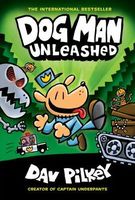
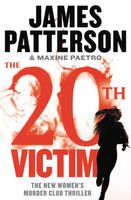
Start with popular law enforcement series, especially if you want connected books, recurring characters, or a clear reading order.
Popular Law Enforcement Authors

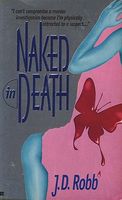
Browse authors frequently associated with law enforcement books and series.

Popular Law Enforcement Books

Explore popular law enforcement books from FictionDB’s genre data.
About Law Enforcement

Law Enforcement fiction is a subgenre of crime fiction / detective fiction that focuses on professional law enforcement officers (police detectives, officers, investigators, or sometimes federal agents like FBI) as they investigate crimes, primarily using realistic police procedures, teamwork, bureaucracy, forensic methods, legal constraints, and the day-to-day realities of the job. Unlike amateur sleuths, private eyes, or lone-genius detectives, the protagonists here are official members of a police force or agency, and the story emphasizes authentic investigative processes -- gathering evidence, processing crime scenes, obtaining warrants, interrogations, autopsies, lab work, inter-departmental politics, and adherence to laws/rules -- over pure puzzle-solving or dramatic flair. The term "police procedural" is a precise and widely used label for the mystery subset of "law enforcement fiction" and you can find a list for Police Procedurals on FictionDB as well. Law Enforcement is used on this site in a more broad sense (including FBI/CIA thrillers or federal cases), but it overlaps heavily and is often treated synonymously.

Key Characteristics:
- Protagonists -- Usually police detectives, homicide units, or squads (often ensemble casts). They work within a system: partners, superiors, forensics teams, medical examiners. Heroes are competent professionals (though often flawed personally -- burnout, family issues, moral struggles).
- Realism in procedure -- Accurate (or semi-accurate) depiction of police work: crime scene analysis, chain of evidence, Miranda rights, search warrants, ballistics, interrogations, paperwork, jurisdictional issues. Authors often research extensively or draw from real experience (ex-cops, consultants).
- Tone & pace -- Grounded and procedural; can be gritty, tense, or character-driven. Less "whodunit" puzzle (criminal sometimes known early) and more "howcatchem" (how the team builds the case). Violence and language realistic but not always graphic.
- Settings -- Urban precincts, squad rooms, morgues, streets; often series set in specific cities (LA, NYC, Edinburgh) to show evolving department dynamics.
- Plot -- Multiple cases per book (or ongoing arcs), focus on investigation steps, red tape, teamwork failures/successes, personal toll of the job. Endings deliver justice via arrests/convictions, but often bittersweet (system flaws, loose ends).
- Themes -- Justice system realities, corruption vs. integrity, societal issues (poverty, race, drugs), psychological impact on officers, moral ambiguity in policing.

Many modern "law enforcement" stories blend procedural realism with thriller elements or character depth.

Law enforcement fiction puts you inside the badge -- following cops through the grind of real investigations, paperwork, team dynamics, and the human cost of chasing justice. If the story dives into precinct life, forensic details, legal hurdles, and how a squad cracks cases (rather than a lone genius or amateur stumbling in), it's law enforcement / police procedural territory. It's the grounded, boots-on-the-ground side of crime fiction.