Inspector Wexford Books in Order
#
Title
Date
Jan 1997
About the Inspector Wexford series
Series Premise
The series follows Detective Chief Inspector Reginald Wexford of the Kingsmarkham CID (fictional Sussex police force) and his long-time partner, Detective Sergeant (later Chief Inspector) Mike Burden, as they investigate murders, disappearances, and serious crimes in and around the market town of Kingsmarkham. Each novel presents a self-contained case—often beginning with an apparently ordinary death (a woman found strangled in her home, a body in a quarry, a missing teenager) that quickly reveals layers of hidden motive, family secrets, class tension, or psychological disturbance.
Wexford's investigations are driven by his sharp intellect, deep empathy, and refusal to accept easy answers. He pieces together clues through patient observation, interviews, and intuition, frequently uncovering uncomfortable truths about seemingly respectable lives. Cases often involve domestic violence, sexual obsession, social inequality, mental illness, or the consequences of past actions resurfacing decades later. Burden provides a contrasting perspective—more conventional, sometimes impatient, occasionally judgmental—creating a dynamic partnership that evolves over time.
The overarching narrative traces Wexford's professional and personal life across nearly 50 years: his rise to Chief Inspector, marriage to Dora, raising two daughters (Sheila and Sylvia), dealing with retirement pressures, and facing the changing nature of policing and society. While each book stands alone, recurring themes include the fragility of human relationships, the long shadow of guilt, and the tension between justice and mercy.
Main Characters
Chief Inspector Reginald Wexford: The central figure—a tall, burly, middle-aged (later elderly) detective with a shrewd mind, dry humor, and deep empathy. Working-class roots, well-read, happily married, and quietly liberal, Wexford is driven by a sense of justice and compassion for victims. He ages realistically across the series—facing retirement, health concerns, and changing times—while remaining sharp and principled.
- Detective Sergeant/Chief Inspector Mike Burden: Wexford's long-time partner—initially younger, more conventional, sometimes judgmental, and ambitious. Over the decades, Burden matures, marries, faces personal tragedy, and becomes a more rounded, empathetic figure. Their contrasting personalities (Wexford's intuition vs. Burden's methodical approach) create a dynamic working relationship.
- Dora Wexford: Reg's loyal, sensible wife—practical, supportive, and occasionally exasperated by his obsession with work. She provides domestic grounding and occasional sharp insight.
- Sheila and Sylvia Wexford: The detective's two daughters—Sheila becomes an actress and activist; Sylvia a teacher and single mother. Both appear intermittently, adding family texture and generational contrast.
- Supporting cast: Various sergeants and constables (e.g., DS Thompson, DS Martin), local doctors, journalists, and a wide range of suspects and victims from all social classes—wealthy landowners, council-estate residents, immigrants, eccentrics, and ordinary families hiding dark secrets.
Setting
The series is anchored in Kingsmarkham, a fictional market town in Sussex (loosely inspired by Mid-Sussex towns like Haywards Heath or Burgess Hill). Kingsmarkham is an ordinary, middle-England community—high street shops, council estates, Georgian houses, new developments, and surrounding countryside of downs, woods, and villages. The town evolves across the decades: 1960s post-war optimism gives way to 1970s economic strain, 1980s affluence and Thatcher-era changes, and later books reflect modern issues (immigration, gentrification, internet culture).
Crime scenes are typically domestic or local—suburban homes, country lanes, abandoned quarries, rivers, or quiet woods—making violence feel intrusive and shocking in an otherwise peaceful setting. Police stations are functional and unglamorous; Wexford's home life (a modest semi-detached house) contrasts with the grandeur of some suspects' residences. Occasional cases take Wexford to London, rural Sussex, or abroad, but Kingsmarkham remains the emotional center—a microcosm of English society where class, secrets, and ordinary lives collide.
Tone & Themes
The tone is measured, intelligent, and quietly compassionate—classic British crime fiction with a psychological and social conscience. Rendell's prose is elegant, precise, and understated; she avoids sensationalism, graphic violence, or cheap shocks. Murders are described with clinical detachment when necessary, but the focus remains on motive, character, and consequence rather than gore.
Suspense builds through psychological tension, subtle clues, and the gradual revelation of human weakness rather than fast-paced action. Wexford's dry wit and Burden's occasional exasperation provide understated humor, while moments of genuine warmth (family scenes, small acts of kindness) offer relief amid darkness. The series never descends into cynicism; Rendell maintains a humane, reflective voice—crimes are tragic, perpetrators often pitiable rather than monstrous, and justice, while imperfect, remains worth pursuing. The tone matures over time—from relatively straightforward early mysteries to more introspective, morally complex later novels—while consistently delivering satisfying, thought-provoking resolutions.
The Inspector Wexford series is a masterclass in thoughtful, humane crime fiction—Ruth Rendell created one of the most enduring and intelligent detectives in the genre, whose cases illuminate the quiet tragedies and hidden darkness beneath ordinary English life. Through Wexford's compassionate, clear-eyed investigations in the changing landscape of Kingsmarkham, the books explore morality, class, guilt, and the complexity of human motivation with subtlety and depth. With elegant prose, satisfying puzzles, and deeply relatable characters, the series offers both gripping mystery and quiet wisdom—perfect for readers who value character, atmosphere, and insight over flashy action. Wexford remains one of crime fiction's most memorable figures: a decent man doing hard work in an imperfect world, proving that even in the face of evil, compassion and reason can prevail.
FAQ
How many books are in the Inspector Wexford series?
25 books total: 24 main + 1 companion book
When will the next book in the series be released?
No new book is currently scheduled. The latest book, No Man's Nightingale, was published in November 2013.
When was the most recent book released?
No Man's Nightingale was published in November 2013.
What was the first book in the series?
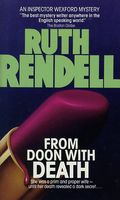
The first book in the series is From Doon With Death, published in January 1964.
What genre is the Inspector Wexford series?
The series primarily falls into the Police Procedural genre.
What is the Inspector Wexford series about?
The series follows Detective Chief Inspector Reginald Wexford of the Kingsmarkham CID (fictional Sussex police force) and his long-time partner, Detective Sergeant (later Chief Inspector) Mike Burden, as they investigate murders, disappearances, and serious crimes in and around the market town of Kingsmarkham. Each novel presents a self-contained case—often beginning with an apparently ordinary death (a woman found strangled in her home, a body in a quarry, a missing teenager) that quickly reveals layers of hidden motive, family secrets, class tension, or psychological disturbance. Wexford's investigations are driven by his sharp intellect, deep empathy, and refusal to accept easy answers. He pieces together clues through patient observation, interviews, and intuition, frequently uncovering uncomfortable truths about seemingly respectable lives. Cases often involve domestic violence, sexual obsession, social inequality, mental illness, or the consequences of past actions resurfacing decades later. Burden provides a contrasting perspective—more conventional, sometimes impatient, occasionally judgmental—creating a dynamic partnership that evolves over time. The overarching narrative traces Wexford's professional and personal life across nearly 50 years: his rise to Chief Inspector, marriage to Dora, raising two daughters (Sheila and Sylvia), dealing with retirement pressures, and facing the changing nature of policing and society. While each book stands alone, recurring themes include the fragility of human relationships, the long shadow of guilt, and the tension between justice and mercy.
Is the Inspector Wexford series finished?
The series does not currently have a new book scheduled.
More Series Like Inspector Wexford
If you enjoyed Inspector Wexford, here are more police procedural series to explore.