Arkady Renko Books in Order
#
Title
Date
How to Read the Arkady Renko series
Best Read in Order
· Start with Book 1
Standalone stories, but characters and relationships develop across the series.
The series is best read in sequential order, though each novel functions as a largely self-contained mystery with its own satisfying resolution. The books chart Arkady’s personal and professional evolution across decades—from a disillusioned Soviet investigator to a weathered figure in Putin’s Russia—while building on recurring relationships, past traumas, and the cumulative weight of his choices. Early entries establish his character, failed marriage, and moral compass under totalitarianism; later volumes deepen his connections, introduce new personal stakes (including an adopted son and near-death experiences), and reflect Russia’s changing realities. Reading chronologically enriches the experience by revealing subtle character growth, ongoing tensions with authority, and the long-term consequences of earlier cases. That said, the strong procedural cores and Smith’s skillful recaps allow readers to enjoy individual titles out of sequence without significant loss, particularly for those drawn primarily to the mystery elements.
About the Arkady Renko series
Series Premise
The core premise follows Arkady Renko, a brilliant yet stubbornly honest chief homicide investigator in Moscow, as he pursues murderers amid layers of official corruption, bureaucratic obstruction, and personal peril. Renko’s cases often begin with seemingly ordinary murders that unravel into larger conspiracies involving the powerful elite—Party officials, oligarchs, security services, or foreign interests. Whether investigating mutilated bodies in a snowy park, crimes on a factory ship in the Bering Sea, or killings tied to radioactive fallout and political intrigue, Arkady refuses to look the other way. His investigations force him to navigate a world where truth is dangerous, loyalty is conditional, and survival frequently demands moral compromise. The stories trace Russia’s transformation while centering on Arkady’s quiet rebellion against systemic dishonesty, blending procedural detail with broader commentary on power, identity, and the human cost of history.
Main Characters
Arkady Vasilevich Renko anchors the entire series as one of modern fiction’s most compelling protagonists: a tall, rumpled, chain-smoking investigator born into the Soviet nomenklatura as the son of a notorious Red Army general known as “the Butcher.†Disillusioned by his father’s Stalinist legacy and his own failed marriage to the ambitious Zoya, Arkady possesses a razor-sharp intellect, unyielding moral core, and quiet cynicism that repeatedly lands him in trouble with superiors. He is neither hero nor anti-hero but a flawed, deeply human man driven by an almost instinctive need for truth, even when it offers no reward. Supporting and recurring figures add richness: Major Pribluda (or similar KGB/FSB adversaries) who embody the system’s watchful eye; Victor Orlov, Arkady’s hard-drinking, unreliable yet loyal colleague whose friendship provides comic relief and grounding; Irina (an early romantic interest whose fate haunts him); later romantic partners and an adopted son who humanize Arkady’s personal life; and a rotating cast of victims, suspects, oligarchs, and apparatchiks whose motives reflect Russia’s shifting power structures. These characters create a vivid ensemble that evolves alongside the nation, with recurring officials and underworld figures underscoring the continuity of corruption.
Setting
The setting is one of the series’ greatest strengths, evolving dynamically with Russia’s history. Early novels immerse readers in the gray, oppressive atmosphere of late-Soviet Moscow—snow-covered parks, cramped apartments, bureaucratic offices, and shadowy dachas—where shortages, surveillance, and propaganda shape daily life. Subsequent stories expand geographically and temporally: a claustrophobic Soviet whaling ship in the icy Bering Sea, the sun-drenched yet tense streets of post-revolutionary Havana, radioactive exclusion zones near Chernobyl, glittering yet dangerous Moscow under oligarch influence, remote Siberian outposts, and even international locales that highlight Russia’s global entanglements. The atmosphere crackles with authenticity—the bite of winter cold, the haze of cigarette smoke in interrogation rooms, the contrast between opulent elite enclaves and decaying communal housing—creating a palpable sense of place that underscores the characters’ isolation and resilience.
Tone & Themes
Tonally, the books deliver a brooding, atmospheric intensity laced with dry, ironic humor and moments of unexpected tenderness. Smith’s prose is elegant and economical, painting vivid scenes of wintry Moscow streets, smoky interrogations, and remote Siberian expanses while maintaining a cool, observational distance that mirrors Arkady’s own detachment. The mood is often melancholic and cynical, reflecting the grim realities of corruption and violence, yet never nihilistic—flashes of wry wit, quiet heroism, and fleeting beauty provide balance. Thematically, the series explores the corrosive effects of authoritarianism on the individual soul, the tension between personal integrity and institutional survival, the lingering ghosts of Soviet history in modern Russia, the search for truth in a culture built on lies, and the redemptive power of human connection amid moral ambiguity. Smith probes questions of loyalty—to family, country, or conscience—while examining how ordinary people endure (or exploit) systemic rot, with Russia itself emerging as a vivid, almost living character shaped by its turbulent past.
In the end, the Arkady Renko series by Martin Cruz Smith stands as a profound literary achievement—a mirror held up to Russia’s soul across more than four turbulent decades. Smith invites readers into a world where one honest man’s quiet defiance illuminates the darkness of power, where murder investigations become moral journeys, and where the search for justice persists even when the system itself is the greatest criminal. These novels grip with masterful plotting and vivid atmosphere while stirring the heart with Arkady’s stubborn humanity, reminding us that integrity remains possible—even necessary—in the most compromised of circumstances. For lovers of intelligent thrillers that transcend genre, the series offers an unforgettable odyssey through snow and shadow, where a single detective’s pursuit of truth becomes a testament to the enduring resilience of the human spirit. In Arkady’s weary footsteps, we discover that some battles are won not with victory, but with the simple, stubborn refusal to look away.
FAQ
How many books are in the Arkady Renko series?
11 books
When will the next book in the series be released?
No new book in the series is currently scheduled. The latest book, Hotel Ukraine, was published in July 2025.
When was the most recent book released?
Hotel Ukraine was published in July 2025.
What was the first book in the series?
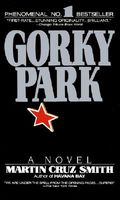
The first book in the series is Gorky Park, published in February 1981.
What genre is the Arkady Renko series?
The series primarily falls into the Law Enforcement genre.
Do you need to read the Arkady Renko series in order?
It’s best to read the series in order. Each book has its own story, but ongoing character arcs and relationships develop across the series.
What is the Arkady Renko series about?
The core premise follows Arkady Renko, a brilliant yet stubbornly honest chief homicide investigator in Moscow, as he pursues murderers amid layers of official corruption, bureaucratic obstruction, and personal peril. Renko’s cases often begin with seemingly ordinary murders that unravel into larger conspiracies involving the powerful elite—Party officials, oligarchs, security services, or foreign interests. Whether investigating mutilated bodies in a snowy park, crimes on a factory ship in the Bering Sea, or killings tied to radioactive fallout and political intrigue, Arkady refuses to look the other way. His investigations force him to navigate a world where truth is dangerous, loyalty is conditional, and survival frequently demands moral compromise. The stories trace Russia’s transformation while centering on Arkady’s quiet rebellion against systemic dishonesty, blending procedural detail with broader commentary on power, identity, and the human cost of history.
Is the Arkady Renko series finished?
The series does not currently have a new book scheduled.
More Series Like Arkady Renko
If you enjoyed Arkady Renko, here are more law enforcement series to explore.