Vera Stanhope Books in Order
#
Title
Date
How to Read the Vera Stanhope series
Best Read in Order
· Start with Book 1
Standalone stories, but characters and relationships develop across the series.
The series is best read in its published chronological order. The books form a continuous narrative arc in which Vera’s character deepens, her team dynamics evolve, and subtle references to past cases or personal history accumulate. While each installment delivers a self-contained mystery with a satisfying resolution, the emotional texture—Vera’s growing reflections on her own life, the team’s loyalty tested by her demanding style, and the cumulative weight of the region’s social landscape—builds meaningfully across the saga. Individual books can be enjoyed out of sequence for their strong standalone plots, but sequential reading enhances appreciation of Vera’s complexity and the quiet progression of her world.
About the Vera Stanhope series
Series Premise
The core premise centers on Detective Inspector (later Chief Inspector) Vera Stanhope of the Northumbria Police, a middle-aged, overweight, and often disheveled woman whose sharp intellect, relentless intuition, and deep knowledge of human nature make her exceptionally effective at solving complex murders. Each novel revolves around a suspicious death in the rugged communities of northeast England, where Vera and her team peel back layers of secrets, lies, and long-buried resentments among seemingly ordinary people. Cases frequently involve small-town rivalries, family betrayals, workplace tensions, or environmental disputes that escalate into violence. Vera’s investigations are as much psychological explorations as procedural puzzles, delving into the motivations of victims and suspects while exposing how isolation, class, and personal failures fester beneath polite surfaces. The stories balance meticulous police work with Vera’s personal demons and her unorthodox methods, which sometimes strain her relationships with colleagues.
Main Characters
Vera Stanhope dominates as the unforgettable central protagonist: a large, untidy woman in her fifties or sixties, often wearing a shapeless raincoat and Wellington boots, whose unkempt appearance belies a formidable mind and fierce dedication to her work. Gruff, impatient, and sometimes bullying toward her team, she is also deeply compassionate, driven by a personal sense of justice shaped by her own lonely upbringing and complicated family history (including a naturalist father who left emotional scars). Her intuition and ability to read people make her a brilliant detective, though her obsession with cases leaves little room for personal life. Recurring team members add essential layers: Detective Sergeant Joe Ashworth serves as her steadfast, family-oriented right-hand man, often acting as a moral counterbalance to Vera’s intensity while enduring her demands with loyalty and occasional frustration. Other supporting detectives, such as Holly Lawson or newer team members, cycle through with distinct personalities that create workplace tension and growth. Recurring figures include pathologists, forensic experts, and local officers who provide continuity, while victims’ families, suspects, and community members—ranging from farmers and teachers to business owners and outsiders—flesh out each investigation. Vera’s occasional reflections on her late father or past relationships add poignant personal depth without overshadowing the central mysteries.
Setting
The primary setting is the varied and often harsh landscape of Northumberland and surrounding areas in northeast England. Rolling hills, wild moorlands, dramatic coastlines, isolated farms, former mining villages, and small market towns create a vivid backdrop where weather and geography actively influence the stories—fog-shrouded valleys, windswept cliffs, and remote cottages heighten isolation and tension. Urban elements, such as Newcastle’s edges or police stations, provide contrast, but the heart of the series lies in rural and coastal communities where everyone knows (or thinks they know) everyone else. This environment feels authentic and lived-in, with its blend of natural beauty, economic hardship, and lingering industrial scars reinforcing themes of hidden depths and fragile social bonds.
Tone & Themes
The tone is atmospheric, introspective, and quietly compelling, blending procedural realism with a strong sense of place and understated emotional depth. Cleeves’s prose is clear and evocative, avoiding sensationalism while allowing moments of dry humor, particularly in Vera’s blunt observations and interactions. The mood is often somber and brooding, tempered by Vera’s wry resilience and the team’s camaraderie. Themes include the corrosive effects of secrets and repression within tight-knit communities; the loneliness of strong, unconventional women; the burdens of duty and personal sacrifice; class and economic pressures in rural and post-industrial Britain; the blurred lines between justice and compassion; and the ways trauma echoes across generations. Cleeves explores how ordinary lives harbor extraordinary darkness, emphasizing empathy alongside rigorous detection and the redemptive power of truth, however painful.
In the end, the Vera Stanhope Mystery series stands as a masterclass in character-driven crime fiction, where a seemingly unremarkable detective illuminates the profound complexities hiding in plain sight. Ann Cleeves crafts stories that honor the bleak beauty of Northumberland while probing the universal truths of guilt, grief, and the search for understanding. For readers who appreciate atmospheric procedurals with flawed, fully human heroes, Vera offers an addictive blend of sharp detection, quiet heartbreak, and hard-won insight. Her raincoat may be crumpled and her manners brusque, but her pursuit of truth cuts through deception like a north wind, leaving readers with the satisfying sense that justice, though imperfect, remains worth chasing across misty moors and shadowed lives. The saga lingers like the echo of a curlew’s call—haunting, resilient, and profoundly human.
FAQ
How many books are in the Vera Stanhope series?
12 books total: 11 main + 1 extra story
When will the next book in the series be released?
No new book in the series is currently scheduled. The latest book, The Dark Wives, was published in September 2024.
When was the most recent book released?
The Dark Wives was published in September 2024.
What was the first book in the series?
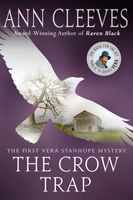
The first book in the series is The Crow Trap, published in January 1999.
What genre is the Vera Stanhope series?
The series primarily falls into the Police Procedural genre.
Do you need to read the Vera Stanhope series in order?
It’s best to read the series in order. Each book has its own story, but ongoing character arcs and relationships develop across the series.
What is the Vera Stanhope series about?
The core premise centers on Detective Inspector (later Chief Inspector) Vera Stanhope of the Northumbria Police, a middle-aged, overweight, and often disheveled woman whose sharp intellect, relentless intuition, and deep knowledge of human nature make her exceptionally effective at solving complex murders. Each novel revolves around a suspicious death in the rugged communities of northeast England, where Vera and her team peel back layers of secrets, lies, and long-buried resentments among seemingly ordinary people. Cases frequently involve small-town rivalries, family betrayals, workplace tensions, or environmental disputes that escalate into violence. Vera’s investigations are as much psychological explorations as procedural puzzles, delving into the motivations of victims and suspects while exposing how isolation, class, and personal failures fester beneath polite surfaces. The stories balance meticulous police work with Vera’s personal demons and her unorthodox methods, which sometimes strain her relationships with colleagues.
Is the Vera Stanhope series finished?
The series does not currently have a new book scheduled.
More Series Like Vera Stanhope
If you enjoyed Vera Stanhope, here are more police procedural series to explore.