
Sister Fidelma Books in Order
#
Title
Date
About the Sister Fidelma series
Series Premise
The series is set in 7th-century Ireland during the Golden Age of early Christian Ireland, a time when the island was a center of learning, law, and relative peace compared to the rest of post-Roman Europe. Sister Fidelma is a dálaigh (professional advocate/lawyer) of the Brehon court system and a member of the religious community at the abbey of Ard Fhearta (though she is not a cloistered nun—she is a religieuse who has taken religious vows but retains freedom to travel and practice law). She is also sister to Colgú, king of Muman (Munster), giving her high social status. Fidelma investigates murders, thefts, betrayals, and legal disputes that often have political, religious, or personal ramifications. Cases frequently involve tensions between the Celtic/Irish Christian Church (with its unique practices) and the Roman Church (pushing for uniformity), as well as clan rivalries, inheritance disputes, Viking threats (in later books), and supernatural claims that Fidelma always debunks with logic. She is assisted by Brother Eadulf, a Saxon monk from Wessex who becomes her husband and partner. Together, they travel across Ireland (and occasionally to Britain or Gaul) to solve crimes using Irish Brehon law, keen observation, and Fidelma's sharp intellect. Each book is a standalone mystery, but the series builds a rich ongoing narrative of Fidelma and Eadulf's relationship, their growing family, Fidelma's career, and the gradual Romanization of the Irish church.
Main Characters
> Sister Fidelma: Protagonist—late 20s/early 30s (ages slowly), red-haired, sharp-witted dálaigh of the Brehon court. Highly educated, independent, courageous, and logical; uses Irish law and keen observation to solve crimes. Daughter of a king, sister to King Colgú; takes religious vows but retains freedom. Grows from solitary investigator to devoted wife and mother.
> Brother Eadulf: Fidelma's husband—Saxon monk from Wessex, trained in medicine and theology. Practical, loyal, often puzzled by Irish customs but deeply supportive. Provides emotional grounding, medical knowledge, and occasional comic relief.
> King Colgú: Fidelma's younger brother—king of Muman. Fair, wise, often seeks Fidelma's counsel; represents political stability.
> Abbot Ségdae: Fidelma's mentor and friend—head of Ard Fhearta abbey; wise, supportive.
> ConrÃ: Warrior of the Nasc Niadh (bodyguard elite)—loyal, brave, often assists in dangerous situations.
> Supporting: Various kings, abbots, Brehons, suspects, and villagers who populate the rich Irish world; recurring figures include Fidelma and Eadulf's son Alchú (introduced later).
Setting
7th-century Ireland (roughly 650–680 A.D.), during the Golden Age when Ireland was a beacon of learning, monastic culture, and legal sophistication amid the Dark Ages elsewhere. The setting is vividly realized: green hills, ancient ring forts, stone monasteries (abbeys like Armagh, Clonmacnoise, or Ard Fhearta), small kingdoms (Muman/Munster, Connacht, Uà Néill lands), coastal cliffs, forests, and sacred sites. Travel is by horse, boat, or foot along dirt tracks, rivers, and early roads. Society is tribal—ruled by kings and Brehon law—with a blend of pagan survivals and vibrant Christianity (Celtic-style monasteries with illuminated manuscripts, high crosses, and relative equality for women). Later books introduce external pressures (Roman Church influence, early Viking raids). The atmosphere is atmospheric and immersive—misty mornings, peat fires, monastic bells, seasonal festivals, and the constant presence of nature.
Tone & Themes
Intelligent, dignified, and quietly humorous—historical mystery with a strong sense of time and place. Tremayne's tone is scholarly yet accessible: murders are described without graphic excess, investigations are logical and methodical, and Fidelma's rationalism contrasts with the era's superstitions. Humor is dry and understated—often from Eadulf's Saxon bewilderment at Irish customs, Fidelma's sharp tongue, or ironic commentary on human nature. The series is respectful of early medieval Irish culture (law, religion, gender roles) while critiquing its flaws (clan feuds, rigid hierarchies). Romance is tender and slow-burn (Fidelma and Eadulf's partnership is equal and loving), and the tone remains optimistic—justice usually prevails, love endures, and knowledge triumphs over ignorance. It's sophisticated cozy mystery—perfect for readers who want historical depth, strong characters, and satisfying puzzles without gore or grimdark excess.
The Sister Fidelma series is a masterful historical mystery saga—rich in authenticity, intelligence, and quiet charm. Peter Tremayne (Peter Berresford Ellis) brings 7th-century Ireland to life with scholarly precision and storytelling grace, creating in Fidelma one of the most compelling heroines in the genre: brilliant, principled, and fiercely independent. With 34 novels of clever whodunits, atmospheric settings, and the tender partnership of Fidelma and Eadulf, the series offers both gripping mysteries and a loving portrait of early medieval Celtic society. For readers who enjoy historical depth, strong female leads, and satisfying justice, it's a timeless treasure—elegant, immersive, and deeply rewarding. A true classic of the genre.
FAQ
How many books are in the Sister Fidelma series?
36 books total: 35 main + 1 extra story
When will the next book in the series be released?
No new book in the series is currently scheduled. The latest book, Prophet of Blood, was published in October 2024.
When was the most recent book released?
Prophet of Blood was published in October 2024.
What was the first book in the series?
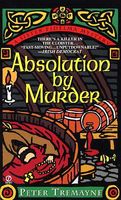
The first book in the series is Absolution by Murder, published in January 1994.
What genre is the Sister Fidelma series?
The series primarily falls into the Historical Mystery genre.
What is the Sister Fidelma series about?
The series is set in 7th-century Ireland during the Golden Age of early Christian Ireland, a time when the island was a center of learning, law, and relative peace compared to the rest of post-Roman Europe. Sister Fidelma is a dálaigh (professional advocate/lawyer) of the Brehon court system and a member of the religious community at the abbey of Ard Fhearta (though she is not a cloistered nun—she is a religieuse who has taken religious vows but retains freedom to travel and practice law). She is also sister to Colgú, king of Muman (Munster), giving her high social status. Fidelma investigates murders, thefts, betrayals, and legal disputes that often have political, religious, or personal ramifications. Cases frequently involve tensions between the Celtic/Irish Christian Church (with its unique practices) and the Roman Church (pushing for uniformity), as well as clan rivalries, inheritance disputes, Viking threats (in later books), and supernatural claims that Fidelma always debunks with logic. She is assisted by Brother Eadulf, a Saxon monk from Wessex who becomes her husband and partner. Together, they travel across Ireland (and occasionally to Britain or Gaul) to solve crimes using Irish Brehon law, keen observation, and Fidelma's sharp intellect. Each book is a standalone mystery, but the series builds a rich ongoing narrative of Fidelma and Eadulf's relationship, their growing family, Fidelma's career, and the gradual Romanization of the Irish church.
Is the Sister Fidelma series finished?
The series does not currently have a new book scheduled.
More Series Like Sister Fidelma
If you enjoyed Sister Fidelma, here are more historical mystery series to explore.