Genre guide

Historical Mystery Books

Browse historical mystery books, authors, and series on FictionDB. Find popular series in order, reader-favorite authors, and related fiction categories.

Top Historical Mystery Series

Start with popular historical mystery series, especially if you want connected books, recurring characters, or a clear reading order.
Popular Historical Mystery Authors

Browse authors frequently associated with historical mystery books and series.

Popular Historical Mystery Books

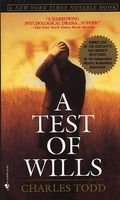
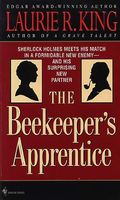
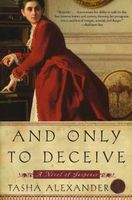
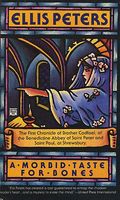
Explore popular historical mystery books from FictionDB’s genre data.
About Historical Mystery

Historical mystery (also called historical whodunit or historical detective fiction) is a subgenre that blends elements of mystery fiction and historical fiction. It features a central crime or puzzle (most often a murder or theft) that must be solved, set in a past time period considered "historical" from the author's perspective -- typically at least 50 years before the book was written, or in an era the author did not live through.

The story revolves around:
- A protagonist (amateur sleuth, detective, monk, lawyer, or other investigator) uncovering clues, interviewing suspects, and solving the mystery through logic, deduction, or period-appropriate methods.
- Authentic historical details that immerse readers in the era, including social norms, customs, technology, politics, clothing, language, and real historical events or figures (often woven in as cameos or context).

Key Characteristics:
- Historical setting as integral -- The time period isn't just backdrop; it influences the plot, motives, evidence, and sleuthing methods (e.g., no modern forensics, fingerprints, or DNA in pre-20th-century stories).
- Accuracy and research -- Authors strive for authenticity in details, though some take creative liberties for drama.
- Tone variety -- Can range from cozy/light-hearted (gentle puzzles in charming historical locales) to gritty/noir (dark, morally complex investigations) to procedural (focusing on period law enforcement).
- Sleuth archetypes -- Often non-traditional detectives like monks, herbalists, journalists, or ordinary citizens who get drawn into crimes.
- Fair play and clues -- Many follow classic mystery rules, presenting clues so readers can try to solve it alongside the character.

Contrast with Other Mystery Subgenres:
Vs. Classic/Traditional Whodunit -- Classics (e.g., Agatha Christie) are usually set in the author's contemporary time; historical mysteries deliberately place the story in the distant past.
Vs. Cozy Mystery -- Many historical mysteries are cozy (low violence, charming settings), but others are darker or more procedural.
Vs. Police Procedural -- Procedurals focus on modern/realistic law enforcement; historical ones adapt "period procedures" (e.g., rudimentary forensics or royal inquiries).
Vs. Pure Historical Fiction -- Historical mysteries prioritize a solvable crime puzzle over broad historical drama or romance.

The genre combines the intellectual puzzle-solving of mysteries with the immersive world-building of historical fiction. It often explores themes like justice, morality, class, gender roles, or societal change through the lens of the past.

Historical mysteries are perfect for readers who love puzzles wrapped in rich, time-travel-like immersion -- transporting you to another era while delivering clever sleuthing. Historical mysteries can be combined with many other subgenres so check out our search page to explore the genre.