Magic Men Books in Order
#
Title
Date
About the Magic Men series
Series Premise
In the early 1950s, Detective Inspector Edgar Stephens works for Brighton Police, a quiet seaside force that suddenly faces a series of murders with theatrical flair. The killings are staged to resemble famous stage illusions—sawing a woman in half, the bullet catch, the vanishing lady, the water torture cell—suggesting the killer is someone with knowledge of magic. Edgar’s past as a member of the wartime Magic Men unit (a group of conjurors who used deception to aid military intelligence) gives him unique insight into the tricks and the people who perform them. He frequently calls on his old friend Max Mephisto, now a successful stage magician, to help decode the illusions and understand the mindset of the murderer. Together they navigate the backstage world of variety theatres, music halls, and fading seaside shows, where rivalries, secrets, and old grudges fester. The crimes often involve performers, stagehands, or audience members, and the solutions hinge on both police procedure and knowledge of magic. Over the series, Edgar and Max’s friendship deepens, their professional worlds collide, and they confront personal demons while exposing killers who hide behind the glamour of the footlights.
Main Characters
Detective Inspector Edgar Stephens: The central protagonist—mid-30s, quiet, thoughtful, and deeply honorable. A former wartime Magic Man, he is now a solid, methodical detective who dislikes the limelight but excels at solving puzzles. He is loyal, introspective, and carries guilt from the war. His friendship with Max is one of the series’ emotional anchors.
- Max Mephisto: Charismatic, elegant stage magician and Edgar’s wartime comrade. Tall, handsome, and effortlessly theatrical, he is a showman with a sharp mind and a hidden melancholy. He performs illusions on stage and in life, and his knowledge of magic is key to cracking the cases.
- Emma Holmes: Edgar’s sergeant (later inspector)—young, intelligent, ambitious, and a rare woman in the police force. She provides a fresh perspective and grows into a strong, capable detective.
- Supporting/recurring:
- Edgar’s family — his wife (later ex-wife) and children.
- Max’s daughter Ruby — a young performer who appears in later books.
- Various theatrical characters — comedians, chorus girls, illusionists, stage managers—who bring color and suspicion to each case.
Setting
The primary setting is Brighton, Sussex, on England’s south coast in the early 1950s—a faded but still glamorous seaside resort famous for its pier, promenade, Regency architecture, and thriving variety theatres. The town is vividly evoked: the pebbled beach, the Royal Pavilion, the West Pier, smoky music halls, boarding houses, and the backstage world of dressing rooms, props, and greasepaint.
Theatres like the Hippodrome, the Palace Pier Theatre, and smaller venues are central—places where illusionists, comedians, dancers, and singers perform nightly to fading crowds. The post-war atmosphere is tangible: rationing has ended, but austerity lingers; optimism and glamour coexist with economic struggle and social change. Occasional excursions take the characters to London, other seaside towns, or rural Sussex, but Brighton and its theatres remain the emotional and atmospheric heart of the series.
Tone & Themes
The tone is elegant, witty, and gently nostalgic—classic British historical mystery with a light touch and sharp intelligence. Griffiths writes with warmth and affection for the era’s entertainment world, balancing suspense with humor and humanity. Murders are gruesome but never gratuitous; the horror lies in the theatrical staging and the psychological motives rather than gore. Dialogue is sparkling and period-appropriate, full of dry British understatement and backstage banter. The series is optimistic and humane: even dark crimes are solved through cleverness, friendship, and compassion, and the characters remain kind-hearted even in grim situations. There is a bittersweet undercurrent—nostalgia for a vanishing way of life (variety theatre, post-war optimism)—but the overall feeling is cozy and reassuring: justice prevails, friendship endures, and the show goes on.
Elly Griffiths’ Magic Men series is a delightful, elegant homage to Golden Age detection wrapped in the fading glamour of 1950s variety theatre. Across eight novels, it delivers clever, atmospheric whodunits that use stage illusions as both plot device and metaphor, while exploring friendship, loyalty, and the quiet heroism of ordinary people facing extraordinary evil. With sparkling dialogue, vivid period detail, and a cast of memorable characters—especially the contrasting duo of thoughtful Edgar and theatrical Max—the series offers intelligent, comforting suspense that never loses its warmth or humanity. Set in the fog and footlights of post-war Brighton, it celebrates the magic of observation, the power of partnership, and the idea that even in a darkening world, the show—and justice—must go on. A perfect blend of nostalgia, mystery, and heart, the Magic Men books remain a standout in historical crime fiction.
FAQ
How many books are in the Magic Men series?
8 books
When will the next book in the series be released?
No new book in the series is currently scheduled. The latest book, The Last Word, was published in April 2024.
When was the most recent book released?
The Last Word was published in April 2024.
What was the first book in the series?
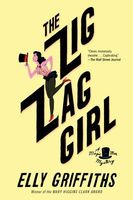
The first book in the series is The Zig Zag Girl, published in September 2015.
What genre is the Magic Men series?
The series primarily falls into the Historical Mystery genre.
What is the Magic Men series about?
In the early 1950s, Detective Inspector Edgar Stephens works for Brighton Police, a quiet seaside force that suddenly faces a series of murders with theatrical flair. The killings are staged to resemble famous stage illusions—sawing a woman in half, the bullet catch, the vanishing lady, the water torture cell—suggesting the killer is someone with knowledge of magic. Edgar’s past as a member of the wartime Magic Men unit (a group of conjurors who used deception to aid military intelligence) gives him unique insight into the tricks and the people who perform them. He frequently calls on his old friend Max Mephisto, now a successful stage magician, to help decode the illusions and understand the mindset of the murderer. Together they navigate the backstage world of variety theatres, music halls, and fading seaside shows, where rivalries, secrets, and old grudges fester. The crimes often involve performers, stagehands, or audience members, and the solutions hinge on both police procedure and knowledge of magic. Over the series, Edgar and Max’s friendship deepens, their professional worlds collide, and they confront personal demons while exposing killers who hide behind the glamour of the footlights.
Is the Magic Men series finished?
The series does not currently have a new book scheduled.
More Series Like Magic Men
If you enjoyed Magic Men, here are more historical mystery series to explore.