Genre guide

Literary Books

Browse literary books, authors, and series on FictionDB. Find popular series in order, reader-favorite authors, and related fiction categories.

Top Literary Series

Start with popular literary series, especially if you want connected books, recurring characters, or a clear reading order.
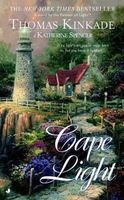
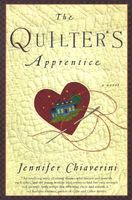
Popular Literary Authors

Browse authors frequently associated with literary books and series.

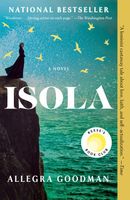
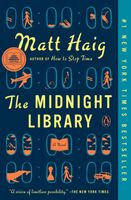
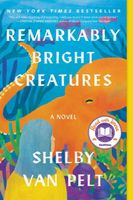
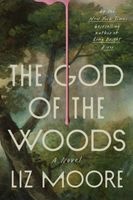
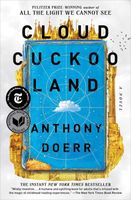
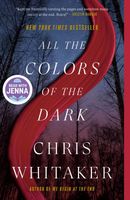
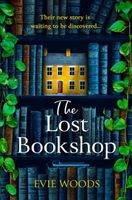
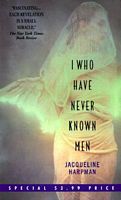
Popular Literary Books

Explore popular literary books from FictionDB’s genre data.
About Literary

Literary fiction (often just called literary fiction or lit fic) is a broad category of fiction that prioritizes character development, prose style, themes, and emotional or intellectual depth over fast-paced plotting, genre conventions, or pure entertainment. It's less a strict "genre" like mystery or romance and more a marketing/literary classification for works considered serious, artistic, or "highbrow" literature. Literary fiction is frequently defined by what it's not -- it's fiction that doesn't neatly fit into plot-driven genre categories (e.g., thriller, sci-fi, romance, fantasy, horror). Instead, it aims to explore the complexities of the human condition, often resembling real life with nuance, ambiguity, and introspection.

Key Characteristics:
- Character-driven -- Protagonists are complex, psychologically realistic, and undergo deep internal change or revelation. The story revolves around their inner lives, relationships, moral dilemmas, or personal growth.
- Emphasis on style and language -- Prose is often elegant, lyrical, experimental, or distinctive. Authors pay close attention to sentence craft, imagery, symbolism, metaphor, and voice -- you can often recognize the writer's unique style.
- Theme-focused -- Explores big, universal ideas like identity, society, morality, loss, power, race, class, gender, existential questions, or social/political issues. Themes are layered and open to interpretation.
- Plot secondary -- Events may be slower-paced, subtle, or understated. Conflict is often internal or interpersonal rather than high-stakes external action. Endings can be ambiguous, bittersweet, or unresolved rather than neatly tied up.
- Realistic or mimetic -- Tends to portray believable, everyday (or heightened real-world) settings and reactions to complex events, using literary devices and experimentation.
- Tone -- Can range from introspective and melancholic to ironic, satirical, or philosophical. Often aims to provoke thought, evoke empathy, or offer insight rather than pure escapism.

Literary fiction overlaps with commercial fiction (literary qualities + broader appeal) and can incorporate elements from any genre while remaining primarily character/theme/style-driven. If a novel feels more concerned with how people think, feel, and change in a richly rendered world -- told through beautiful, thoughtful writing -- than with delivering thrills, romance arcs, mysteries to solve, or fantastical worlds to escape into, it's likely literary fiction. It's the genre (or anti-genre) of "serious" novels that reward close reading and linger in your mind long after.