
Wilderness Books in Order
#
Title
Date
Apr 1995
Sep 1997
How to Read the Wilderness series
Best Read in Order
· Start with Book 1
Standalone stories, but characters and relationships develop across the series.
About the Wilderness series
Series Premise
The series follows Nathaniel "Nate" King, a young New York City accountant who abandons his urban life in 1828 to venture into the vast, unexplored Rocky Mountains with his uncle Zeke, seeking adventure and fortune. What begins as a quest for treasure transforms into a lifelong commitment to the wilderness: Nate masters survival skills, earns the fearsome moniker "Grizzly Killer," falls in love with and marries a Shoshone woman named Winona (often rendered Wi-no-na), builds a cabin in a remote valley (in what becomes Estes Park, Colorado), and raises a family while facing constant perils from nature, wildlife, hostile tribes, rival trappers, outlaws, and personal vendettas. The overarching premise traces the King family's generational saga—Nate's maturation into a legendary frontiersman, his children's coming-of-age struggles, and the passing of wilderness wisdom and values—highlighting themes of resilience, honor, cultural bridging between white settlers and Native peoples, and the enduring pull of freedom versus the comforts of civilization.
Stories typically involve high-stakes conflicts: brutal animal attacks, intertribal warfare, kidnappings, revenge quests, harsh weather, starvation threats, and moral dilemmas, all while Nate and his kin protect their home and loved ones. The narrative celebrates self-reliance, the code of the mountain man, and the quiet joys of family life amid isolation, showing how the wilderness shapes character and forges unbreakable bonds.
Regarding reading order: The series is best read in publication order, which aligns closely with the chronological timeline of events and the characters' aging and family progression, allowing natural buildup of relationships, skills, and recurring elements. While individual books often feature self-contained adventures with satisfying resolutions, sequential reading enhances enjoyment through ongoing character development, family dynamics, and subtle continuity without major cliffhangers or dependencies.
Main Characters
The emotional heart revolves around the King family and their close-knit circle, whose growth spans generations.
Nathaniel "Nate" King, the central protagonist, starts as a naive Easterner but evolves into a legendary mountain man—skilled trapper, expert tracker, formidable fighter, and devoted family head. Honorable, introspective, and unusually literate (he loves reading), Nate values peace and family above all, earning respect through courage and fairness rather than bravado.
Winona (Wi-no-na), his Shoshone wife, is strong, wise, and loving, bridging cultures with grace while raising their children and supporting Nate through countless trials. She embodies resilience and quiet strength.
Shakespeare McNair, Nate's mentor, best friend, and comic-relief companion, is an eccentric, older trapper inspired by historical figures like Jim Bridger and Joe Meek. Bombastic, fond of quoting Shakespeare at dramatic moments, and deeply loyal, he provides wisdom, humor, and backup in adventures.
Their children—son Zach King (fiery, sometimes troubled with violence and personal struggles) and daughter Evelyn (initially drawn to civilization but shaped by wilderness experiences)—grow into key figures, inheriting their parents' values while facing their own quests. Zach's wife and Evelyn's relationships add further layers.
Setting
The series is immersed in the early 19th-century Rocky Mountains, primarily the remote, pristine wilderness of what is now northern Colorado and surrounding regions during the fur-trapping era (starting around 1828). Vast forests, towering peaks, rushing rivers, alpine valleys, and open meadows form the primary landscape, with Nate's valley homestead serving as a recurring anchor—a simple cabin evolving into a family stronghold amid natural splendor. Seasons dictate much of the drama: brutal winters bring snowbound isolation and starvation risks, while summers offer abundance but also increased threats from travelers, raiders, and wildlife.
The environment is vividly alive and dual-natured—breathtaking in sunrises over snow-capped ranges, star-filled nights, and wildflower meadows, yet deadly through grizzly bears, mountain lions, blizzards, avalanches, flash floods, and scarce resources. Native American villages (especially Shoshone), rendezvous gatherings of trappers, remote trails, and occasional forays into emerging settlements add cultural and social texture. The setting feels authentically researched, grounding the adventures in historical frontier reality while evoking a sense of timeless isolation and freedom.
Tone & Themes
The tone is rugged, adventurous, and unflinchingly realistic, capturing the harshness of frontier existence with vivid, sensory detail—blood, sweat, cold, hunger, and violence—while infusing warmth through family affection and moral integrity. Robbins writes in a straightforward, action-oriented style with fast pacing, frequent peril, and graphic depictions of fights, animal encounters, and survival ordeals that keep tension high. Yet the series avoids gratuitous grimness; moments of humor arise from character quirks (especially Shakespeare McNair's bombastic Shakespearean quotes), light-hearted family interactions, and ironic situations amid danger.
Emotional depth comes from themes of loyalty, loss, redemption, and cultural respect, presented without heavy preachiness. Nate's unconventional traits—no heavy drinking, swearing, or tobacco—set a principled tone, emphasizing honor, family devotion, and quiet reflection over rowdy stereotypes of mountain men. The overall vibe is empowering and nostalgic, celebrating human endurance and the timeless appeal of the wild while acknowledging its unforgiving nature, resulting in satisfying, uplifting resolutions even after intense trials.
David Thompson's Wilderness series endures as a monumental tribute to the mountain man era, weaving gripping adventure with heartfelt family saga across decades of frontier life. Through Nate King's transformation and the enduring legacy of his family, the books celebrate courage, love, and the profound bond between people and the wild, while unflinchingly portraying the costs of survival. Readers finish with a deep appreciation for resilience, honor, and the vanishing frontier's beauty, making this epic one of the most immersive and satisfying in Western literature.
FAQ
How many books are in the Wilderness series?
70 books total: 68 main + 2 companion books
When will the next book in the series be released?
No new book is currently scheduled. The latest book, Savage Hearts, was published in November 2014.
When was the most recent book released?
Savage Hearts was published in November 2014.
What was the first book in the series?
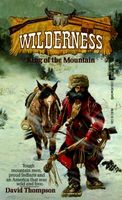
The first book in the series is King of the Mountain, published in August 1990.
What genre is the Wilderness series?
The series primarily falls into the Historical genre.
Do you need to read the Wilderness series in order?
It’s best to read the series in order. Each book has its own story, but ongoing character arcs and relationships develop across the series.
What is the Wilderness series about?
The series follows Nathaniel "Nate" King, a young New York City accountant who abandons his urban life in 1828 to venture into the vast, unexplored Rocky Mountains with his uncle Zeke, seeking adventure and fortune. What begins as a quest for treasure transforms into a lifelong commitment to the wilderness: Nate masters survival skills, earns the fearsome moniker "Grizzly Killer," falls in love with and marries a Shoshone woman named Winona (often rendered Wi-no-na), builds a cabin in a remote valley (in what becomes Estes Park, Colorado), and raises a family while facing constant perils from nature, wildlife, hostile tribes, rival trappers, outlaws, and personal vendettas. The overarching premise traces the King family's generational saga—Nate's maturation into a legendary frontiersman, his children's coming-of-age struggles, and the passing of wilderness wisdom and values—highlighting themes of resilience, honor, cultural bridging between white settlers and Native peoples, and the enduring pull of freedom versus the comforts of civilization. Stories typically involve high-stakes conflicts: brutal animal attacks, intertribal warfare, kidnappings, revenge quests, harsh weather, starvation threats, and moral dilemmas, all while Nate and his kin protect their home and loved ones. The narrative celebrates self-reliance, the code of the mountain man, and the quiet joys of family life amid isolation, showing how the wilderness shapes character and forges unbreakable bonds. Regarding reading order: The series is best read in publication order, which aligns closely with the chronological timeline of events and the characters' aging and family progression, allowing natural buildup of relationships, skills, and recurring elements. While individual books often feature self-contained adventures with satisfying resolutions, sequential reading enhances enjoyment through ongoing character development, family dynamics, and subtle continuity without major cliffhangers or dependencies.
Is the Wilderness series finished?
The series does not currently have a new book scheduled.
More Series Like Wilderness
If you enjoyed Wilderness, here are more historical series to explore.