White Indian Books in Order
#
Title
Date
About the White Indian series
Series Premise
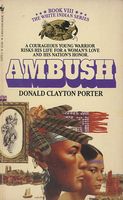
The core premise traces the life of Renno, a white boy of European descent adopted as an infant by the Seneca tribe after tragedy strikes his family, who grows up fully immersed in Seneca culture, becoming a legendary warrior, leader, and bridge between worlds during a time of increasing contact and conflict with European settlers. The saga then follows Renno's descendants across generations, as they navigate alliances, betrayals, intertribal wars, the American Revolution, westward expansion, and the relentless encroachment of white civilization on Native lands, exploring themes of identity, loyalty, cultural survival, and the clash between indigenous traditions and colonial forces.
The series should be read in a particular order—ideally publication sequence, which also aligns with chronological family progression—for the fullest appreciation, as it forms a continuous multi-generational epic with recurring family lines, inherited traits, and cumulative historical events that build across volumes. While some individual books focus on specific eras or characters with self-contained arcs, reading out of order diminishes the emotional impact of legacy, character inheritance (such as recurring names, visions, or warrior skills), and the overarching narrative of one family's endurance through centuries of change.
Main Characters
Renno: The foundational figure and "White Indian"; a white boy raised as Seneca, he becomes a mighty warrior, sachem, and visionary leader with a deep connection to his adopted people; strong, honorable, and torn between worlds, he embodies the series' central theme of cultural identity.
- Ghonkaba and Descendants: Renno's son and subsequent generations (including figures like Renno's heirs, often named with variations like Renno Jr. or carrying the lineage forward); each inherits warrior skills, spiritual visions, or leadership roles, facing their era's unique challenges while preserving family traditions.
- Supporting Family and Tribe: Seneca kin, elders, wives, and children who form the emotional core; they include strong women who endure hardship, young braves learning the ways, and elders offering wisdom, providing continuity and depth to tribal life.
Setting
The setting spans colonial and early American history from the late 17th century through the early 19th century, primarily in the northeastern woodlands and frontier regions of what becomes the United States. Early books root in the traditional territories of the Iroquois Confederacy (especially Seneca lands in present-day New York and Pennsylvania), featuring dense forests, rivers, villages, longhouses, and seasonal hunting grounds where tribal life thrives amid nature's abundance and dangers. As the saga progresses, the landscape expands westward—into the Ohio Valley, Great Lakes region, southern territories, and beyond—incorporating frontier forts, emerging settlements, battlefields of the French and Indian War, Revolutionary War campaigns, and trails of migration or conflict. The environment feels raw and immersive: harsh winters, ambushes in thick woods, canoe journeys on rivers, council fires under stars, and the gradual intrusion of log cabins, roads, and towns symbolizing cultural erosion.
Tone & Themes
The tone is adventurous, dramatic, and often gritty, blending heroic frontier action with poignant cultural tragedy and a sense of historical inevitability. Porter portrays intense battles, raids, personal honor, and survival challenges with vivid, sometimes brutal detail, yet tempers the violence with respect for Native American dignity, family bonds, and moral codes. There's an underlying romanticism in the depiction of wilderness life, tribal loyalty, and the "noble savage" archetype common to the era's frontier fiction, mixed with melancholy over lost ways of life and the unstoppable tide of colonization. Humor is sparse, emerging occasionally in character interactions or ironic situations, while emotional weight comes from themes of loss, divided loyalties, and the struggle to preserve identity amid overwhelming change, creating a sweeping, bittersweet saga that feels both thrilling and elegiac.
The White Indian series by Donald Clayton Porter stands as an epic, multi-generational chronicle of frontier America, capturing the clash of cultures through one family's enduring legacy of strength, honor, and adaptation. With its sweeping historical scope, vivid wilderness action, and poignant exploration of identity amid change, the saga offers immersive adventure and quiet tragedy for readers of classic frontier fiction. Though rooted in the conventions of its time, it celebrates resilience and the unbreakable ties of family and tribe against overwhelming odds. The result is a compelling, nostalgic journey through centuries of American history, where the spirit of the "White Indian" and his descendants endures long after the forests fall silent.
FAQ
How many books are in the White Indian series?
28 books
When will the next book in the series be released?
No new book is currently scheduled. The latest book, Medicine Shield, was published in August 1996.
When was the most recent book released?
Medicine Shield was published in August 1996.
What was the first book in the series?
The first book in the series is White Indian, published in October 1979.
What genre is the White Indian series?
The series primarily falls into the Historical genre.
What is the White Indian series about?
The core premise traces the life of Renno, a white boy of European descent adopted as an infant by the Seneca tribe after tragedy strikes his family, who grows up fully immersed in Seneca culture, becoming a legendary warrior, leader, and bridge between worlds during a time of increasing contact and conflict with European settlers. The saga then follows Renno's descendants across generations, as they navigate alliances, betrayals, intertribal wars, the American Revolution, westward expansion, and the relentless encroachment of white civilization on Native lands, exploring themes of identity, loyalty, cultural survival, and the clash between indigenous traditions and colonial forces. The series should be read in a particular order—ideally publication sequence, which also aligns with chronological family progression—for the fullest appreciation, as it forms a continuous multi-generational epic with recurring family lines, inherited traits, and cumulative historical events that build across volumes. While some individual books focus on specific eras or characters with self-contained arcs, reading out of order diminishes the emotional impact of legacy, character inheritance (such as recurring names, visions, or warrior skills), and the overarching narrative of one family's endurance through centuries of change.
Is the White Indian series finished?
The series does not currently have a new book scheduled.
More Series Like White Indian
If you enjoyed White Indian, here are more historical series to explore.