
Welcome To Harpers Emporium Books in Order
#
Title
Date
About the Welcome To Harpers Emporium series
Series Premise
The core premise follows the lives of the shop girls employed at Harpers Emporium—a luxurious Oxford Street department store symbolizing Edwardian and interwar progress—whose personal stories intertwine with the store's fortunes. Starting in the prosperous pre-WWI era, the women face everyday challenges like romance, marriage, family pressures, and workplace rivalries. As war erupts, the focus shifts to sacrifice, loss, and endurance: husbands and loved ones enlist, the store adapts to shortages and rationing, and the girls contribute through work, volunteering, or personal resilience. Post-war books explore recovery, social shifts (women's changing roles, economic fluctuations), new beginnings, heartbreak, and dreams amid the 1920s' glamour and troubles. Harpers serves as both workplace and community hub—where friendships form, secrets unfold, and support is found—while larger historical backdrops (WWI trenches, armistice celebrations, economic woes) shape individual arcs. The series emphasizes enduring bonds, the strength of women, and how ordinary lives intersect with extraordinary events, with themes of love, loss, courage, and hope prevailing through tears, laughter, and perseverance.
Main Characters
The series centers on the "Harpers Girls," a core group of shop assistants whose lives drive the multi-threaded narrative:
- Sally Harper: Often the central figure, especially later books. Married to store owner/manager Ben Harper, she's strong, capable, and dedicated—juggling family, motherhood, and helping run Harpers through crises. Her arc embodies leadership and quiet heroism.
- Beth: One of the original four, warm and loyal, navigating love, marriage, and personal growth.
- Margaret: Practical and resilient, facing challenges like family issues or wartime strains.
- Rachel: Independent and spirited, with storylines involving romance, decisions about commitment, and adaptation to change.
- Supporting and recurring characters: Include Ben Harper (Sally's husband, store figure), other staff (new girls like Marion, Janice, Becky in later books), family members (children, parents), suitors/soldiers, and community figures. The ensemble grows with marriages, births, and losses, creating a found-family dynamic. Antagonists are subtle—jealous rivals, societal constraints—rather than villains.
Setting
The primary setting is London, specifically the bustling Oxford Street and the opulent Harpers Emporium—a fictional grand department store inspired by real Edwardian retail giants like Selfridges. The emporium features elegant departments (fashion, hats, jewelry, fabrics), tearooms, staff areas, and a sense of glamour amid everyday commerce. Surrounding London includes working-class homes, modest neighborhoods, wartime streets, and post-war social scenes.
The timeline spans 1911 to the late 1920s/early 1930s, capturing Edwardian prosperity, WWI's shadow (blackouts, zeppelin raids, enlistment drives), armistice joy, and 1920s changes (flapper influences, economic recovery, women's evolving freedoms). Settings expand occasionally to rural areas, battlefront mentions via letters, or family homes, but Harpers remains the emotional center—a place of work, camaraderie, and continuity amid flux.
Tone & Themes
The tone is warm, uplifting, and emotionally resonant—classic British historical saga style with heartfelt drama and gentle optimism. Conflicts arise from realistic hardships (war separations, grief, financial strain, romantic betrayals) but resolve through community, loyalty, and inner strength without descending into unrelenting gloom. Clarke balances poignant moments of sadness and sacrifice with joy—weddings, births, friendships, small victories—and humor in everyday interactions. It's comforting and escapist, celebrating resilience and human connections while acknowledging historical pain. Violence or trauma (e.g., war losses) is handled sensitively, focusing on emotional impact rather than graphic detail. The overall feel is nurturing and hopeful, perfect for readers seeking immersive, feel-good historical fiction with depth.
Rosie Clarke's Welcome to Harpers Emporium series is a sweeping, affectionate tribute to women's strength and friendship across turbulent decades, using the vibrant backdrop of a London department store to weave tales of love, endurance, and renewal. From the optimistic hires of 1911 to the hard-won joys of the 1920s, the Harpers Girls navigate life's highs and lows with grace, supported by unbreakable bonds and the emporium's enduring spirit. With 11 heartfelt installments blending historical authenticity, emotional depth, and uplifting resolution, the saga offers comforting escapism and inspiration for readers who cherish multi-generational stories of ordinary heroes. It's a testament to how shared experiences—at work, in war, or in quiet moments—forge lasting connections, making Harpers a place where dreams persist and hearts heal, one chapter at a time.
FAQ
How many books are in the Welcome To Harpers Emporium series?
10 books
When will the next book in the series be released?
The next book in the Welcome To Harpers Emporium series, Duty and Dreams at Harpers, will be published in Jul-2026.
When was the most recent book released?
Troubled Times At Harpers was published in June 2025.
What was the first book in the series?
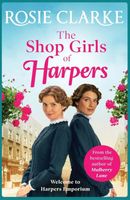
The first book in the series is The Shop Girls of Harpers, published in December 2019.
What genre is the Welcome To Harpers Emporium series?
The series primarily falls into the Historical genre.
What is the Welcome To Harpers Emporium series about?
The core premise follows the lives of the shop girls employed at Harpers Emporium—a luxurious Oxford Street department store symbolizing Edwardian and interwar progress—whose personal stories intertwine with the store's fortunes. Starting in the prosperous pre-WWI era, the women face everyday challenges like romance, marriage, family pressures, and workplace rivalries. As war erupts, the focus shifts to sacrifice, loss, and endurance: husbands and loved ones enlist, the store adapts to shortages and rationing, and the girls contribute through work, volunteering, or personal resilience. Post-war books explore recovery, social shifts (women's changing roles, economic fluctuations), new beginnings, heartbreak, and dreams amid the 1920s' glamour and troubles. Harpers serves as both workplace and community hub—where friendships form, secrets unfold, and support is found—while larger historical backdrops (WWI trenches, armistice celebrations, economic woes) shape individual arcs. The series emphasizes enduring bonds, the strength of women, and how ordinary lives intersect with extraordinary events, with themes of love, loss, courage, and hope prevailing through tears, laughter, and perseverance.
Is the Welcome To Harpers Emporium series finished?
The series is ongoing, with the next book currently scheduled.
More Series Like Welcome To Harpers Emporium
If you enjoyed Welcome To Harpers Emporium, here are more historical series to explore.