Wars of the Roses Books in Order
#
Title
Date
How to Read the Wars of the Roses series
Must Read in Order
· Start with Book 1
Read in order—each book builds directly on the previous one.
This series is best experienced in strict sequential order. The four main novels form a continuous, chronological arc that builds momentum through interconnected events, evolving character arcs, and mounting consequences. Early diplomatic intrigues and personal rivalries lay the groundwork for later battlefield clashes and political upheavals, with recurring figures aging, adapting, or falling as the conflict intensifies. While each volume delivers self-contained battles and dramas, the overarching sweep—from fragile peace to total war and the dawn of a new era—relies on cumulative knowledge of alliances, betrayals, and shifting fortunes. Reading out of sequence would blunt the tragic weight of decisions and the relentless escalation that defines the Wars of the Roses.
About the Wars of the Roses series
Series Premise
The core premise traces the explosive conflict between the rival houses of Lancaster and York as they vie for the English throne amid political instability, foreign entanglements, and personal vendettas. Beginning in the reign of the pious but weak Henry VI, whose frailty leaves a power vacuum, the saga unfolds through broken truces with France, noble rebellions, shifting alliances, and escalating battles that pit cousin against cousin. What starts as courtly maneuvering and diplomatic marriages spirals into open warfare, with kings deposed, queens rising as formidable leaders, and entire families decimated in the quest for supremacy. The narrative captures the slow erosion of order as old oaths shatter, common soldiers suffer the brunt of noble pride, and the red rose of Lancaster clashes with the white rose of York, ultimately paving the way for a new dynasty. Themes of legitimacy, inheritance, and the corrosive nature of unchecked ambition drive the story, showing how personal weaknesses at the top ripple into national catastrophe.
Main Characters
Central to the saga is the weak yet well-intentioned King Henry VI, whose scholarly piety and mental fragility create the initial vacuum that ambitious nobles rush to fill. His formidable wife, Margaret of Anjou, emerges as a fierce and resourceful queen, transforming from political bride to lioness defending her husband's crown and her son's inheritance with unyielding will. On the Yorkist side, Richard, Duke of York, stands as a capable and frustrated claimant whose sense of rightful destiny fuels the opposition. His sons, particularly the charismatic and ruthless Edward (later Edward IV) and the cunning Richard (later Richard III), bring youthful vigor, military prowess, and escalating ambition that reshape the conflict. Fictional spymaster Derry Brewer adds layers of intrigue and pragmatic counsel, serving as a sharp-eyed observer and manipulator in the Lancastrian camp. Supporting and recurring characters enrich the tapestry: William de la Pole, Duke of Suffolk, whose diplomatic efforts spark early unrest; the powerful Earl of Warwick, the "Kingmaker," whose shifting allegiances prove pivotal; staunch Lancastrians like the Percy family; and a host of nobles, soldiers, and commoners whose fates intersect across the battles. These figures—real historical personages fleshed out with psychological depth alongside invented ones—humanize the grand sweep, showing how personal grudges and loyalties propel the wheels of history.
Setting
The setting immerses readers in mid-15th-century England and its continental entanglements, a realm of brooding castles, rain-swept battlefields, and opulent yet treacherous royal courts. From the corridors of Westminster and the Tower of London, where whispers of treason echo, to the muddy fields of St Albans, Towton, and Barnet where thousands clash in brutal melee, the landscape feels palpably alive and dangerous. French territories feature in early diplomatic maneuvers, highlighting the lingering scars of the Hundred Years' War, while English countryside villages and noble estates provide glimpses of life beyond the throne—farmers press-ganged into service, merchants navigating uncertain times, and minor lords choosing sides with fateful consequences. The atmosphere crackles with seasonal hardship, plague shadows, and the constant threat of sudden violence, making the kingdom itself feel like a character on the brink of fracture.
Tone & Themes
The tone is robust and unflinching, blending gritty realism with pulse-pounding excitement. Iggulden writes with the raw energy of a battlefield chronicler: sword clashes ring with visceral detail, political scheming crackles with tension, and quieter moments of reflection reveal the toll on body and soul. There is little romanticization of medieval chivalry; instead, the prose emphasizes mud, blood, exhaustion, and moral ambiguity. Themes center on the fragility of power—how a king's gentle nature or a queen's ferocity can reshape a kingdom—and the devastating cycle of revenge that consumes even the most noble houses. Loyalty is tested at every turn, family bonds fracture under ambition, and the common folk endure the chaos wrought by their betters. Honor, duty, and the heavy burden of legacy intertwine with betrayal and survival, offering a nuanced portrait of leaders who are neither pure heroes nor simple villains but flawed humans shaped by their era.
In the end, Conn Iggulden's Wars of the Roses series is a thunderous chronicle of a kingdom devouring itself, where roses bleed red and white across fields of glory and grief. It captures the intoxicating rush of power and the heartbreaking price paid by those who grasp for it, inviting readers to march alongside kings and queens through betrayal's fog and battle's roar. With masterful strokes, Iggulden revives an era of clashing steel and fractured thrones, reminding us that ambition's fire can forge new dynasties even as it consumes the old. Once swept into this tempest of crowns and kin, the echoes of charging horses and ringing blades linger long after the final page— a vivid testament to the enduring drama of England's bloodiest family feud and the fragile thread that binds history to the human heart.
FAQ
How many books are in the Wars of the Roses series?
4 books
When will the next book in the series be released?
No new book is currently scheduled. The latest book, Ravenspur: Rise of the Tudors, was published in October 2016.
When was the most recent book released?
Ravenspur: Rise of the Tudors was published in October 2016.
What was the first book in the series?
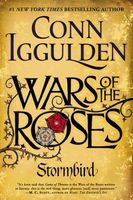
The first book in the series is Stormbird, published in July 2014.
What genre is the Wars of the Roses series?
The series primarily falls into the Historical genre.
Do you need to read the Wars of the Roses series in order?
Yes, the series should be read in order. The books follow a continuous story, starting with Stormbird.
What is the Wars of the Roses series about?
The core premise traces the explosive conflict between the rival houses of Lancaster and York as they vie for the English throne amid political instability, foreign entanglements, and personal vendettas. Beginning in the reign of the pious but weak Henry VI, whose frailty leaves a power vacuum, the saga unfolds through broken truces with France, noble rebellions, shifting alliances, and escalating battles that pit cousin against cousin. What starts as courtly maneuvering and diplomatic marriages spirals into open warfare, with kings deposed, queens rising as formidable leaders, and entire families decimated in the quest for supremacy. The narrative captures the slow erosion of order as old oaths shatter, common soldiers suffer the brunt of noble pride, and the red rose of Lancaster clashes with the white rose of York, ultimately paving the way for a new dynasty. Themes of legitimacy, inheritance, and the corrosive nature of unchecked ambition drive the story, showing how personal weaknesses at the top ripple into national catastrophe.
Is the Wars of the Roses series finished?
The series does not currently have a new book scheduled.
More Series Like Wars of the Roses
If you enjoyed Wars of the Roses, here are more historical series to explore.