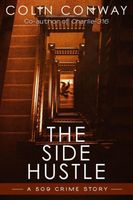
The 509 Crime Stories Books in Order
#
Title
Date
How to Read The 509 Crime Stories series
Mostly Standalone
· Start Anywhere
Mostly standalone stories with recurring characters in a shared setting.
The series offers excellent flexibility: each book functions as a true standalone with its own complete case and resolution, allowing readers to start anywhere without missing critical plot points. Revolving lead characters mean no single detective dominates the entire run, so jumping in at any point works seamlessly. However, reading in publication order enhances the experience through recurring characters' ongoing development, evolving relationships, and occasional callbacks to past events or cases. The interconnected web of detectives and supporting figures grows richer sequentially, rewarding those who follow the sequence while still welcoming newcomers at any entry.
About The 509 Crime Stories series
Series Premise
The series follows homicide detectives and law enforcement personnel in Spokane and the surrounding Inland Northwest as they tackle murders, disappearances, and violent crimes amid the everyday grit of the region. Each installment centers on a new investigation—ranging from the killing of a personal finance influencer to complex schemes involving trust, betrayal, and hidden motives—while exploring the personal toll of the job on those who solve them. Cases often intertwine through recurring characters and subtle cross-references, but the focus remains on standalone stories where justice is pursued doggedly, though not always neatly. The "509" refers to the area's telephone area code, symbolizing the localized, community-centered nature of the crimes and investigations.
Main Characters
The series thrives on its rotating cast of detectives, ensuring fresh perspectives with each book. Early entries feature pairs like Quinn Delaney and Marci Burkett, sharp homicide investigators navigating high-stakes cases and personal dynamics. Other prominent figures include Dallas Nash, a veteran detective grappling with profound loss and quiet mourning, whose introspective nature adds emotional depth. Additional leads emerge across the books—seasoned investigators, newer detectives, and specialists—each bringing unique strengths, flaws, and backstories. Recurring and supporting characters enrich the world: fellow officers, forensic experts, prosecutors, informants, and family members who appear across multiple stories, offering continuity, camaraderie, and occasional comic relief or tension. The ensemble feels like a real department—diverse in experience and personality, bound by shared purpose and the unspoken understanding of the job's burdens—creating a living, breathing investigative community that readers come to know and root for over time.
Setting
The series is firmly anchored in Spokane, Washington, and the broader Inland Northwest—the "509" area code encompassing Eastern Washington. This underappreciated region comes alive with its mix of urban grit, suburban sprawl, rural isolation, and dramatic landscapes: snowy winters, river valleys, sprawling farmlands, and the stark beauty of the high desert. Spokane itself features prominently—its downtown streets, working-class neighborhoods, dive bars, and the Spokane River—providing a backdrop that feels authentic rather than glamorous. Cases often extend into smaller towns or remote areas, highlighting the contrasts between city homicide work and rural crimes, while weather (bitter cold, relentless rain, or summer heat) frequently plays a role in investigations and mood.
Tone & Themes
The tone is gritty, realistic, and unflinching—darkly atmospheric without veering into gratuitous violence, with sharp dialogue, procedural detail, and a dry sense of humor that surfaces in tense moments. Conway avoids melodrama, grounding the stories in believable police work, bureaucratic frustrations, and the quiet toll of constant exposure to human darkness. Themes center on the moral complexities of justice, the personal cost of law enforcement (grief, burnout, strained relationships), redemption and second chances, the ripple effects of crime on families and communities, and the resilience required to keep going in a flawed system. Loyalty among colleagues, the pursuit of truth amid ambiguity, and the understated heroism of everyday detectives run throughout.
The 509 Crime Stories series pulls readers into the raw, unvarnished heart of police work in a corner of America rarely spotlighted, delivering taut mysteries that satisfy while leaving a lingering sense of the human cost behind every solved case. Colin Conway crafts a world where justice is hard-won, characters are compellingly imperfect, and the Inland Northwest itself becomes a silent partner in every investigation. These are stories that grip from the opening crime scene and resonate long after the final page—perfect for anyone who loves procedurals with soul, authenticity, and the quiet power of people who keep showing up to face the darkness. Dive in anywhere, and you'll find yourself returning to the 509 again and again, chasing the next case and the next glimpse into this unforgettable world.
FAQ
How many books are in The 509 Crime Stories series?
21 books total: 19 main + 2 extra stories
When will the next book in the series be released?
The next book in The 509 Crime Stories series, The Lesser Murder, will be published in Jun-2026.
When was the most recent book released?
The Graffiti Conspiracy was published in December 2025.
What was the first book in the series?
The first book in the series is The Side Hustle, published in January 2019.
What genre is The 509 Crime Stories series?
The series primarily falls into the Police Procedural genre.
Do you need to read The 509 Crime Stories series in order?
No, the books do not need to be read in order. Each story stands on its own, but recurring characters and the shared setting connect the series.
What is The 509 Crime Stories series about?
The series follows homicide detectives and law enforcement personnel in Spokane and the surrounding Inland Northwest as they tackle murders, disappearances, and violent crimes amid the everyday grit of the region. Each installment centers on a new investigation—ranging from the killing of a personal finance influencer to complex schemes involving trust, betrayal, and hidden motives—while exploring the personal toll of the job on those who solve them. Cases often intertwine through recurring characters and subtle cross-references, but the focus remains on standalone stories where justice is pursued doggedly, though not always neatly. The "509" refers to the area's telephone area code, symbolizing the localized, community-centered nature of the crimes and investigations.
Is The 509 Crime Stories series finished?
The series is ongoing, with the next book currently scheduled.
More Series Like The 509 Crime Stories
If you enjoyed The 509 Crime Stories, here are more police procedural series to explore.