
Mulberry Lane Books in Order
#
Title
Date
About the Mulberry Lane series
Series Premise
The core premise revolves around the everyday people of Mulberry Lane—a working-class street in London's East End—whose lives intertwine through joys and hardships, from courtship and marriage to births, betrayals, grief, and small triumphs. As the world around them changes dramatically through war, rationing, post-war recovery, and social shifts, the residents support one another in times of crisis, confront personal secrets and family conflicts, and find strength in community bonds while navigating the challenges of love, work, health, and societal expectations. The narratives highlight how ordinary women and men—shopkeepers, housewives, servicemen, young dreamers—face life's big moments with courage, humor, and compassion, often against the backdrop of broader historical events that test their endurance and unity.
The series is best read in a particular order (following publication sequence) to fully appreciate the ongoing character arcs, evolving relationships, family developments, and the natural progression of time across the decades. Each book advances the timeline and builds on previous events—such as marriages, new babies, returns from war, or lingering effects of past struggles—creating a rich, continuous tapestry of life on the lane. While individual entries feature self-contained storylines with satisfying resolutions for specific conflicts or milestones, reading out of sequence may reduce the emotional impact of seeing characters grow, families expand, and long-term friendships deepen over the years.
Main Characters
Peggy Ronaski (née Jackson): A central matriarchal figure; warm-hearted, practical, and fiercely protective of her family and friends, she runs a boarding house or similar hub, serving as the emotional anchor for many on the lane through her kindness and strength.
- Maureen Jackson/Hart: A resilient young woman with a troubled family background; determined, loyal, and often at the heart of romantic and personal challenges, she grows into a pillar of the community.
- Ellie and Other Young Women: Feisty, hopeful younger residents (including shop girls, nurses, or aspiring dreamers) who navigate love, war work, and independence, bringing energy and fresh perspectives.
- The Men of the Lane: Includes servicemen, factory workers, pub landlords, and husbands like supportive partners or flawed figures; many face wartime service, injury, or readjustment, adding depth to themes of loyalty and change.
Setting
The setting is authentically evoked as Mulberry Lane, a fictional but vividly realized terraced street in the working-class East End of London, spanning from the late 1930s through the post-war years and into the 1960s. The lane itself is a close-knit community of modest Victorian houses, small shops (including the corner pub, grocer's, and dressmaker's), backyards, and communal spaces where neighbors share fences, tea, and troubles. The broader East End backdrop includes bustling markets, bomb-damaged streets during the Blitz, ration queues, factories, dance halls, and the ever-present Thames, capturing the grit, camaraderie, and spirit of resilience that defined the area. As the series progresses, the setting evolves with historical accuracy—wartime blackouts and air-raid shelters give way to post-war rebuilding, new housing, emerging youth culture, and the swinging sixties—while always anchoring the stories in the intimate, unchanging heart of the lane itself.
Tone & Themes
The tone is warm, uplifting, and emotionally resonant, blending gentle nostalgia with realistic portrayals of hardship and the quiet heroism of everyday life. Clarke infuses the stories with genuine heart—tender moments of love and friendship, poignant grief, light-hearted banter, and hopeful optimism—even amid darker elements like wartime dangers, illness, betrayal, or economic struggles. There's no overwhelming despair or melodrama; instead, the focus remains on resilience, forgiveness, second chances, and the redemptive power of human connection. Humor emerges naturally through quirky personalities, neighborhood gossip, and the absurdities of daily life, while romantic threads add sweetness without dominating the ensemble feel. Overall, the series feels comforting and affirming, like catching up with old friends, offering readers a sense of warmth, community, and the belief that people can endure and thrive together.
The Mulberry Lane series by Rosie Clarke is a touching, immersive saga that celebrates the unbreakable spirit of community and the quiet beauty of ordinary lives amid extraordinary historical change. Through richly drawn characters and a lovingly detailed East End setting, the books deliver emotional journeys filled with love, laughter, tears, and triumph, making readers feel like part of the neighborhood. It's an ideal choice for fans of heartwarming historical family sagas, offering comfort, nostalgia, and the reassuring message that friendship, family, and perseverance can carry people through even the toughest times. Spanning decades with grace and authenticity, the series leaves a lasting impression of warmth and hope, proving that in the simplest streets, the most profound stories unfold.
FAQ
How many books are in the Mulberry Lane series?
10 books
When will the next book in the series be released?
No new book in the series is currently scheduled. The latest book, Last Orders at Mulberry Lane, was published in February 2024.
When was the most recent book released?
Last Orders at Mulberry Lane was published in February 2024.
What was the first book in the series?
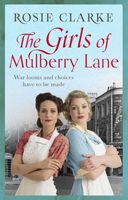
The first book in the series is The Girls of Mulberry Lane, published in August 2017.
What genre is the Mulberry Lane series?
The series primarily falls into the Historical genre.
What is the Mulberry Lane series about?
The core premise revolves around the everyday people of Mulberry Lane—a working-class street in London's East End—whose lives intertwine through joys and hardships, from courtship and marriage to births, betrayals, grief, and small triumphs. As the world around them changes dramatically through war, rationing, post-war recovery, and social shifts, the residents support one another in times of crisis, confront personal secrets and family conflicts, and find strength in community bonds while navigating the challenges of love, work, health, and societal expectations. The narratives highlight how ordinary women and men—shopkeepers, housewives, servicemen, young dreamers—face life's big moments with courage, humor, and compassion, often against the backdrop of broader historical events that test their endurance and unity. The series is best read in a particular order (following publication sequence) to fully appreciate the ongoing character arcs, evolving relationships, family developments, and the natural progression of time across the decades. Each book advances the timeline and builds on previous events—such as marriages, new babies, returns from war, or lingering effects of past struggles—creating a rich, continuous tapestry of life on the lane. While individual entries feature self-contained storylines with satisfying resolutions for specific conflicts or milestones, reading out of sequence may reduce the emotional impact of seeing characters grow, families expand, and long-term friendships deepen over the years.
Is the Mulberry Lane series finished?
The series does not currently have a new book scheduled.
More Series Like Mulberry Lane
If you enjoyed Mulberry Lane, here are more historical series to explore.