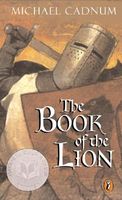
Hubert and Edmund Books in Order
How to Read the Hubert and Edmund series
Must Read in Order
· Start with Book 1
Read in order—each book builds directly on the previous one.
The series is best read in sequential order. The three novels form a continuous narrative arc that traces the protagonists’ growth from eager squires to battle-hardened young knights. Each book builds directly on the events and emotional consequences of the previous one: the first establishes their departure for the crusade and initial experiences in the Holy Land; the second follows their return journey and new challenges in a changing Europe; and the third expands their adventures into further quests involving pilgrimage, political intrigue, and personal redemption. While individual volumes contain self-contained episodes and satisfying dramatic payoffs, the overarching story of friendship, maturation, and the lingering scars of war creates a powerful cumulative effect. Skipping ahead would diminish the emotional weight of character development and the historical progression from the heat of battle to the uneasy peace that follows.
About the Hubert and Edmund series
Series Premise
The core premise follows two teenage squires, Hubert and Edmund, as they leave the relative safety of England to serve as attendants to knights during King Richard the Lionheart’s crusade in the Holy Land. What begins as an opportunity for glory and knighthood quickly becomes a brutal test of survival amid the chaos of battle, siege, disease, and shifting alliances. The boys witness the grandeur and savagery of medieval warfare, navigate courtly intrigue, and grapple with questions of mercy, faith, and loyalty. Their journey extends beyond the crusade itself, carrying them through perilous return voyages, encounters with Byzantine politics, and further quests across Europe. The narrative explores how ordinary young men are forged—or broken—by extraordinary circumstances, with their deep friendship serving as an anchor amid the violence and moral ambiguity of holy war.
Main Characters
At the heart of the series stand the two protagonists whose contrasting personalities create a dynamic and believable friendship. Edmund is the more reflective and idealistic of the pair, often troubled by the violence he witnesses and inclined toward mercy even when it risks his own safety. Hubert, bolder and more pragmatic, possesses a sharper wit and a readiness to act decisively, sometimes ridiculing Edmund’s hesitation while secretly relying on his moral compass. Their bond—marked by loyalty, teasing, and mutual protection—serves as the emotional core, evolving from youthful camaraderie to a profound brotherhood tested by war and its aftermath. They serve under knights such as the formidable Sir Nigel and the harsher Sir Rannulf, whose leadership styles influence the squires’ development. Supporting and recurring characters include fellow crusaders and squires who share the dangers and occasional moments of levity; noblewomen and pilgrims encountered on the road; Byzantine officials and Italian merchants who introduce political complexity; and fleeting figures from the English court or Holy Land battles who highlight the larger forces shaping their lives. King Richard the Lionheart himself appears as a distant, larger-than-life presence whose decisions ripple through the boys’ experiences.
Setting
The setting immerses readers in the richly textured world of the late 12th century. The story opens in medieval England, with its feudal manors, muddy roads, and rigid social hierarchy, before sweeping across the Mediterranean to the sun-scorched deserts, besieged cities, and opulent tents of the Holy Land during the Third Crusade. Later volumes carry the characters through the glittering yet treacherous Byzantine Empire, the rugged Alps, the streets of Rome, and back into the political intrigues of Western Europe. The atmosphere is vividly sensory: the clash of armor and cries of battle, the scent of incense in holy places, the taste of dust and blood, the chill of mountain passes, and the splendor of ancient cities. Cadnum brings the period to life with meticulous historical detail—armor, weaponry, religious observances, and daily hardships—while maintaining accessibility for younger readers. The contrast between the romantic ideal of crusade and its brutal reality heightens the tension and authenticity.
Tone & Themes
Tonally, the books strike a masterful balance between visceral action and thoughtful introspection. Cadnum’s prose is elegant yet unflinching, delivering the thunder of cavalry charges and the intimate horror of hand-to-hand combat alongside quieter moments of doubt, camaraderie, and wonder. The mood is often somber and realistic—war is portrayed as bloody, exhausting, and morally complicated—yet never gratuitously dark, with flashes of dry humor, loyalty, and hard-won hope. The tone matures subtly across the trilogy as the protagonists age and confront increasingly complex ethical dilemmas. Thematically, the series probes the nature of courage and honor in a time when religious zeal and political ambition collide, the bonds of male friendship forged in adversity, the tension between chivalric ideals and battlefield reality, the psychological toll of violence, and the search for meaning after the fervor of crusade fades. Cadnum subtly questions blind fanaticism while celebrating resilience, mercy, and the quiet heroism of staying true to one’s conscience amid chaos.
In the end, the Hubert and Edmund series by Michael Cadnum stands as a powerful coming-of-age saga set against the sweeping backdrop of the Crusades, where glory is stained with blood and true knighthood is measured not by conquest but by compassion and endurance. Cadnum reminds us that history’s grandest adventures are lived by ordinary young men who stumble, question, and ultimately rise to meet impossible demands. These stories grip with the thunder of battle and stir with the quiet strength of friendship, inviting readers to reflect on the timeless cost of war and the enduring light of loyalty. For anyone who craves historical fiction that is both thrilling and thoughtful—where swords clash and consciences wrestle—the trilogy offers an unforgettable journey across seas and centuries, proving that even in the shadow of the Lionheart, two steadfast squires can carve out their own legend of courage and humanity.
FAQ
How many books are in the Hubert and Edmund series?
3 books
When will the next book in the series be released?
No new book is currently scheduled. The latest book, Dragon Throne, was published in May 2005.
When was the most recent book released?
Dragon Throne was published in May 2005.
What was the first book in the series?
The first book in the series is The Book of the Lion, published in March 2000.
What genre is the Hubert and Edmund series?
The series primarily falls into the Historical genre.
Do you need to read the Hubert and Edmund series in order?
Yes, the series should be read in order. The books follow a continuous story, starting with The Book of the Lion.
What is the Hubert and Edmund series about?
The core premise follows two teenage squires, Hubert and Edmund, as they leave the relative safety of England to serve as attendants to knights during King Richard the Lionheart’s crusade in the Holy Land. What begins as an opportunity for glory and knighthood quickly becomes a brutal test of survival amid the chaos of battle, siege, disease, and shifting alliances. The boys witness the grandeur and savagery of medieval warfare, navigate courtly intrigue, and grapple with questions of mercy, faith, and loyalty. Their journey extends beyond the crusade itself, carrying them through perilous return voyages, encounters with Byzantine politics, and further quests across Europe. The narrative explores how ordinary young men are forged—or broken—by extraordinary circumstances, with their deep friendship serving as an anchor amid the violence and moral ambiguity of holy war.
Is the Hubert and Edmund series finished?
The series does not currently have a new book scheduled.
More Series Like Hubert and Edmund
If you enjoyed Hubert and Edmund, here are more historical series to explore.