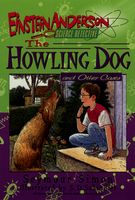

Einstein Anderson, Science Detective Books in Order
Complete reading order for the Einstein Anderson, Science Detective series.
#
Title
Date
How to Read the Einstein Anderson, Science Detective series
Mostly Standalone
· Start Anywhere
Mostly standalone stories with recurring characters in a shared setting.
About the Einstein Anderson, Science Detective series
Series Premise
The series follows Adam "Einstein" Anderson, a bright, confident sixth-grader nicknamed for his encyclopedic knowledge of science and his knack for solving mysteries using logical thinking and scientific facts rather than supernatural or lucky guesses. In each story collection, Einstein encounters everyday puzzles, strange occurrences, or challenges posed by friends, family, classmates, or rivals—problems that seem baffling or impossible at first but are resolved through application of real scientific principles such as optics, sound waves, gravity, biology, weather patterns, or simple physics experiments. Einstein often competes in friendly (or not-so-friendly) riddle contests with his best friend Paloma or tries to outsmart the scheming antagonist Stanley, who attempts to use science for selfish or tricky ends but consistently falls short due to Einstein's superior understanding and quick wit.
The core appeal lies in the "mystery solved by science" format: each case introduces a phenomenon or trick, builds suspense through clues and red herrings, and concludes with Einstein's clear, step-by-step explanation rooted in accurate science, often accompanied by a brief, kid-friendly experiment or fact to reinforce the concept. The narratives emphasize curiosity, observation, critical thinking, and the joy of discovery, showing young readers that science is a powerful tool for understanding the world and debunking illusions or misconceptions.
Regarding reading order: The series can be read in any order, as each book is a self-contained collection of short, independent cases with no overarching plotline, character arcs spanning multiple volumes, or cliffhangers that require prior knowledge. Publication order offers a slight progression in the character's age and the introduction of recurring friends/rivals, but it is not necessary for enjoyment or comprehension, making the books highly flexible for dipping in and out.
Main Characters
The series centers on a small, consistent cast of likable kids whose interactions drive the puzzles and humor.
Adam "Einstein" Anderson, the protagonist, is a sixth-grade science whiz—smart, curious, logical, and endlessly enthusiastic about facts and experiments. Confident yet kind-hearted, he enjoys sharing knowledge, telling jokes, and helping others understand the world. His nickname reflects his idolization of Albert Einstein and his own quick mind; he's the reliable solver who always has a scientific explanation ready.
Paloma, Einstein's best friend (prominent especially in later and revived books), is a clever, supportive girl who matches wits with him in friendly competitions. She often participates in solving cases, tries experiments alongside Einstein, and brings a collaborative spirit, adding balance and friendship dynamics.
Stanley, the recurring rival/antagonist, is a scheming classmate who loves science but uses it to trick others, win bets, or try to outdo Einstein—usually failing comically due to incomplete understanding or overconfidence. His presence adds light conflict and motivation for Einstein to prove points fairly.
Setting
The series is set in a contemporary, small-town or suburban American community—likely inspired by everyday middle-American life—with relatable, familiar locations that ground the science in the real world children know. Most action takes place in everyday environments: school classrooms and playgrounds where classmates pose riddles or challenge Einstein, neighborhood backyards and streets for outdoor experiments or animal observations, homes with kitchens and garages for simple demonstrations, parks, local libraries, or community events. Occasional settings include summer vacation spots, science fairs, or family outings that introduce seasonal or weather-related puzzles.
The backdrop is intentionally ordinary and accessible—no exotic locales or fantastical elements—to emphasize that science mysteries surround us daily in the mundane: a strange shadow on the wall, a howling sound at night, a seeming shrinking object, or unusual lights in the sky. This everyday realism makes the stories immersive for young readers, showing how scientific thinking applies to school, home, friends, and nature, without needing special equipment or far-off adventures.
Tone & Themes
The tone is upbeat, empowering, and playfully educational, designed to spark enthusiasm for science without feeling like a textbook. Seymour Simon writes in a light, conversational style with short chapters, simple language, and frequent corny jokes, puns, and riddles that Einstein loves to share—often groan-worthy but endearing, adding humor and personality to the stories. The mysteries are gentle and age-appropriate: no violence, dark themes, or high-stakes danger, just clever brain-teasers involving optical illusions, animal behavior, weather oddities, or household experiments gone "wrong" in amusing ways.
Suspense builds mildly through the puzzle setup and attempts by others (especially Stanley) to stump Einstein, but the focus remains on intellectual triumph rather than tension. The tone celebrates curiosity and confidence—Einstein is never arrogant, just enthusiastic and helpful—while gently correcting misconceptions and encouraging readers to think like scientists. Humor comes from character interactions, failed tricks, and Einstein's love of wordplay, creating a warm, positive atmosphere that makes learning feel like play. Overall, it's inspiring and reassuring, affirming that anyone can solve problems by asking questions, observing carefully, and applying knowledge.
Seymour Simon's Einstein Anderson, Science Detective series remains a timeless gem in children's literature, masterfully merging mystery-solving fun with genuine science education to inspire young minds. Through Einstein's clever, joke-loving approach to everyday puzzles, the books teach critical thinking, observation, and the excitement of discovery in a way that feels like play rather than instruction. Readers come away empowered, curious, and equipped with real knowledge—ready to spot science in their own world—while enjoying wholesome adventures and laughs that make learning unforgettable.
FAQ
How many books are in the Einstein Anderson, Science Detective series?
9 books
When will the next book in the series be released?
No new book is currently scheduled. The latest book, The Mighty Ants and Other Cases, was published in January 2014.
When was the most recent book released?
The Mighty Ants and Other Cases was published in January 2014.
What was the first book in the series?
The first book in the series is The On-Line Spaceman and Other Cases, published in April 1997.
What genre is the Einstein Anderson, Science Detective series?
The series primarily falls into the Mystery genre.
Do you need to read the Einstein Anderson, Science Detective series in order?
No, the books do not need to be read in order. Each story stands on its own, but recurring characters and the shared setting connect the series.
What is the Einstein Anderson, Science Detective series about?
The series follows Adam "Einstein" Anderson, a bright, confident sixth-grader nicknamed for his encyclopedic knowledge of science and his knack for solving mysteries using logical thinking and scientific facts rather than supernatural or lucky guesses. In each story collection, Einstein encounters everyday puzzles, strange occurrences, or challenges posed by friends, family, classmates, or rivals—problems that seem baffling or impossible at first but are resolved through application of real scientific principles such as optics, sound waves, gravity, biology, weather patterns, or simple physics experiments. Einstein often competes in friendly (or not-so-friendly) riddle contests with his best friend Paloma or tries to outsmart the scheming antagonist Stanley, who attempts to use science for selfish or tricky ends but consistently falls short due to Einstein's superior understanding and quick wit. The core appeal lies in the "mystery solved by science" format: each case introduces a phenomenon or trick, builds suspense through clues and red herrings, and concludes with Einstein's clear, step-by-step explanation rooted in accurate science, often accompanied by a brief, kid-friendly experiment or fact to reinforce the concept. The narratives emphasize curiosity, observation, critical thinking, and the joy of discovery, showing young readers that science is a powerful tool for understanding the world and debunking illusions or misconceptions. Regarding reading order: The series can be read in any order, as each book is a self-contained collection of short, independent cases with no overarching plotline, character arcs spanning multiple volumes, or cliffhangers that require prior knowledge. Publication order offers a slight progression in the character's age and the introduction of recurring friends/rivals, but it is not necessary for enjoyment or comprehension, making the books highly flexible for dipping in and out.
Is the Einstein Anderson, Science Detective series finished?
The series does not currently have a new book scheduled.
More Series Like Einstein Anderson, Science Detective
If you enjoyed Einstein Anderson, Science Detective, here are more mystery series to explore.