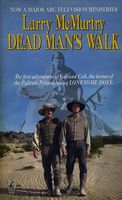

Chronological Lonesome Dove Books in Order
#
Title
Date
How to Read the Chronological Lonesome Dove series
Best Read in Order
· Start with Book 1
Standalone stories, but characters and relationships develop across the series.
The series is most powerfully experienced in its internal chronological order, which aligns with the historical timeline of events and character aging. While each novel functions as a standalone masterpiece with its own compelling arc and resolution—allowing readers to appreciate individual stories without prior knowledge—the full emotional and thematic weight emerges sequentially. Early adventures reveal the origins of lifelong traits and relationships, mid-period triumphs carry the height of their legend, and later tales confront the consequences of those choices, making the progression feel like watching lives unfold naturally across decades. Publication order (starting with the most famous central story) offers a different, rewarding path, but chronology provides the clearest sense of destiny and decline.
About the Chronological Lonesome Dove series
Series Premise
The core premise traces the intertwined fates of a core group of men—primarily the legendary Texas Rangers Augustus "Gus" McCrae and Woodrow F. Call—through their adventurous youth, midlife exploits, and aging years. The stories explore the waning days of the open frontier: from perilous ranger expeditions against Comanche threats and Mexican bandits, through ambitious cattle drives that push into uncharted territories, to the lonely pursuits of justice in a modernizing world where old codes give way to railroads, towns, and law. Personal bonds—especially the deep, complex friendship between Gus and Call—anchor the narrative, tested by adventure, tragedy, betrayal, and the quiet erosion of the life they once knew. Themes of mortality, loyalty, the cost of violence, and the bittersweet pull of progress weave through tales of cattle thievery, Indian wars, pursuit of outlaws, and the search for meaning in a changing landscape.
Main Characters
At the heart stand Gus McCrae and Woodrow Call, the yin and yang of frontier legend. Gus is loquacious, philosophical, woman-loving, and quick with a quip, a natural storyteller whose charm masks deep sensitivity. Call is taciturn, duty-bound, iron-willed, and relentlessly practical, a man who leads by example rather than words. Their lifelong partnership—forged in ranger days and tested through every trial—forms the emotional core. Supporting and recurring figures enrich the saga: the loyal, understated Pea Eye Parker, a steadfast hand; the enigmatic tracker Joshua Deets; the tragic Lorena, whose resilience shines through suffering; Clara Allen, a strong-willed ranch woman; young Newt, whose paternity and future weigh heavily; and antagonists like the fearsome Comanche chief Buffalo Hump or the outlaw Blue Duck, whose menace lingers across eras. A rotating cast of cowboys, whores, settlers, and outlaws adds texture, their fates intertwining to paint a broad portrait of frontier society.
Setting
The setting spans the American Southwest and beyond, primarily the Texas borderlands, the vast prairies, and the high plains. From dusty, sun-baked outposts like the fictional town of Lonesome Dove on the Rio Grande—with its porch-sitting idlers, saloons, and makeshift enterprises—to the endless grasslands of the cattle trail, rugged mountains, and emerging frontier towns. The landscape is a living force: scorching heat, sudden storms, endless horizons, Comanche-haunted rivers, and the slow creep of settlements that signal the end of the wild era. This vivid backdrop mirrors the characters' journeys—open and promising in youth, increasingly confined and nostalgic in age.
Tone & Themes
The tone is richly layered: wry, elegiac, and unflinchingly honest, blending robust humor, bawdy dialogue, and philosophical reflection with moments of stark brutality and profound melancholy. McMurtry's prose is spare yet evocative, capturing both the grandeur of the plains and the intimate absurdities of human nature. Themes center on the fragility of friendship amid hardship, the illusion of control in a vast, indifferent land, the transition from untamed freedom to encroaching civilization, the burdens of leadership and legend, and the quiet heroism found in ordinary endurance. Violence is vivid but purposeful—never glorified—serving to underscore the harsh realities that shaped the West, while humor and warmth humanize even the toughest characters.
In the end, the Chronological Lonesome Dove series is an American masterpiece—a vast, heartbreaking panorama of a vanishing world and the men who lived it fiercely. Larry McMurtry crafts a elegy for the West that is as funny as it is tragic, as tender as it is tough, reminding us that legends are built on ordinary lives, fragile friendships, and the stubborn will to keep moving forward. For anyone seeking the soul of the frontier told with unmatched wisdom and grace, these books ride across the page like a long cattle drive at dawn: epic, unforgettable, and forever echoing in the heart.
FAQ
How many books are in the Chronological Lonesome Dove series?
4 books
When will the next book in the series be released?
No new book is currently scheduled. The latest book, Comanche Moon, was published in November 1997.
When was the most recent book released?
Comanche Moon was published in November 1997.
What was the first book in the series?
The first book in the series is Lonesome Dove, published in June 1985.
What genre is the Chronological Lonesome Dove series?
The series primarily falls into the Historical genre.
Do you need to read the Chronological Lonesome Dove series in order?
It’s best to read the series in order. Each book has its own story, but ongoing character arcs and relationships develop across the series.
What is the Chronological Lonesome Dove series about?
The core premise traces the intertwined fates of a core group of men—primarily the legendary Texas Rangers Augustus "Gus" McCrae and Woodrow F. Call—through their adventurous youth, midlife exploits, and aging years. The stories explore the waning days of the open frontier: from perilous ranger expeditions against Comanche threats and Mexican bandits, through ambitious cattle drives that push into uncharted territories, to the lonely pursuits of justice in a modernizing world where old codes give way to railroads, towns, and law. Personal bonds—especially the deep, complex friendship between Gus and Call—anchor the narrative, tested by adventure, tragedy, betrayal, and the quiet erosion of the life they once knew. Themes of mortality, loyalty, the cost of violence, and the bittersweet pull of progress weave through tales of cattle thievery, Indian wars, pursuit of outlaws, and the search for meaning in a changing landscape.
Is the Chronological Lonesome Dove series finished?
The series does not currently have a new book scheduled.
More Series Like Chronological Lonesome Dove
If you enjoyed Chronological Lonesome Dove, here are more historical series to explore.