
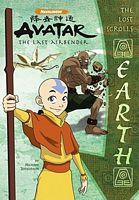
Avatar: The Last Airbender Books in Order
How to Read the Avatar: The Last Airbender series
Mostly standalone stories with recurring characters in a shared setting.
The reading order is generally chronological by the in-universe timeline rather than strict publication order. The novels are largely self-contained but benefit from being read after the animated series, as they assume familiarity with the core characters and events. Within the expanded books, some follow directly after the series finale, while others fill in gaps from earlier periods. Reading them in rough chronological sequence provides the most coherent experience of the world’s progression and character development. However, because many focus on specific characters or time periods, readers can approach them flexibly without losing major plot threads.
About the Avatar: The Last Airbender series
Series Premise
The core premise revolves around the continuing legacy of the Avatar cycle and the delicate balance between the four nations—Air, Water, Earth, and Fire—following the events of the Hundred Year War. The novels expand on the lives of key characters after the war’s end, while also delving into the personal histories and inner lives of figures from earlier eras. They examine how the world heals from a century of conflict, how former enemies learn to coexist, and how the Avatar’s role evolves in a time of fragile peace. Some stories focus on Aang and his friends as they navigate adulthood, leadership, and the challenges of rebuilding society, while others provide intimate looks at supporting characters’ pasts or explore new threats that test the hard-won peace. The books emphasize the human (and spiritual) cost of war and the ongoing work required to maintain harmony in a divided world.
Main Characters
Aang, the last Airbender and current Avatar, remains a central figure in many stories. Now older, he grapples with the immense responsibility of guiding the world toward peace while honoring his Air Nomad roots. Katara, Sokka, Toph, and Zuko continue to appear as key supporting characters, each dealing with the aftermath of war in their own way—whether through leadership, personal healing, or redefining their roles in a changed world. Zuko’s journey as Fire Lord is a particular focus in several books, highlighting his struggle to reform the Fire Nation and earn trust after years of tyranny. Other recurring or expanded characters include Iroh, whose wisdom and compassion continue to guide others; Mai and Ty Lee, who navigate their own paths after the war; and various new or previously minor figures from the four nations who help illustrate the broader impact of peace efforts. The books also introduce or flesh out spiritual beings, past Avatars, and ordinary citizens whose lives intersect with the main cast.
Setting
The setting remains the richly imagined world of Avatar: The Last Airbender, spanning the four nations and their distinct cultures. Stories take place in the Southern Water Tribe as it rebuilds, the Fire Nation during its transition from imperialism, the Earth Kingdom’s vast territories, and the Air Temples as they begin to revive. The landscapes are vividly described—from the icy expanses of the poles to the bustling streets of Republic City (in later stories), from serene spirit forests to war-scarred villages. The environment often mirrors the characters’ internal struggles, with the natural world and spiritual realms playing active roles in the narrative.
Tone & Themes
The tone is thoughtful, emotionally resonant, and often bittersweet, blending adventure with introspection. The writing is warm and character-focused, honoring the spirit of the original series while allowing for more mature reflections on trauma, responsibility, and growth. The mood shifts between hopeful optimism and quiet melancholy, acknowledging that peace is hard-won and imperfect. Themes include healing from the wounds of war; the complexity of forgiveness and reconciliation; the burden of leadership and destiny; the importance of cultural understanding and unity; personal identity beyond one’s role or nation; and the idea that true balance requires ongoing effort, empathy, and sacrifice. The books frequently explore how individuals carry the weight of history while trying to build a better future.
In the end, the Avatar: The Last Airbender expanded universe enriches an already beloved universe by giving voice to the quiet moments, difficult choices, and long-term healing that the animated series could only hint at. These novels honor the original story’s themes of hope, friendship, and balance while daring to show that peace is not a destination but an ongoing, sometimes painful process. For fans who longed to spend more time with Aang, Katara, Zuko, and their friends, the books provide a deeply satisfying continuation that feels both faithful and fresh. They linger like the gentle breeze of an airbender’s glider or the steady warmth of a firebender’s flame — comforting, inspiring, and a powerful reminder that even after the greatest battles, the real work of building a better world begins with compassion, understanding, and the courage to keep trying. In these pages, the Avatar’s legacy lives on not just in grand feats but in the everyday choices of those who refuse to let fear or hatred define the future.
FAQ
50 books
No new book is currently scheduled. The latest book, The Dawn of Yangchen, was published in July 2022.
The Dawn of Yangchen was published in July 2022.
The first book in the series is The Lost Scrolls: Air, published in January 2007.
The series primarily falls into the General Fiction genre.
No, the books do not need to be read in order. Each story stands on its own, but recurring characters and the shared setting connect the series.
The core premise revolves around the continuing legacy of the Avatar cycle and the delicate balance between the four nations—Air, Water, Earth, and Fire—following the events of the Hundred Year War. The novels expand on the lives of key characters after the war’s end, while also delving into the personal histories and inner lives of figures from earlier eras. They examine how the world heals from a century of conflict, how former enemies learn to coexist, and how the Avatar’s role evolves in a time of fragile peace. Some stories focus on Aang and his friends as they navigate adulthood, leadership, and the challenges of rebuilding society, while others provide intimate looks at supporting characters’ pasts or explore new threats that test the hard-won peace. The books emphasize the human (and spiritual) cost of war and the ongoing work required to maintain harmony in a divided world.
The series does not currently have a new book scheduled.