Inspector George Felse Books in Order
#
Title
Date
How to Read the Inspector George Felse series
Best Read in Order
· Start with Book 1
Standalone stories, but characters and relationships develop across the series.
The reading order of the series is best followed in publication sequence for the richest experience, although the books can largely be enjoyed as standalones. The novels are connected through the Felse family and the recurring setting of Midshire, with subtle references to prior cases and personal developments that build a sense of continuity. Sequential reading allows the full appreciation of George’s growth as an officer, Dominic’s maturation from boy to young man, and the evolving dynamics within their family and community. However, each book presents a self-contained mystery with its own crime, investigation, and resolution, so new readers can start with almost any title without confusion. The episodic nature of the cases, combined with the gentle character progression, makes order flexible for casual fans while rewarding chronological reading with deeper emotional resonance.
About the Inspector George Felse series
Series Premise
The premise centers on Inspector George Felse of the Midshire Constabulary and the various murder investigations he undertakes in the English countryside. Each story typically begins with a seemingly ordinary death or disappearance that gradually reveals layers of long-buried secrets, family tensions, and moral dilemmas. While George leads the official investigation, his teenage son Dominic often becomes involved as an observant and intuitive amateur, providing a youthful perspective that complements his father’s methodical approach. The narratives blend traditional police procedure with subtle psychological insight, showing how crimes ripple through tight-knit communities and force characters to confront uncomfortable truths about themselves and their neighbors.
Main Characters
The central characters are Inspector George Felse and his son Dominic Felse. George is a thoughtful, dedicated, and principled police officer who approaches his work with quiet determination and a strong sense of fairness. He is neither flashy nor infallible, but his integrity and empathy make him a compelling protagonist. Dominic, who begins the series as a bright and observant teenager, grows into a thoughtful young man whose youthful perspective and moral curiosity often provide crucial insights. Their father-son relationship is one of the series’ greatest strengths, offering warmth, mutual respect, and occasional generational tension.
Setting
The setting is the fictional county of Midshire in the English Midlands, a rural and semi-rural landscape of rolling hills, small villages, ancient churches, and close-knit communities. The area feels timeless yet grounded in mid-20th-century Britain, with its quiet lanes, modest homes, local pubs, and the ever-present influence of history and tradition. Peters uses the setting to heighten the sense of insularity and interconnectedness—where everyone knows everyone else’s business, yet secrets can remain hidden for years. The natural beauty of the countryside often contrasts with the darkness of the crimes, creating a compelling tension that underscores the stories’ moral themes.
Tone & Themes
The tone is thoughtful, atmospheric, and quietly compassionate, characterized by Peters’ elegant, measured prose and a deep respect for human complexity. There is a subtle undercurrent of dry humor and gentle irony, but the overall mood is reflective rather than sensational. The writing avoids graphic violence, focusing instead on the moral and emotional consequences of crime. The overall theme explores the nature of justice and mercy, the long shadow of the past on the present, the importance of community and personal integrity, and the idea that even seemingly ordinary people are capable of both great good and profound harm. Stories examine forgiveness, the complexities of family relationships, the tension between duty and compassion, and the belief that true understanding often requires looking beyond surface appearances to the humanity beneath.
In conclusion, the Inspector George Felse series by Ellis Peters delivers intelligent, humane crime fiction that rewards readers with its moral depth, elegant writing, and authentic portrayal of community life. With its thoughtful tone, compelling father-son dynamic, and exploration of justice, forgiveness, and human frailty, the books offer a refreshing alternative to more sensational detective stories. For fans of classic British mysteries who appreciate character-driven procedurals and a strong sense of place, this series remains a quiet gem. Peters reminds us that crime is never abstract—it affects real people in real communities—and that the pursuit of truth requires not only skill but also compassion and self-awareness. The Felse series stands as a testament to the idea that even in the quietest corners of England, the battle between good and evil plays out with profound personal consequences. Whether encountering George and Dominic for the first time or following their full journey through Midshire, readers will find themselves immersed in stories that linger long after the final page, leaving a lasting appreciation for the quiet courage of those who seek justice with both heart and mind.
FAQ
How many books are in the Inspector George Felse series?
13 books
When will the next book in the series be released?
No new book is currently scheduled. The latest book, Rainbow's End, was published in January 1978.
When was the most recent book released?
Rainbow's End was published in January 1978.
What was the first book in the series?
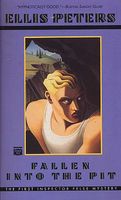
The first book in the series is Fallen into the Pit, published in January 1951.
What genre is the Inspector George Felse series?
The series primarily falls into the Police Procedural genre.
Do you need to read the Inspector George Felse series in order?
It’s best to read the series in order. Each book has its own story, but ongoing character arcs and relationships develop across the series.
What is the Inspector George Felse series about?
The premise centers on Inspector George Felse of the Midshire Constabulary and the various murder investigations he undertakes in the English countryside. Each story typically begins with a seemingly ordinary death or disappearance that gradually reveals layers of long-buried secrets, family tensions, and moral dilemmas. While George leads the official investigation, his teenage son Dominic often becomes involved as an observant and intuitive amateur, providing a youthful perspective that complements his father’s methodical approach. The narratives blend traditional police procedure with subtle psychological insight, showing how crimes ripple through tight-knit communities and force characters to confront uncomfortable truths about themselves and their neighbors.
Is the Inspector George Felse series finished?
The series does not currently have a new book scheduled.
More Series Like Inspector George Felse
If you enjoyed Inspector George Felse, here are more police procedural series to explore.