Easy Rawlins Books in Order
#
Title
Date
How to Read the Easy Rawlins series
Best Read in Order
· Start with Book 1
Standalone stories, but characters and relationships develop across the series.
About the Easy Rawlins series
Series Premise
The series tracks Easy Rawlins across decades, from the late 1940s into the late 1960s and beyond, as he evolves from a hardworking, family-oriented everyman into a skilled, street-smart private investigator who solves crimes that official police forces often ignore or mishandle—particularly those affecting Black communities. Cases frequently involve missing persons, murders, political intrigue, or personal vendettas that pull Easy into dangerous intersections of white power structures, organized crime, and racial tensions, forcing him to use his wartime instincts, neighborhood connections, and moral compass to uncover truth amid deception and danger.
Easy's investigations serve as a lens for broader societal shifts: postwar economic opportunities clashing with persistent segregation, McCarthy-era paranoia, civil rights struggles, urban unrest, and the counterculture's rise. Through it all, he wrestles with personal responsibilities—protecting loved ones, maintaining integrity in a corrupt world, and reconciling his Southern upbringing with urban realities—while relying on a circle of loyal, often volatile allies to survive threats from criminals, cops, and powerful figures who underestimate him.
Regarding reading order: The series is best read in publication order, which aligns closely with the chronological timeline of Easy's life and historical events, allowing natural progression in his aging, relationships, career shifts, and the evolving social landscape of Los Angeles. While most books feature self-contained mysteries with satisfying resolutions, reading sequentially enhances appreciation for character development, recurring friendships, and cumulative emotional weight without major spoilers or confusion.
Main Characters
The series centers on Ezekiel "Easy" Rawlins, a complex, deeply human protagonist whose voice and perspective anchor the stories. A Texas-born WWII veteran, Easy is resourceful, principled, and haunted—wary of authority yet compelled by conscience to act when others won't. He starts as a reluctant sleuth, taking jobs for money or favors, but grows into a skilled detective who navigates white and Black worlds with caution and cunning. His internal monologues reveal a man balancing survival instincts with moral integrity, family devotion, and quiet rage at injustice.
Raymond "Mouse" Alexander, Easy's childhood friend and recurring ally, is a charismatic, volatile force—fearless, deadly when crossed, and fiercely loyal. His unpredictability adds tension and humor, contrasting Easy's more measured approach while highlighting themes of friendship and danger.
Setting
The series is deeply rooted in Los Angeles, particularly the Black neighborhoods of Watts, South Central, and Central Avenue, from the late 1940s through the turbulent 1960s and into the 1970s. Early stories evoke postwar boom times: defense plants giving way to suburban sprawl, jazz clubs on Central Avenue pulsing with life, segregated housing, and the promise—and betrayal—of the American Dream for returning Black veterans. As decades progress, settings reflect seismic changes: the Watts riots of 1965, the rise of hippie culture on the Sunset Strip, political assassinations, and urban decay amid civil rights struggles.
Mosley paints LA vividly—smoggy skies, palm-lined streets contrasting rundown blocks, smoky bars, modest homes in working-class areas, and elite white enclaves where power hides corruption. The city itself emerges as a character: seductive yet treacherous, offering opportunity while enforcing racial boundaries through redlining, police brutality, and economic exclusion. Historical events ground the narratives, making the setting a living backdrop that shapes every case and personal dilemma.
Tone & Themes
Mosley's tone is gritty, introspective, and unflinchingly realistic, blending classic hard-boiled noir with lyrical prose and sharp social observation. The writing is economical yet evocative—short, punchy sentences for action and tension, richer passages for Easy's inner reflections on race, identity, and morality—creating a rhythm that feels both urgent and contemplative. Violence and peril are vivid and consequential, never glorified, often tied to systemic injustice rather than random chaos.
Humor surfaces in Easy's wry observations, street-smart banter, and ironic encounters, providing relief amid darkness without undercutting seriousness. Emotional depth runs deep: grief over lost friends, guilt from moral compromises, quiet pride in survival, and cautious hope for change. The tone matures across decades—early books capture postwar optimism shadowed by racism, later ones grapple with disillusionment, unrest, and personal reckonings—yet maintains a core of resilience and humanity. It's compelling and thought-provoking, affirming that truth-seeking in an unfair world demands courage, cunning, and conscience.
Walter Mosley's Easy Rawlins series stands as a profound achievement in crime fiction, masterfully weaving gripping mysteries with incisive commentary on race, power, and resilience in America. Through Easy's eyes, readers traverse decades of Los Angeles history, witnessing both the promise and betrayal of progress while rooting for a hero who survives—and sometimes thrives—by staying true to his code amid corruption and chaos. The books deliver thrilling plots, unforgettable characters, and lasting insights, leaving readers with a deeper understanding of the human cost of injustice and the quiet strength required to confront it.
FAQ
How many books are in the Easy Rawlins series?
17 books
When will the next book in the series be released?
No new book in the series is currently scheduled. The latest book, Gray Dawn, was published in September 2025.
When was the most recent book released?
Gray Dawn was published in September 2025.
What was the first book in the series?
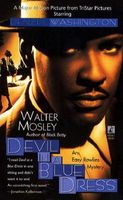
The first book in the series is Devil in a Blue Dress, published in June 1990.
What genre is the Easy Rawlins series?
The series primarily falls into the Private Investigator genre.
Do you need to read the Easy Rawlins series in order?
It’s best to read the series in order. Each book has its own story, but ongoing character arcs and relationships develop across the series.
What is the Easy Rawlins series about?
The series tracks Easy Rawlins across decades, from the late 1940s into the late 1960s and beyond, as he evolves from a hardworking, family-oriented everyman into a skilled, street-smart private investigator who solves crimes that official police forces often ignore or mishandle—particularly those affecting Black communities. Cases frequently involve missing persons, murders, political intrigue, or personal vendettas that pull Easy into dangerous intersections of white power structures, organized crime, and racial tensions, forcing him to use his wartime instincts, neighborhood connections, and moral compass to uncover truth amid deception and danger. Easy's investigations serve as a lens for broader societal shifts: postwar economic opportunities clashing with persistent segregation, McCarthy-era paranoia, civil rights struggles, urban unrest, and the counterculture's rise. Through it all, he wrestles with personal responsibilities—protecting loved ones, maintaining integrity in a corrupt world, and reconciling his Southern upbringing with urban realities—while relying on a circle of loyal, often volatile allies to survive threats from criminals, cops, and powerful figures who underestimate him. Regarding reading order: The series is best read in publication order, which aligns closely with the chronological timeline of Easy's life and historical events, allowing natural progression in his aging, relationships, career shifts, and the evolving social landscape of Los Angeles. While most books feature self-contained mysteries with satisfying resolutions, reading sequentially enhances appreciation for character development, recurring friendships, and cumulative emotional weight without major spoilers or confusion.
Is the Easy Rawlins series finished?
The series does not currently have a new book scheduled.
More Series Like Easy Rawlins
If you enjoyed Easy Rawlins, here are more private investigator series to explore.