
Amelia Peabody Books in Order
#
Title
Date
About the Amelia Peabody series
Series Premise
Amelia Peabody, a fiercely independent, suffragist Englishwoman and heiress, rejects Victorian spinsterhood in 1884 to pursue her passion for Egyptology. Using her inheritance, she travels to Egypt for adventure and scholarship. There she meets archaeologist Radcliffe Emerson (known simply as "Emerson"), his brother Walter, and others, sparking romance and lifelong partnerships. Amelia marries Emerson, and together they excavate sites while solving murders, thwarting villains (tomb robbers, spies, cultists, colonial schemers), and protecting artifacts from looters or supernatural claims (often debunked rationally). Each book is a self-contained mystery—poisonings, kidnappings, curses (explained away), or political intrigues—tied to their digs (e.g., pyramids, tombs, Luxor, Amarna). Amelia narrates early books in her prim, opinionated journal style (first-person, with footnotes and asides), shifting later to third-person multi-POV as family expands. Overarching arcs include family growth (son Ramses's precocity turning to heroism), ongoing rivalries (e.g., with antiquities officials or rivals like Sethos), World War I impacts, and the Tutankhamun discovery era. Themes celebrate rationalism, feminism, anti-colonialism (subtly critiquing British imperialism), and the thrill of discovery, parodying adventure tropes like those in H. Rider Haggard.
Main Characters
> Amelia Peabody Emerson: Protagonist/narrator (early books)—indomitable, parasol-wielding feminist Egyptologist. Practical, outspoken, adventurous; champions women's rights and rational inquiry. Marries Emerson; becomes mother, mentor, detective.
> Radcliffe Emerson ("Emerson"): Amelia's husband—brilliant, hot-tempered archaeologist ("Father of Curses" to workers). Gruff exterior hides devotion; clashes with officials over ethical digs.
> Walter "Ramses" Emerson: Their precocious son (introduced young, grows to adulthood)—polyglot genius, master of disguise, adventurer. Evolves from child prodigy to heroic young man; central in later books.
> Evelyn Barton-Forbes (later Emerson): Amelia's companion in book 1—gentle, artistic; marries Walter Emerson (Radcliffe's brother).
> Walter Emerson: Radcliffe's scholarly brother—philologist; quieter counterpart.
> Sethos (aka "the Master Criminal"): Recurring enigmatic antagonist/ally—master thief, spy; complex rivalry/attraction with Amelia.
> Supporting/Recurring: Nefret (adopted daughter, fierce archaeologist); David (Ramses's friend); Sennia (adopted child); Abdullah (faithful reis); historical figures (Petrie, Carter); villains (tomb robbers, spies). The expanding "family" forms a loyal, eccentric ensemble.
Setting
Late 19th/early 20th-century Egypt (primarily 1884–1923), during British occupation and the "golden age" of archaeology. Key locales: Cairo (bustling bazaars, Shepheard's Hotel), the Nile (dahabiyahs for travel), Luxor/Thebes (Valley of the Kings, temples), Giza pyramids, Amarna, and remote digs. Settings evoke vivid exoticism—blazing sun, shifting sands, ancient ruins, crowded souks, colonial society (British officials, tourists, fellahin workers)—while grounding in historical accuracy (Mertz's expertise shines in excavation details, period politics, Tut's tomb era). Occasional England scenes contrast stuffy Victorian society with Egypt's freedom. The world feels immersive: seasonal Nile floods, dust storms, Ramadan, WWI tensions add texture.
Tone & Themes
Wryly comic, adventurous, and delightfully irreverent—Victorian pastiche with modern wit. Amelia's narration is pompous yet self-aware ("Another dead body. Every year it is the same."), full of dry humor, feminist commentary, and affectionate mockery of era conventions. The tone mixes light-hearted parody (mummies, curses debunked), thrilling escapades (chases across dunes, kidnappings), steamy-but-tasteful romance (Emerson-Amelia banter is legendary), and intellectual charm (detailed Egyptology without dryness). Mysteries are clever whodunits with red herrings and satisfying reveals, never too dark—violence is off-page or mild, focusing on puzzles, character quirks, and family warmth. It's empowering and fun: Amelia is unflappable, heroes are flawed but honorable, and justice prevails with humor and heart. Readers call it "addictive comfort reading" with brains and banter.
The Amelia Peabody series is a sparkling gem of historical mystery—witty, erudite, and endlessly entertaining. Elizabeth Peters (Barbara Mertz) masterfully weaves Egyptology, feminism, romance, and clever whodunits into adventures that parody Victorian tropes while celebrating discovery and strong women. Spanning 20 books, it delivers family warmth, intellectual fun, and satisfying justice amid Nile sands and ancient wonders. A timeless favorite for cozy-history fans craving brains, banter, and a parasol-wielding heroine who fearlessly faces mummies, villains, and Victorian propriety alike.
FAQ
How many books are in the Amelia Peabody series?
20 books
When will the next book in the series be released?
No new book is currently scheduled. The latest book, The Painted Queen, was published in July 2017.
When was the most recent book released?
The Painted Queen was published in July 2017.
What was the first book in the series?
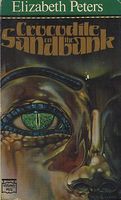
The first book in the series is Crocodile on the Sandbank, published in April 1975.
What genre is the Amelia Peabody series?
The series primarily falls into the Historical Mystery genre.
What is the Amelia Peabody series about?
Amelia Peabody, a fiercely independent, suffragist Englishwoman and heiress, rejects Victorian spinsterhood in 1884 to pursue her passion for Egyptology. Using her inheritance, she travels to Egypt for adventure and scholarship. There she meets archaeologist Radcliffe Emerson (known simply as "Emerson"), his brother Walter, and others, sparking romance and lifelong partnerships. Amelia marries Emerson, and together they excavate sites while solving murders, thwarting villains (tomb robbers, spies, cultists, colonial schemers), and protecting artifacts from looters or supernatural claims (often debunked rationally). Each book is a self-contained mystery—poisonings, kidnappings, curses (explained away), or political intrigues—tied to their digs (e.g., pyramids, tombs, Luxor, Amarna). Amelia narrates early books in her prim, opinionated journal style (first-person, with footnotes and asides), shifting later to third-person multi-POV as family expands. Overarching arcs include family growth (son Ramses's precocity turning to heroism), ongoing rivalries (e.g., with antiquities officials or rivals like Sethos), World War I impacts, and the Tutankhamun discovery era. Themes celebrate rationalism, feminism, anti-colonialism (subtly critiquing British imperialism), and the thrill of discovery, parodying adventure tropes like those in H. Rider Haggard.
Is the Amelia Peabody series finished?
The series does not currently have a new book scheduled.
More Series Like Amelia Peabody
If you enjoyed Amelia Peabody, here are more historical mystery series to explore.