87th Precinct Books in Order
#
Title
Date
About the 87th Precinct series
Series Premise
The series follows the detectives of the 87th Precinct squad in the fictional city section of Isola, a densely populated, high-crime urban district modeled closely on New York City. Each novel centers on one or more homicide or major crime investigations handled by the squad, emphasizing the procedural grind: canvassing witnesses, interrogating suspects, forensic analysis, paperwork, jurisdictional squabbles, and the slow accumulation of evidence that leads to arrests. Cases range from straightforward murders to complex conspiracies, serial killings, domestic violence, robberies gone wrong, and occasional psychological or "impossible" puzzles. The premise treats the police as ordinary men (and later women) doing a difficult job amid bureaucracy, public distrust, personal lives, and the city's relentless crime rate—Isola is depicted as having the highest crime rate and busiest fire department in the city. McBain often uses multiple viewpoints, including victims, perpetrators, and bystanders, to build suspense and humanize the process. The squad's work is collaborative: no single hero solves every case alone. Investigations unfold realistically—false leads, dead ends, coincidences, and luck play roles alongside skill. Over the long run, the series tracks character growth, marriages, promotions, tragedies, and the toll of the job, while reflecting societal changes (racial tensions, drug epidemics, evolving forensics, and shifting laws) from the 1950s to the early 2000s.
Main Characters
The series thrives on its ensemble cast of detectives at the 87th Squad, with no single protagonist dominating every book.
Detective Steve Carella is the closest to a central figure: honest, dedicated, Italian-American, married to deaf-mute Teddy Carella (a strong, supportive presence). Intelligent, patient, and family-oriented, he's often at the heart of cases and provides emotional continuity.
Detective Meyer Meyer is the wry, philosophical, bald-headed veteran: Jewish, endlessly patient (his name a lifelong joke), and a voice of reason with sharp humor.
Detective Cotton Hawes joins later: red-haired, initially resented, but becomes a reliable, tough partner.
Detective Bert Kling starts as a rookie: ambitious, idealistic, and grows through personal tragedies (widowed early) into a seasoned cop.
Detective Hal Willis is short, judo-expert, and quick-witted.
Detective Arthur Brown is a solid, dependable family man.
Lieutenant Peter Byrnes commands the squad: gruff, fair, and paternal.
Other recurring figures include medical examiner, forensics experts, uniformed officers, and civilian characters (witnesses, informants, victims' families). The squad functions as a found-family—banter, loyalty, and shared burdens define them.
Setting
The setting is Isola, the central, most densely populated fictional borough of a large unnamed city clearly based on New York City (with elements of Manhattan, Brooklyn, and the Bronx). The 87th Precinct covers a high-crime urban district with bustling streets, tenements, skyscrapers, parks, docks, and diverse neighborhoods—Italian, Jewish, Black, Hispanic, immigrant enclaves—reflecting mid-20th-century New York demographics.
The precinct house itself is a recurring hub: a busy, understaffed squad room filled with ringing phones, coffee, cigarette smoke (early books), typewriters (later computers), and the constant hum of police work. Investigations move through city streets, apartments, bars, alleys, hospitals, morgues, and courtrooms. Weather (snowy winters, sweltering summers) and seasonal details add atmosphere. The city is alive and relentless—crime never sleeps, and neither do the detectives.
Tone & Themes
The tone is realistic, gritty, and matter-of-fact—cool, observational, and unsentimental, yet deeply humanistic. McBain avoids melodrama or glorification of violence; crimes are presented straightforwardly, with focus on procedure, evidence, and the emotional/psychological impact on victims, suspects, and cops alike. Dialogue is sharp, street-smart, and laced with dry wit, sarcasm, and gallows humor that lightens grim moments without trivializing them. The mood is urban and cynical about human nature—crime is commonplace, motives mundane (greed, jealousy, desperation)—but the detectives' professionalism and quiet decency provide moral grounding. Early books feel taut and noir-ish; later ones grow more expansive, introspective, or experimental (e.g., shifting perspectives, stylistic flourishes). Overall, it's procedural realism at its finest: intelligent, compassionate, and unflinching, appealing to readers who value authenticity over sensationalism.
Ed McBain's 87th Precinct series endures as a landmark in crime fiction, delivering 55 meticulously crafted police procedurals that humanize the grind of urban detective work across nearly 50 years. Set in the fictional yet vividly realized Isola, the books follow the dedicated men of the 87th Squad—led by Steve Carella, Meyer Meyer, and their colleagues—as they navigate murders, mayhem, and moral gray zones in a city that never sleeps. With its realistic procedures, sharp dialogue, ensemble depth, and unflinching look at humanity's darker impulses, the series pioneered the modern procedural and influenced generations of writers. Whether solving a single homicide or unraveling complex conspiracies, the detectives' quiet professionalism and camaraderie shine through. For readers seeking intelligent, character-rich mysteries grounded in authenticity, the 87th Precinct remains essential—proof that the best crime stories aren't always about genius detectives, but about ordinary cops doing extraordinary work, one case at a time.
FAQ
How many books are in the 87th Precinct series?
55 books
When will the next book in the series be released?
No new book is currently scheduled. The latest book, Fiddlers , was published in September 2005.
When was the most recent book released?
Fiddlers was published in September 2005.
What was the first book in the series?
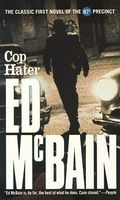
The first book in the series is Cop Hater, published in January 1956.
What genre is the 87th Precinct series?
The series primarily falls into the Police Procedural genre.
What is the 87th Precinct series about?
The series follows the detectives of the 87th Precinct squad in the fictional city section of Isola, a densely populated, high-crime urban district modeled closely on New York City. Each novel centers on one or more homicide or major crime investigations handled by the squad, emphasizing the procedural grind: canvassing witnesses, interrogating suspects, forensic analysis, paperwork, jurisdictional squabbles, and the slow accumulation of evidence that leads to arrests. Cases range from straightforward murders to complex conspiracies, serial killings, domestic violence, robberies gone wrong, and occasional psychological or "impossible" puzzles. The premise treats the police as ordinary men (and later women) doing a difficult job amid bureaucracy, public distrust, personal lives, and the city's relentless crime rate—Isola is depicted as having the highest crime rate and busiest fire department in the city. McBain often uses multiple viewpoints, including victims, perpetrators, and bystanders, to build suspense and humanize the process. The squad's work is collaborative: no single hero solves every case alone. Investigations unfold realistically—false leads, dead ends, coincidences, and luck play roles alongside skill. Over the long run, the series tracks character growth, marriages, promotions, tragedies, and the toll of the job, while reflecting societal changes (racial tensions, drug epidemics, evolving forensics, and shifting laws) from the 1950s to the early 2000s.
Is the 87th Precinct series finished?
The series does not currently have a new book scheduled.
More Series Like 87th Precinct
If you enjoyed 87th Precinct, here are more police procedural series to explore.