Lady Julia Grey Books in Order
#
Title
Date
About the Lady Julia Grey series
Series Premise
The series begins in 1886 with Lady Julia Grey, a 28-year-old widow living quietly in London after the sudden death of her husband, Sir Edward Grey. When a mysterious note arrives suggesting Edward was murdered, Julia—initially reluctant—teams up with Nicholas Brisbane, a brooding private inquiry agent hired by her late husband before his death. Their investigation uncovers secrets within her own family and society, launching Julia on a path of amateur detection.
The overarching premise follows Julia as she evolves from a sheltered, conventional aristocrat into a bold, independent investigator who defies Victorian gender norms. Each book features a standalone mystery—poisonings, disappearances, blackmail, theatrical scandals, or political intrigue—but builds on Julia's personal journey: her growing confidence, her complicated romance with Brisbane (marked by tension, misunderstandings, and slow-burning passion), and her refusal to conform to widowhood's expectations.
Cases often involve Julia's large, eccentric family (the March family), high society, or exotic locales, with recurring themes of hidden identities, family secrets, the constraints placed on women, and the cost of truth. Julia and Brisbane's partnership deepens across the series, blending intellectual sparring, mutual respect, and romantic tension. The mysteries are clever and layered, with red herrings, historical context (Victorian spiritualism, colonialism, early feminism), and resolutions that satisfy both plot and character development.
Main Characters
Lady Julia Grey — The protagonist and narrator; a witty, intelligent, and determined widow who refuses to fade into genteel obscurity. With her red hair, sharp mind, and growing independence, Julia evolves from grieving wife to capable investigator, embracing her curiosity and defying convention.
Nicholas Brisbane — A mysterious, brilliant private inquiry agent; dark-haired, scarred (physically and emotionally), and enigmatic. Brilliant at deduction but guarded and tormented by his past, he forms a tense, intellectual partnership with Julia that deepens into love over the series.
The March family — Julia's large, eccentric aristocratic clan:
- Lord March — Julia's father, a genial but distracted peer.
- Lady March — Her formidable mother.
- Brothers and sisters (e.g., Lysander, Portia, Morag) — Each with distinct personalities, providing humor, support, and occasional complications.
- Aunt Hermia — A practical, kind aunt who offers wisdom.
Supporting cast — Includes Julia's maid and confidante Emma, police contacts, clients, and recurring figures like Brisbane's valet or family retainers who add depth and continuity.
Setting
The series is set in late Victorian England (primarily 1886–1890s), with the heart of the stories in London—its fog-shrouded streets, elegant Mayfair townhouses, smoky gentlemen's clubs, bustling theaters, and shadowy East End alleys. Julia's family home, Bellmont Abbey (a grand country estate), and her London townhouse provide contrasting settings: rural tranquility versus urban sophistication.
Investigations take Julia to diverse locations: Scottish Highlands, Venetian canals, Egyptian deserts, Australian outback, and European capitals, adding exotic flavor and historical texture. The Victorian era is vividly evoked—gaslit streets, corsets and bustles, early photography, spiritualism séances, emerging women's rights, and class divides—creating a rich backdrop where social rules and technological change collide with mystery and romance.
Tone & Themes
The tone is elegant, witty, and emotionally engaging, combining the cleverness of golden-age detective fiction with modern romantic tension and subtle social commentary. Raybourn's prose is lush and atmospheric, with a light touch of humor—dry wit, ironic observations, and playful banter between Julia and Brisbane—that keeps even darker moments from becoming grim.
Suspense is atmospheric rather than graphic: murders are intriguing puzzles, not gruesome spectacles, and danger feels personal and psychological. The romance is slow-burn and mature—charged with longing, frustration, and eventual tenderness—while Julia's voice is confident, self-aware, and occasionally irreverent, offering a feminist lens on Victorian constraints without anachronism.
The tone balances darkness (grief, betrayal, societal pressure) with hope, humor, and warmth. Family scenes are affectionate and funny, investigations thrilling yet cerebral, and resolutions satisfying and optimistic. It's sophisticated historical mystery with heart—intelligent, romantic, and quietly subversive.
Deanna Raybourn's Lady Julia Grey Mystery series delivers elegant, captivating historical mysteries that shine through the irresistible partnership of Julia and Brisbane. With clever plots, lush Victorian atmosphere, sharp wit, and a slow-burning romance that feels earned and satisfying, the books offer immersive escapism and emotional resonance. The series celebrates a woman's intelligence, courage, and refusal to be confined by her era—while delivering thrilling whodunits and heartfelt character growth. It stands as a modern classic in historical mystery—witty, romantic, and unforgettable—leaving readers enchanted by Julia's voice and eager for her next adventure in the shadows of Victorian London.
FAQ
How many books are in the Lady Julia Grey series?
9 books total: 5 main + 4 extra stories
When will the next book in the series be released?
No new book is currently scheduled. The latest book, Bonfire Night, was published in November 2014.
When was the most recent book released?
Bonfire Night was published in November 2014.
What was the first book in the series?
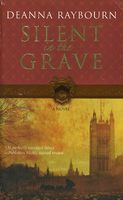
The first book in the series is Silent in the Grave, published in January 2007.
What genre is the Lady Julia Grey series?
The series primarily falls into the Historical Mystery genre.
What is the Lady Julia Grey series about?
The series begins in 1886 with Lady Julia Grey, a 28-year-old widow living quietly in London after the sudden death of her husband, Sir Edward Grey. When a mysterious note arrives suggesting Edward was murdered, Julia—initially reluctant—teams up with Nicholas Brisbane, a brooding private inquiry agent hired by her late husband before his death. Their investigation uncovers secrets within her own family and society, launching Julia on a path of amateur detection. The overarching premise follows Julia as she evolves from a sheltered, conventional aristocrat into a bold, independent investigator who defies Victorian gender norms. Each book features a standalone mystery—poisonings, disappearances, blackmail, theatrical scandals, or political intrigue—but builds on Julia's personal journey: her growing confidence, her complicated romance with Brisbane (marked by tension, misunderstandings, and slow-burning passion), and her refusal to conform to widowhood's expectations. Cases often involve Julia's large, eccentric family (the March family), high society, or exotic locales, with recurring themes of hidden identities, family secrets, the constraints placed on women, and the cost of truth. Julia and Brisbane's partnership deepens across the series, blending intellectual sparring, mutual respect, and romantic tension. The mysteries are clever and layered, with red herrings, historical context (Victorian spiritualism, colonialism, early feminism), and resolutions that satisfy both plot and character development.
Is the Lady Julia Grey series finished?
The series does not currently have a new book scheduled.
More Series Like Lady Julia Grey
If you enjoyed Lady Julia Grey, here are more historical mystery series to explore.