
Otherworld Books in Order
How to Read the Otherworld series
Standalone stories, but characters and relationships develop across the series.
Because of its interconnected nature, the series is best read in order. Although each installment typically focuses on a specific protagonist and contains a largely self-contained storyline, there are overarching plot threads, recurring conflicts, and evolving relationships that span multiple books. Characters introduced in one story often reappear later, sometimes in supporting roles and sometimes as central figures again. Reading sequentially enhances the emotional impact and clarifies the complex web of alliances and histories that define the series. However, readers can still follow individual narratives out of order if needed, as each arc has its own resolution.
About the Otherworld series
Series Premise
The premise centers on a secret community of supernatural beings—werewolves, witches, necromancers, demons, and more—who coexist discreetly within modern society. This “Otherworld†operates under its own rules, hierarchies, and tensions, often intersecting with human life in dangerous or complicated ways. Each story follows a different central character navigating both personal challenges and external threats, from rogue supernatural factions to internal conflicts within their own communities. While the overarching world remains consistent, the perspective shifts provide a broad, layered understanding of this hidden society.
Main Characters
The series features a rotating cast of main characters, each bringing a unique perspective. Among the most prominent is Elena Michaels, the only known female werewolf, whose storyline explores themes of isolation, identity, and acceptance within a male-dominated pack structure. Other central figures include powerful witches, conflicted necromancers, and morally complex sorcerers, each grappling with their own roles within the supernatural hierarchy. This shifting focus allows the series to explore a wide range of experiences while maintaining a cohesive narrative.
Supporting and recurring characters play a crucial role in tying the series together. Allies, family members, and even former adversaries appear across multiple storylines, creating a sense of continuity and depth. These characters often evolve significantly over time, reflecting the long-term consequences of past events. Relationships between characters—whether romantic, familial, or adversarial—are a driving force behind much of the drama and emotional resonance.
Setting
The setting is primarily contemporary, grounded in real-world locations across North America, which adds a sense of realism to the fantastical elements. Cities, small towns, and remote areas all serve as backdrops for the action, with the supernatural world layered seamlessly over the familiar. This juxtaposition enhances the tension, as characters must constantly navigate the boundary between hiding their true nature and confronting threats that could expose them. The world-building is detailed yet accessible, gradually expanding as new characters introduce different aspects of the Otherworld.
Tone & Themes
The tone of the series is darker and more intense than many traditional fantasy works, though it is balanced by moments of humor, romance, and emotional warmth. Armstrong does not shy away from exploring the harsher aspects of her world, including violence, betrayal, and moral ambiguity. At the same time, the stories are deeply character-focused, emphasizing relationships and personal growth. Themes of identity and belonging are central, as many characters struggle to reconcile their supernatural nature with their human emotions and desires.
Power and control are also recurring themes, particularly in how different supernatural groups govern themselves and interact with one another. Questions of leadership, loyalty, and autonomy arise frequently, especially within tightly structured communities like werewolf packs or witch covens. The series also examines trust—both in romantic relationships and in broader alliances—highlighting how fragile and essential it can be in a world filled with secrets and danger.
In conclusion, the Otherworld series by Kelley Armstrong offers a compelling blend of urban fantasy, suspense, and character-driven drama. With its multi-perspective structure, richly developed world, and exploration of identity and power, the series provides an immersive experience that rewards long-term engagement. It stands out for its ability to balance dark, high-stakes storytelling with deeply personal narratives, making it a defining work in the genre.
FAQ
42 books total: 14 main + 26 extra stories + 2 companion books
No new book is currently scheduled. The latest book, Otherworld Chills, was published in October 2016.
Otherworld Chills was published in October 2016.
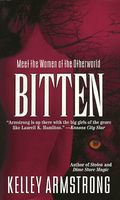
The first book in the series is Bitten, published in June 2001.
The series primarily falls into the Urban Fantasy genre.
It’s best to read the series in order. Each book has its own story, but ongoing character arcs and relationships develop across the series.
The premise centers on a secret community of supernatural beings—werewolves, witches, necromancers, demons, and more—who coexist discreetly within modern society. This “Otherworld†operates under its own rules, hierarchies, and tensions, often intersecting with human life in dangerous or complicated ways. Each story follows a different central character navigating both personal challenges and external threats, from rogue supernatural factions to internal conflicts within their own communities. While the overarching world remains consistent, the perspective shifts provide a broad, layered understanding of this hidden society.
The series does not currently have a new book scheduled.