
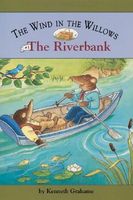
Wind in the Willows Books in Order
How to Read the Wind in the Willows series
Standalone stories, but characters and relationships develop across the series.
The reading order is straightforward and linear within the main book, as the chapters build upon one another chronologically through the course of a year. The episodes are connected by the ongoing relationships and character development of the four friends, particularly Toad’s escalating misadventures and the group’s collective efforts to support him. While the book can be dipped into for individual chapters (many of which function as charming short stories), reading from beginning to end provides the richest experience of the seasonal progression and the deepening bonds between the characters. Later published companion pieces or expansions are not considered essential to the core narrative.
About the Wind in the Willows series
Series Premise
The core premise follows the adventures and everyday dramas of a close-knit group of anthropomorphic animals in a pastoral English landscape. The story explores the contrasting personalities and lifestyles of its central characters: the cautious and kind-hearted Mole, the exuberant and water-loving Rat, the wise and steady Badger, and the impulsive, wealthy, yet lovable Toad. Their lives revolve around the rhythms of the river, the changing seasons, and the small joys and occasional crises that arise in their idyllic world. Through a series of loosely connected episodes, the narrative celebrates friendship, loyalty, and the simple pleasures of home while gently confronting themes of temptation, responsibility, and the pull between adventure and domestic comfort.
Main Characters
The four central characters form the heart of the story. Mole is the gentle, home-loving protagonist who begins the tale emerging from his underground burrow and discovering the wider world. Kind, modest, and slightly timid, he represents loyalty and the comfort of simple domesticity. Water Rat (Ratty) is his cheerful, poetic best friend — an enthusiastic boater and lover of the river who embodies carefree companionship and artistic sensibility. Badger is the gruff, wise, and reclusive elder of the group, living deep in the Wild Wood. He provides stability, moral guidance, and quiet strength when the others need it most. Toad (Mr. Toad of Toad Hall) is the flamboyant, impulsive, and endlessly entertaining antagonist-hero of many episodes. Wealthy, boastful, and prone to wild enthusiasms (cars, boats, caravans, flying machines), he repeatedly lands himself and his friends in trouble, yet remains deeply lovable in his ridiculousness. Supporting and recurring characters include the stoats and weasels of the Wild Wood, who serve as occasional antagonists, and various minor animals who populate the riverbank community.
Setting
The setting is the idyllic English countryside along the banks of a slow-moving river, rendered with loving detail and a strong sense of place. The River Bank itself is a peaceful, almost magical world of willow trees, meadows, burrows, and comfortable homes. Mole’s underground house, Rat’s riverside dwelling, Badger’s ancient sett deep in the Wild Wood, and Toad Hall — the grand, somewhat ridiculous estate of the wealthy Toad — serve as central locations that reflect each character’s personality. The surrounding Wild Wood represents a wilder, slightly more dangerous realm inhabited by weasels, stoats, and other creatures, while the open road and distant horizons symbolize the lure of adventure and the unknown. The changing seasons — from the awakening spring to the deep quiet of winter — play an important role, mirroring the emotional rhythms of the characters’ lives.
Tone & Themes
The tone is warm, whimsical, and gently humorous, written in elegant yet accessible prose that feels both nostalgic and timeless. Grahame’s language is lyrical and sensory, evoking the sights, sounds, and smells of the English countryside with remarkable vividness. The mood is predominantly light and comforting, with moments of quiet reflection, mild peril, and affectionate satire, particularly aimed at Toad’s absurd excesses. Themes revolve around the beauty and solace of nature and home; the importance of friendship and loyalty; the tension between wild adventure and the comforts of domestic life; personal growth and the acceptance of one’s limitations; and a subtle critique of materialism and social pretension. The book quietly celebrates the English rural ideal while acknowledging the need for balance between freedom and responsibility.
In the end, The Wind in the Willows endures as a tender ode to friendship, home, and the English countryside that continues to speak across generations. Kenneth Grahame created a world that feels both intimately small and universally meaningful — a place where loyalty, forgiveness, and the simple act of sharing a meal by the fire hold profound value. For readers of any age, the book offers a comforting escape into a gentler time while subtly reminding us of the importance of balance: between adventure and security, individualism and community, and the wild impulses of the heart and the steady wisdom of home. It lingers like the soft murmur of the river or the warm glow of a fire in Badger’s sett — a quiet, enduring celebration of the small joys that make life rich and the friends who make the journey worthwhile. In its pages, we are gently invited to slow down, cherish our own “river banks,†and remember that even the most foolish among us can be redeemed by the steadfast love of true companions.
FAQ
10 books total: 6 main + 4 companion books
No new book is currently scheduled. The latest book, By The River Bank, was published in August 2012.
By The River Bank was published in August 2012.
The first book in the series is The Open Road, published in November 1986.
The series primarily falls into the General Fiction genre.
It’s best to read the series in order. Each book has its own story, but ongoing character arcs and relationships develop across the series.
The core premise follows the adventures and everyday dramas of a close-knit group of anthropomorphic animals in a pastoral English landscape. The story explores the contrasting personalities and lifestyles of its central characters: the cautious and kind-hearted Mole, the exuberant and water-loving Rat, the wise and steady Badger, and the impulsive, wealthy, yet lovable Toad. Their lives revolve around the rhythms of the river, the changing seasons, and the small joys and occasional crises that arise in their idyllic world. Through a series of loosely connected episodes, the narrative celebrates friendship, loyalty, and the simple pleasures of home while gently confronting themes of temptation, responsibility, and the pull between adventure and domestic comfort.
The series does not currently have a new book scheduled.