
There Was an Old Lady Books in Order
About the There Was an Old Lady series
Series Premise
Each book follows the same cumulative rhyme structure: There was an old lady who swallowed [first item]. I don’t know why she swallowed [first item]. Perhaps she’ll die. There was an old lady who swallowed [second item] to catch the [first item]. I don’t know why she swallowed [first item]. Perhaps she’ll die. The pattern continues, adding one new, increasingly absurd item each time, until the final verse reveals she swallowed everything in order to create or achieve something silly and harmless (e.g., to make a Halloween costume, bake a Thanksgiving pie, build a snowman, or decorate for a holiday). The twist ending is always positive, funny, and non-threatening—no one actually dies, and the old lady is perfectly fine. The premise is deliberately repetitive and predictable—ideal for young children learning sequencing, cause-and-effect, and rhyme—while the escalating absurdity keeps the humor fresh. Each book is tied to a holiday, season, or theme (Halloween, Thanksgiving, Christmas, Valentine’s Day, St. Patrick’s Day, Easter, summer, fall, etc.), making them seasonal favorites for read-alouds and classroom activities.
Main Characters
The Old Lady: The central figure—an elderly woman with white hair in a bun, glasses, a polka-dot dress, and a cheerful expression. She is sweet, eccentric, and completely unbothered by swallowing absurd things. She is never mean or scary—just silly and determined.
- The Narrator/Reader: The voice of the story (usually read by an adult) who repeats the cumulative rhyme and builds suspense.
- The Swallowed Items: Not true characters, but recurring “stars†of each book—bats, turkeys, bells, leprechauns, chicks, shells, snow, etc. They are depicted with big eyes and funny expressions, adding personality to the list.
- Minor/occasional: Various animals, children, or background figures who react with surprise or amusement. No large cast—focus stays tightly on the old lady and the cumulative list.
Setting
The setting is a timeless, generic storybook world—usually a cozy, colorful house or yard in an unnamed town. The old lady’s home is simple and inviting: a kitchen with a big table, a living room with a fireplace, a porch, and a backyard. The background is bright and uncluttered—pastel skies, green grass, flowers, trees, and occasional seasonal details (pumpkins, snow, shamrocks, Easter eggs).
The setting is deliberately vague and universal—no specific year or real-world location—so it feels like a fairy-tale or nursery-rhyme world. The focus is on the old lady, her ever-expanding stomach, and the parade of creatures/objects she swallows, not on detailed scenery. The illustrations make the setting feel safe, cheerful, and playful—everything is rounded, friendly, and cartoonish.
Tone & Themes
The tone is silly, joyful, and completely light-hearted—pure preschool/early-elementary humor with zero real danger or fear. The rhyme is bouncy and rhythmic, begging to be chanted aloud, and the escalating list builds excitement and giggles as the old lady swallows more and more ridiculous things. The illustrations are bright, exaggerated, and full of visual jokes—huge eyes, goofy expressions, chaotic backgrounds—so even pre-readers can follow and laugh at the absurdity. The repeated line “Perhaps she’ll die†is played for comedy, never menace; children quickly learn it’s part of the joke, not a real threat. The twist ending is always happy and clever, turning the apparent disaster into something delightful (a costume, a treat, a decoration). The books are positive, reassuring, and silly fun—perfect for building reading confidence, encouraging participation, and sparking laughter without any scary or sad moments.
Lucille Colandro’s There Was an Old Lady series is a joyful, timeless favorite that transforms the classic nursery rhyme into more than 20 hilarious, interactive picture books perfect for preschool and early elementary read-alouds. With bouncy rhymes, escalating absurdity, and Jared Lee’s bright, expressive illustrations, each story turns a simple swallowing sequence into a giggle-filled adventure that ends with a clever, happy twist. The books are safe, silly, and wonderfully participatory—children quickly learn the pattern, chant along, and laugh at the old lady’s outrageous appetite. They teach sequencing, prediction, rhyme, and cause-and-effect in the most entertaining way possible, while celebrating the sheer fun of nonsense. A perfect blend of tradition and fresh creativity, the series remains a go-to for parents, teachers, and librarians who want books that make kids laugh, join in, and beg to hear “just one more time.†The old lady keeps swallowing, and generations of children keep giggling—one ridiculous rhyme at a time.
FAQ
18 books
No new book is currently scheduled. The latest book, There Was an Old Lady Who Swallowed a Cactus!, was published in January 2021.
There Was an Old Lady Who Swallowed a Cactus! was published in January 2021.
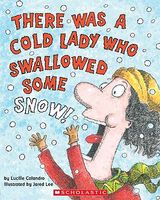
The first book in the series is There Was a Cold Lady Who Swallowed Some Snow!, published in February 1995.
The series primarily falls into the General Fiction genre.
Each book follows the same cumulative rhyme structure: There was an old lady who swallowed [first item]. I don’t know why she swallowed [first item]. Perhaps she’ll die. There was an old lady who swallowed [second item] to catch the [first item]. I don’t know why she swallowed [first item]. Perhaps she’ll die. The pattern continues, adding one new, increasingly absurd item each time, until the final verse reveals she swallowed everything in order to create or achieve something silly and harmless (e.g., to make a Halloween costume, bake a Thanksgiving pie, build a snowman, or decorate for a holiday). The twist ending is always positive, funny, and non-threatening—no one actually dies, and the old lady is perfectly fine. The premise is deliberately repetitive and predictable—ideal for young children learning sequencing, cause-and-effect, and rhyme—while the escalating absurdity keeps the humor fresh. Each book is tied to a holiday, season, or theme (Halloween, Thanksgiving, Christmas, Valentine’s Day, St. Patrick’s Day, Easter, summer, fall, etc.), making them seasonal favorites for read-alouds and classroom activities.
The series does not currently have a new book scheduled.