
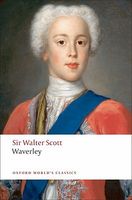
The Waverley Books in Order
Complete reading order for The Waverley series.
About The Waverley series
Series Premise
The Waverley Novels are standalone historical fictions, each set in a specific past era (primarily 17th–18th centuries Scotland, medieval Britain/Europe, or Renaissance France/England), where fictional protagonists navigate real historical events, social upheavals, and cultural clashes. Scott pioneered the genre by grounding romance and adventure in accurate historical detail—drawing from chronicles, folklore, ballads, and oral traditions—while portraying ordinary people alongside famous figures.
The overarching premise explores the tension between tradition and progress: heroic, romantic ideals of the past (feudal clans, chivalric codes, Jacobite loyalty) collide with emerging modernity (centralized monarchy, Enlightenment rationality, Union with England). Protagonists—often young, idealistic men of divided loyalties—journey through turbulent times, witnessing the decline of old ways amid political, religious, or economic change. Conflicts arise from civil wars, rebellions (Jacobite risings, Covenanter struggles), royal intrigues, border feuds, or quests for justice. Resolutions favor moderation and tolerance: extremes of fanaticism or blind tradition lead to tragedy, while pragmatic accommodation and personal integrity offer hope. Scott's narrator frequently reflects from a later perspective ("'Tis Sixty Years Since" in Waverley), providing ironic distance and underscoring historical inevitability without glorifying defeat.
Themes include national identity (especially Scottish resilience amid Union), tolerance amid division, the romance of the past versus practical future, class dynamics, loyalty, fate, and human decency across divides. While early novels focus on Scottish history (Jacobite era, Covenanters), later ones venture to medieval England (Ivanhoe), France (Quentin Durward), Crusades (The Talisman), and beyond.
Main Characters
Protagonists are typically young, educated men of good birth—often English or Lowland Scots—who enter unfamiliar worlds, torn by conflicting loyalties. They grow through experience, choosing moderation over extremism.
- Edward Waverley (Waverley): Idealistic English officer drawn to Jacobite cause via Highland clans; represents romantic youth confronting reality.
- Francis Osbaldistone (Rob Roy): Naive Londoner thrust into Borders intrigue and Highland outlaw life.
- Henry Bertram (Guy Mannering): Lost heir navigating gypsy prophecies and family secrets.
- Jeanie Deans (The Heart of Midlothian): Humble Lowland woman whose moral courage drives pilgrimage to save sister.
- Ivanhoe (Wilfred of Ivanhoe): Saxon knight in Norman England, embodying chivalric honor.
- Quentin Durward: Scottish archer in French court intrigue.
- Supporting figures: Larger-than-life secondary characters—Rob Roy MacGregor (noble outlaw), Meg Merrilies (gypsy matriarch), Bailie Jarvie (practical merchant), Bonnie Prince Charlie (charismatic but doomed leader), historical figures (Queen Elizabeth, Richard the Lionheart)—add color and authenticity.
Setting
Settings are vividly realized historical landscapes across Britain and Europe, with Scotland dominant in early novels. Waverley unfolds in Perthshire Highlands and Lowlands during 1745–46 Jacobite rising—rugged moors, clan strongholds, Edinburgh streets, English estates. Later Scottish tales feature Edinburgh (The Heart of Midlothian), Glasgow and Highlands (Rob Roy), Borders (The Monastery). Non-Scottish works shift to medieval England (Norman-Saxon tensions in Ivanhoe), Elizabethan England (Kenilworth), 15th-century France (Quentin Durward), Crusader Palestine (The Talisman), and Orkney Islands (The Pirate).
Scott's descriptions are immersive: misty glens, ancient castles, bustling cities, battlefields—blending romantic grandeur with ethnographic detail (Highland customs, dialect, folklore). Settings symbolize cultural transitions: fading feudal wildness versus emerging order, romantic past versus pragmatic present.
Tone & Themes
The tone is grand yet humane—romantic and adventurous with a wry, reflective narrator who balances excitement with irony and moral insight. Scott's prose is richly descriptive, leisurely paced (with long introductions, historical digressions, and dialect-heavy dialogue), evoking epic scope while grounding events in relatable human motives. Humor arises from eccentric characters, social satire, and comic misunderstandings; pathos from tragic losses and doomed causes. Violence is present but not gratuitous—battles, executions, duels serve historical context rather than sensationalism.
Scott's voice is tolerant and optimistic: he portrays antagonists with sympathy (Jacobites as noble but misguided, Puritans as sincere but rigid), avoiding black-and-white judgments. The tone evolves slightly—earlier works more romantic and picaresque, later ones more somber and introspective—but remains engaging, accessible, and morally earnest, celebrating human resilience amid inevitable change.
The Waverley Novels endure as a monumental achievement: Sir Walter Scott invented the historical novel, infusing fiction with real history while humanizing the past through vivid characters and landscapes. His tolerant vision—balancing romantic nostalgia for lost traditions with acceptance of progress—shaped modern historical fiction and national consciousness, particularly Scottish identity. Though prose can feel dated (lengthy, digressive), the series offers thrilling adventure, psychological insight, and enduring themes of loyalty, change, and humanity. From Waverley's Jacobite drama to Ivanhoe's medieval pageantry, Scott's works remain captivating—testaments to storytelling's power to bridge eras and illuminate the human spirit.
FAQ
18 books
No new book is currently scheduled. The latest book, Anne of Geierstein, was published in January 1829.
Anne of Geierstein was published in January 1829.
The first book in the series is Waverley: or 'Tis Sixty Years Since, published in January 1814.
The series primarily falls into the General Fiction genre.
The Waverley Novels are standalone historical fictions, each set in a specific past era (primarily 17th–18th centuries Scotland, medieval Britain/Europe, or Renaissance France/England), where fictional protagonists navigate real historical events, social upheavals, and cultural clashes. Scott pioneered the genre by grounding romance and adventure in accurate historical detail—drawing from chronicles, folklore, ballads, and oral traditions—while portraying ordinary people alongside famous figures. The overarching premise explores the tension between tradition and progress: heroic, romantic ideals of the past (feudal clans, chivalric codes, Jacobite loyalty) collide with emerging modernity (centralized monarchy, Enlightenment rationality, Union with England). Protagonists—often young, idealistic men of divided loyalties—journey through turbulent times, witnessing the decline of old ways amid political, religious, or economic change. Conflicts arise from civil wars, rebellions (Jacobite risings, Covenanter struggles), royal intrigues, border feuds, or quests for justice. Resolutions favor moderation and tolerance: extremes of fanaticism or blind tradition lead to tragedy, while pragmatic accommodation and personal integrity offer hope. Scott's narrator frequently reflects from a later perspective ("'Tis Sixty Years Since" in Waverley), providing ironic distance and underscoring historical inevitability without glorifying defeat. Themes include national identity (especially Scottish resilience amid Union), tolerance amid division, the romance of the past versus practical future, class dynamics, loyalty, fate, and human decency across divides. While early novels focus on Scottish history (Jacobite era, Covenanters), later ones venture to medieval England (Ivanhoe), France (Quentin Durward), Crusades (The Talisman), and beyond.
The series does not currently have a new book scheduled.