
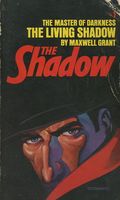
The Shadow Books in Order
Complete reading order for The Shadow series.
How to Read The Shadow series
Mostly standalone stories with recurring characters in a shared setting.
The reading order largely does not matter for casual enjoyment, as the vast majority of the stories are self-contained adventures with standalone mysteries and resolutions. Gibson’s formula—intelligence gathering, agent deployment, escalating confrontations, and climactic showdowns—repeats reliably, allowing readers to dive in anywhere without confusion. However, the earliest tales establish the character’s origins, agent network, and shadowy methods, while later entries refine his abilities, deepen supporting cast roles, and occasionally reference ongoing elements like the Shadow’s sanctum or evolving disguises. Sequential reading reveals subtle character growth in the agents and the gradual expansion of the Shadow’s operations, but newcomers will find any entry accessible and entertaining. The sheer volume (hundreds of novels) makes the series ideal for dipping in and out, much like episodic radio dramas or comic book issues of the era.
About The Shadow series
Series Premise
At its core, the premise revolves around a enigmatic figure of justice who operates in the shadows to combat organized crime, masterminds, and underworld empires that evade conventional law enforcement. The Shadow gathers intelligence through a network of loyal agents, anticipates criminal plots before they unfold, and descends upon evildoers with unmatched stealth, psychological terror, and lethal precision—often using twin .45 automatics. Beneath the black slouch hat, cloak, and crimson-lined garment lurks a master of disguise, ventriloquism, and hand-to-hand combat. His true identity is Kent Allard, a famed World War I aviator and secret agent who adopts the persona of wealthy socialite Lamont Cranston (among many others) to move undetected through society. Each story pits this dark knight against cunning villains—gang lords, crooked politicians, foreign spies, or bizarre masterminds—while exploring how one relentless individual can tip the scales against overwhelming evil. The narratives emphasize preemptive action, the psychology of fear as a weapon, and the thin line between justice and vengeance.
Main Characters
The central figure is the Shadow himself, a larger-than-life enigma clad in black, whose hypnotic gaze, uncanny knowledge, and eerie laugh paralyze foes. Master of countless disguises (including the affable Lamont Cranston, explorer Kent Allard, and a host of others like Henry Arnaud or elderly Phineas Twambley), he is a tactical genius who blends Eastern mysticism, Western marksmanship, and sheer willpower. His network of agents forms the vital supporting cast, recurring across many tales and providing both viewpoint characters and crucial assistance. Harry Vincent, the steadfast everyman rescued in the first adventure, often serves as a primary observer and field operative. Moe Shrevnitz (“Shrevvyâ€), the quick-witted cab driver, offers rapid transportation and street-level intel. Clyde Burke, a reporter for the Classic, supplies journalistic access and cover. Cliff Marsland, a tough underworld figure, infiltrates gangs from within. Burbank, the calm communications expert, acts as the Shadow’s reliable link in the sanctum. Other key recurrers include Rutledge Mann, the investment broker who handles information relays, and the giant Jericho for muscle when needed. On the law enforcement side, Inspector Joe Cardona—a competent, bulldog detective—frequently crosses paths with the Shadow, sometimes as an unwitting ally, while Police Commissioner Weston represents official authority, often frustrated yet grudgingly respectful. Villains vary wildly: from ruthless gang bosses to eccentric masterminds with bizarre schemes, each posing unique threats that demand the Shadow’s full arsenal of tricks.
Setting
The primary setting is the gritty, shadowy underbelly of New York City in the 1930s and 1940s, a teeming metropolis of towering skyscrapers, seedy waterfronts, opium dens, speakeasies, and opulent society balls. From the criminal haunts of the Bowery and Chinatown to the glittering lights of Broadway and the exclusive clubs where the elite gather, Gibson renders the city as a living, breathing character—alive with danger, corruption, and hidden opportunities for justice. Occasional forays extend to other locales, including rural estates, transatlantic liners, or international hotspots when foreign intrigue calls, but the heart remains Manhattan’s nocturnal streets, where fog and darkness cloak the Shadow’s movements. The sanctum—a hidden room bathed in blue light where the avenger pores over reports—serves as a recurring nerve center, contrasting the chaos outside with calculated calm.
Tone & Themes
Gibson’s tone is brisk, atmospheric, and relentlessly exciting, blending hard-boiled noir with gothic dread and breathless action. Descriptions evoke fog-shrouded streets, flickering gaslights, and sudden bursts of gunfire, while the Shadow’s mocking laugh echoes like a harbinger of doom. There is little introspection or moral hand-wringing; instead, the prose crackles with urgency, clever misdirection, and vivid sensory details. Themes center on the eternal battle between good and evil, the power of knowledge and preparation over brute force, the corrupting influence of unchecked crime and greed, and the idea that justice sometimes demands operating outside the law. Redemption appears rarely—most criminals meet swift, poetic ends—yet the series upholds a strict code: The Shadow targets only the guilty, offering chances to the redeemable while showing no mercy to murderers. It celebrates loyalty, ingenuity, and the quiet heroism of ordinary people who become agents, while underscoring isolation: the Shadow remains a solitary force, even amid his network, bound by his mission.
In the end, the Shadow series by Maxwell Grant endures as a thrilling monument to pulp heroism, where darkness itself becomes the ultimate weapon against darkness. Through fog-choked alleys and rain-slicked rooftops, this cloaked avenger reminds us that evil thrives in secrecy—but so does justice when wielded by an unseen hand. Gibson’s creation delivers pure escapist adrenaline laced with moral clarity: one man, armed with knowledge, loyalty, and unyielding resolve, can indeed make a difference in a corrupt world. Whether you encounter the Shadow in a smoky nightclub or a desperate warehouse showdown, his chilling laugh promises the same electrifying truth—crime cannot hide forever. The Shadow knows… and now, so do you. Step into his world, and let the night swallow your doubts as the master of darkness claims another victory for the light that hides within the black.
FAQ
26 books total: 25 main + 1 companion book
No new book is currently scheduled. The latest book, The Red Blot and Voodoo Master, was published in October 2006.
The Red Blot and Voodoo Master was published in October 2006.
The first book in the series is The Red Menace , published in November 1931.
The series primarily falls into the Suspense genre.
No, the books do not need to be read in order. Each story stands on its own, but recurring characters and the shared setting connect the series.
At its core, the premise revolves around a enigmatic figure of justice who operates in the shadows to combat organized crime, masterminds, and underworld empires that evade conventional law enforcement. The Shadow gathers intelligence through a network of loyal agents, anticipates criminal plots before they unfold, and descends upon evildoers with unmatched stealth, psychological terror, and lethal precision—often using twin .45 automatics. Beneath the black slouch hat, cloak, and crimson-lined garment lurks a master of disguise, ventriloquism, and hand-to-hand combat. His true identity is Kent Allard, a famed World War I aviator and secret agent who adopts the persona of wealthy socialite Lamont Cranston (among many others) to move undetected through society. Each story pits this dark knight against cunning villains—gang lords, crooked politicians, foreign spies, or bizarre masterminds—while exploring how one relentless individual can tip the scales against overwhelming evil. The narratives emphasize preemptive action, the psychology of fear as a weapon, and the thin line between justice and vengeance.
The series does not currently have a new book scheduled.