
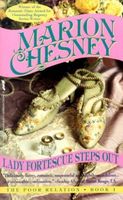
The Poor Relation Books in Order
How to Read The Poor Relation series
Standalone stories, but characters and relationships develop across the series.
The series is best read in sequential order for the richest experience, though the books can be enjoyed fairly independently. The overarching story arc traces the founding and gradual success of the hotel, the evolving friendships among the poor relations, and the slow thawing of family prejudices. Early volumes establish the initial scheme and introduce the core group, while later books build on shared history, recurring guests, and the growing reputation of the establishment. Reading chronologically enhances appreciation for the developing ensemble dynamic and subtle callbacks, but each installment delivers its own complete romance and satisfying resolution, making it possible to start anywhere without confusion.
About The Poor Relation series
Series Premise
The core premise revolves around a group of impoverished but genteel relatives who find themselves dependent on the charity of their wealthy, titled kin. Rather than living as humble poor relations in the shadows of grand estates, these resourceful characters band together in a bold and unconventional scheme. They pool their limited resources to establish a fashionable hotel in London, transforming their supposed disgrace into a thriving business that allows them independence, dignity, and a surprising amount of social influence. Each story follows one poor relation (or a close associate) as they navigate the challenges of running the hotel, managing eccentric guests, fending off interference from disapproving aristocratic family members, and, most importantly, finding love and happiness on their own terms. The series cleverly contrasts the stifling world of high society with the warm, chaotic camaraderie of the hotel, where merit and personality matter far more than birth or fortune.
Main Characters
At the heart of the series stands a delightful ensemble of poor relations whose distinct personalities create a lively found family. The group includes clever, practical women and honorable but financially strained gentlemen who band together out of necessity and affection. Each book typically spotlights one or two central figures whose romance drives the plot, while the others provide support, comic relief, or gentle interference. Recurring characters include the various aristocratic relatives—haughty aunts, disapproving cousins, and snobbish in-laws—who initially view the hotel scheme with horror but gradually (and often reluctantly) come to respect or even rely upon it. Guests at the hotel add constant color and complication: eccentric dowagers, mysterious travelers, fortune hunters, and lovelorn young people whose dramas spill over into the lives of the proprietors. These supporting figures create a rich, interconnected community where gossip travels quickly and kindness is ultimately rewarded.
Setting
The setting is Regency London at its most vibrant and contrasting. The poor relations establish their hotel in a once-fashionable but slightly faded townhouse in a respectable but not elite neighborhood, creating a charming, slightly chaotic domestic world that feels both intimate and bustling. Scenes move between the hotel’s drawing rooms, dining areas, and guest chambers—where eccentric visitors, secret romances, and minor scandals unfold—and the grander mansions of disapproving relatives. Occasional forays into the ton’s ballrooms, parks, and opera houses provide sharp contrast, highlighting the artificial glitter of high society against the genuine warmth of the hotel. The atmosphere is vividly sensory: the scent of fresh flowers and polished silver, the clatter of carriages outside, the murmur of polite conversation laced with gossip, and the comforting bustle of a household run with limited means but great heart. Chesney captures the period’s social nuances beautifully, from rigid calling hours to the subtle power plays of inheritance and marriage.
Tone & Themes
Tonally, the books are classic Chesney: light, frothy, and gently satirical, with a generous helping of humor and warmth. Expect sparkling dialogue, amusing social misunderstandings, and a playful tone that pokes fun at aristocratic pomposity without descending into meanness. The mood is consistently upbeat and optimistic, blending cozy romance with mild intrigue and the comforting satisfaction of underdogs triumphing through cleverness and kindness. Chesney’s prose is elegant yet accessible, filled with period detail and wry observations that feel authentically Regency. Thematically, the series explores the artificiality of class distinctions, the dignity of honest work, the redemptive power of friendship and chosen family, the courage to defy societal expectations, and the idea that true worth lies in character rather than title or wealth. It quietly champions female resourcefulness and independence while celebrating love that blossoms across social divides.
In the end, the Poor Relation series by Marion Chesney is a charming testament to the idea that true gentility has nothing to do with wealth or title and everything to do with heart, humor, and quiet courage. Chesney invites readers into a world where a group of overlooked relatives transform their supposed humiliation into a triumphant declaration of independence, proving that friendship, cleverness, and a little defiance can overcome even the stiffest social barriers. These stories wrap you in the elegance of Regency drawing rooms and the warmth of unlikely alliances, delivering romances that sparkle with wit and the satisfying knowledge that kindness and merit will eventually win the day. For anyone who loves historical romance with a generous dash of humor, strong ensemble casts, and underdog heroines who refuse to be diminished, the Poor Relation series offers a delightful escape—one where the most fashionable address in London turns out to be the one run with love, laughter, and a complete disregard for what the ton thinks proper. Pull up a chair in the hotel parlor, pour yourself a cup of tea, and enjoy the company of characters who remind us that sometimes the best families are the ones we choose—and the ones that choose to thrive together.
FAQ
6 books
No new book is currently scheduled. The latest book, Back in Society, was published in August 1994.
Back in Society was published in August 1994.
The first book in the series is Miss Tonks Takes a Risk // Miss Tonks Turns to Crime, published in April 1993.
The series primarily falls into the Historical Romance genre.
It’s best to read the series in order. Each book has its own story, but ongoing character arcs and relationships develop across the series.
The core premise revolves around a group of impoverished but genteel relatives who find themselves dependent on the charity of their wealthy, titled kin. Rather than living as humble poor relations in the shadows of grand estates, these resourceful characters band together in a bold and unconventional scheme. They pool their limited resources to establish a fashionable hotel in London, transforming their supposed disgrace into a thriving business that allows them independence, dignity, and a surprising amount of social influence. Each story follows one poor relation (or a close associate) as they navigate the challenges of running the hotel, managing eccentric guests, fending off interference from disapproving aristocratic family members, and, most importantly, finding love and happiness on their own terms. The series cleverly contrasts the stifling world of high society with the warm, chaotic camaraderie of the hotel, where merit and personality matter far more than birth or fortune.
The series does not currently have a new book scheduled.