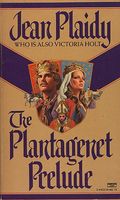
The Plantagenet Saga Books in Order
#
Title
Date
How to Read The Plantagenet Saga
Best Read in Order
· Start with Book 1
Standalone stories, but characters and relationships develop across the series.
The series is best read in publication order, which closely follows the chronological sequence of historical events and reigns. While individual novels can be enjoyed somewhat independently (each focuses on a distinct period or key figures with self-contained arcs), the overarching narrative builds powerfully across the books. Recurring family traits, unresolved conflicts, and references to earlier reigns gain deeper resonance when followed sequentially, allowing readers to trace the dynasty's evolution from the Angevin empire's height through its fractures and ultimate extinction. Chronological reading enhances appreciation of how past actions echo into future generations, creating a cohesive epic rather than isolated tales.
About The Plantagenet Saga
Series Premise
The core premise follows the Plantagenet kings and their families through successive generations, exploring the personal relationships, political intrigues, marital alliances, and bloody conflicts that defined their rule. Beginning with the passionate union of Henry II and Eleanor of Aquitaine, the saga delves into the dynasty's founding tensions—family rebellions, crusades, rivalries with France, and the endless struggle for control over vast territories. As generations unfold, it examines the shifting fortunes of monarchs, their queens, heirs, and rivals, capturing the cycle of glory, folly, civil war, and eventual downfall during the Wars of the Roses. Each installment illuminates how private desires—love affairs, jealousies, parental favoritism, and personal vendettas—intertwine with public events like wars, murders, depositions, and power grabs, revealing the human drama behind the throne.
Main Characters
Central figures shift with each phase, but the saga orbits the charismatic, flawed Plantagenet monarchs and their formidable consorts. Henry II emerges as a towering, energetic force, matched by the brilliant, indomitable Eleanor of Aquitaine, whose intellect and ambition drive much of the early drama. Their sons—fiery Richard the Lionheart, scheming John Lackland, and others—inherit the family's restless energy and tragic flaws. Later kings include the pious but weak Henry III, the domineering Edward I (Longshanks), the tragic Edward II, the heroic yet short-lived Henry V, and the divided houses of Lancaster and York during the Wars of the Roses, with figures like Richard III and Edward IV. Queens and noblewomen play pivotal roles—Isabella of France, Margaret of Anjou, Elizabeth Woodville—often as power brokers, manipulators, or tragic victims. Supporting characters include archbishops like Thomas Becket, powerful barons, mistresses, heirs, and rivals whose loyalties shift, enriching the tapestry of court and battlefield intrigue.
Setting
The setting spans medieval England, France, and associated territories during the 12th to 15th centuries, vividly evoking the era's grandeur and grimness. Castles, courts, battlefields, crusader camps, and royal palaces come alive, from the opulent courts of Aquitaine and Anjou to the stormy English Channel crossings, the Holy Land's deserts, and the fog-shrouded landscapes of civil-war-torn Britain. Plaidy captures the sensory details—jousts and feasts, damp stone halls, the clamor of armies, the intrigue of candlelit chambers—while highlighting the constant tension between England and continental rivals, making geography a key player in the endless power struggles.
Tone & Themes
The tone is elegant yet accessible, dramatic without melodrama, and richly atmospheric, favoring a narrative voice that feels intimate and gossipy at times while remaining respectful of historical gravity. Plaidy's prose is clear, flowing, and character-focused, emphasizing emotional truths and psychological insights over dense exposition. It's romantic in its portrayal of courtly love and royal passions but unflinching about the brutality, treachery, and tragedy of medieval power. Themes revolve around the corrupting influence of absolute authority, the clash between personal desire and dynastic duty, the precariousness of kingship, the enduring impact of strong-willed women in a patriarchal world, family loyalty versus ambition, the cost of war and revenge, and the fleeting nature of power amid inevitable decline. Redemption appears rarely; instead, the saga underscores how human flaws—pride, lust, vengeance—shape history as much as grand strategy.
In the end, the Plantagenet Saga endures as a masterful chronicle of a dynasty doomed by its own vitality and vices, where crowns are won through courage and cunning yet lost to the same human passions. Jean Plaidy invites readers into the shadowed halls of history, where love burns fiercely, betrayal cuts deep, and power proves as intoxicating as it is perilous. The series captivates with its blend of grandeur and intimacy, reminding us that behind every throne lies a story of hearts entangled in ambition's web—stories that echo through centuries, as timeless and tragic as the Plantagenets themselves.
FAQ
How many books are in The Plantagenet Saga?
14 books
When will the next book in the series be released?
No new book is currently scheduled. The latest book, The Sun in Splendour, was published in January 1982.
When was the most recent book released?
The Sun in Splendour was published in January 1982.
What was the first book in the series?
The first book in the series is The Plantagenet Prelude, published in January 1976.
What genre is The Plantagenet Saga?
The series primarily falls into the Historical Romance genre.
Do you need to read The Plantagenet Saga in order?
It’s best to read the series in order. Each book has its own story, but ongoing character arcs and relationships develop across the series.
What is The Plantagenet Saga about?
The core premise follows the Plantagenet kings and their families through successive generations, exploring the personal relationships, political intrigues, marital alliances, and bloody conflicts that defined their rule. Beginning with the passionate union of Henry II and Eleanor of Aquitaine, the saga delves into the dynasty's founding tensions—family rebellions, crusades, rivalries with France, and the endless struggle for control over vast territories. As generations unfold, it examines the shifting fortunes of monarchs, their queens, heirs, and rivals, capturing the cycle of glory, folly, civil war, and eventual downfall during the Wars of the Roses. Each installment illuminates how private desires—love affairs, jealousies, parental favoritism, and personal vendettas—intertwine with public events like wars, murders, depositions, and power grabs, revealing the human drama behind the throne.
Is The Plantagenet Saga finished?
The series does not currently have a new book scheduled.
More Series Like The Plantagenet Saga
If you enjoyed The Plantagenet Saga, here are more historical romance series to explore.