
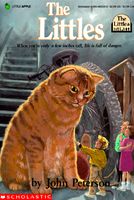
The Littles Books in Order
Complete reading order for The Littles series.
How to Read The Littles series
Mostly standalone stories with recurring characters in a shared setting.
The series can largely be enjoyed without strict adherence to publication order, though reading the earliest books first provides the best foundation. The initial volumes establish the family dynamics, their living situation in the Bigg household, and the basic rules of their hidden life. Subsequent stories often function as self-contained adventures—whether involving a trip, a rescue mission, a wedding, a party, or a big storm—while still referencing the core home base. Later entries introduce new tiny groups (such as the Small-Fry family or Trash Tinies) or expand the world with themes like lost children and reunions, but the emotional core remains consistent. Order does not matter dramatically for casual enjoyment, yet starting sequentially enhances familiarity with recurring characters and the comforting rhythm of their resourceful lifestyle.
About The Littles series
Series Premise
At its core, the premise introduces a family of tiny, mouse-like humanoids—roughly six inches tall, complete with long, soft tails—who secretly inhabit the walls and hidden spaces of a normal human home owned by the Bigg family. The Littles sustain themselves by “borrowing†small scraps of food, thread, and discarded items from their unwitting hosts, while quietly repaying the favor by performing essential repairs to the house’s plumbing, electrical wiring, and other systems. This symbiotic yet hidden relationship keeps the Biggs’ older home in unusually good condition. Trouble arises whenever disruptions threaten their peaceful existence—messy house-sitters attracting real mice, family vacations leaving the home vulnerable, adventurous outings into the wider world, weddings, parties, storms, or encounters with other tiny communities. The stories revolve around the Littles’ resourceful efforts to maintain secrecy, solve crises, protect their home, and occasionally venture beyond its walls, turning ordinary household events into epic quests on a miniature scale.
Main Characters
The central protagonists are the warm and resourceful Little family. William T. Little (often called Mr. Little) serves as the optimistic, level-headed patriarch who makes most decisions with steady wisdom and calm reassurance. His wife, Wilma (or Mrs. Little), provides nurturing support and practical sense. Their children—Tom, the adventurous and somewhat mischievous older boy around ten, and Lucy, the younger, kind-hearted eight-year-old—drive much of the action with their curiosity, bravery, and good deeds, often venturing into risky situations to help others. Granny Little contributes wisdom, knitting skills, and a touch of gentle humor, while Uncle Pete (sometimes portrayed with grandfatherly traits) adds experience and a steady hand in repairs or rescues. Cousin Dinky Little stands out as a bold, adventurous pilot figure who brings excitement through his glider or plane exploits and occasional recklessness. Supporting and recurring characters include the oblivious Bigg family—particularly young Henry Bigg, whose presence sometimes intersects indirectly with the Littles’ world—and various tiny folk from other communities who appear in expanded adventures, such as the Small-Fry family or rival groups. Mice frequently serve as antagonists, representing chaos and uncleanliness that the tidy Littles must combat, while occasional human elements (like visiting relatives or pets) heighten the stakes without ever discovering the secret inhabitants.
Setting
The primary setting is the Bigg family’s comfortable, somewhat old-fashioned house, rendered in delightful detail from a Lilliputian perspective. To the Littles, ordinary rooms become vast landscapes: table legs turn into towering pillars, countertops into perilous plateaus, and electrical outlets into mysterious caverns. They navigate behind walls through cleverly constructed passages, use thread for ropes or clothing, craft tools from pins and buttons, and “borrow†from kitchen crumbs or laundry scraps. The house feels both safe haven and fragile ecosystem, vulnerable to human actions like vacuuming, renovations, or sloppy housekeeping that can flood their spaces or invite real mice. Occasional stories expand the horizon to the wider neighborhood, forests, or distant tiny settlements—such as communities living near a garbage dump or atop a mountain—introducing new environments while keeping the Bigg home as the emotional anchor. Everyday objects gain magical proportions: a sock becomes a knitting project spanning years, a glider or tiny plane enables daring flights, and household hazards transform into life-or-death obstacles.
Tone & Themes
The tone is light, optimistic, and gently adventurous, perfectly pitched for middle-grade readers with short chapters, vivid descriptions, and a sense of cozy wonder. Peterson’s prose is straightforward and engaging, mixing mild peril with humor, family warmth, and inventive problem-solving that makes the tiny scale feel expansive and exciting. Themes emphasize resourcefulness and ingenuity in the face of challenges; the importance of family cooperation and mutual support; cleanliness, order, and environmental stewardship within their miniature world; courage when confronting dangers far larger than themselves (cats, mice, or human-sized obstacles); and the value of secrecy balanced with quiet helpfulness. Subtle lessons about dealing with change, personal growth, and community harmony emerge naturally, without heavy moralizing, while cross-species (or cross-scale) understanding underscores tolerance and hidden kindness.
In the end, the Littles series endures as a timeless celebration of small wonders in a big world, where tiny heroes prove that courage, cleverness, and family bonds can overcome any obstacle—no matter how towering. John Peterson crafts an inviting miniature universe that sparks imagination in young readers, encouraging them to look closer at the hidden spaces around them and appreciate the quiet helpers who keep life running smoothly. With its blend of cozy domesticity and miniature thrills, the saga reminds us that true heroism often hides in plain sight, mending what is broken and lending a hand (or tail) when it matters most. For children who dream of secret worlds behind the walls, these stories offer pure delight and the comforting assurance that even the smallest among us can make a very big difference.
FAQ
12 books total: 11 main + 1 companion book
No new book is currently scheduled. The latest book, The Littles and the Perfect Christmas, was published in December 2004.
The Littles and the Perfect Christmas was published in December 2004.
The first book in the series is The Littles, published in January 1967.
The series primarily falls into the General Fiction genre.
No, the books do not need to be read in order. Each story stands on its own, but recurring characters and the shared setting connect the series.
At its core, the premise introduces a family of tiny, mouse-like humanoids—roughly six inches tall, complete with long, soft tails—who secretly inhabit the walls and hidden spaces of a normal human home owned by the Bigg family. The Littles sustain themselves by “borrowing†small scraps of food, thread, and discarded items from their unwitting hosts, while quietly repaying the favor by performing essential repairs to the house’s plumbing, electrical wiring, and other systems. This symbiotic yet hidden relationship keeps the Biggs’ older home in unusually good condition. Trouble arises whenever disruptions threaten their peaceful existence—messy house-sitters attracting real mice, family vacations leaving the home vulnerable, adventurous outings into the wider world, weddings, parties, storms, or encounters with other tiny communities. The stories revolve around the Littles’ resourceful efforts to maintain secrecy, solve crises, protect their home, and occasionally venture beyond its walls, turning ordinary household events into epic quests on a miniature scale.
The series does not currently have a new book scheduled.