
Strega Nona Books in Order
About the Strega Nona series
Series Premise
Strega Nona ("Grandma Witch") is a wise, gentle old woman who lives in a small Calabrian village in southern Italy. She uses her magic—rooted in traditional herbal remedies, spells, and a magical pasta pot—to help her neighbors with everyday problems: healing ailments, making pasta, solving small disputes, or providing comfort. Her magic is kind, practical, and never harmful, reflecting the nurturing role of a grandmother. The recurring conflict arises when her well-meaning but foolish apprentice, Big Anthony, ignores instructions or acts out of greed, curiosity, or vanity. His mistakes cause comical chaos—pasta overflowing the village, unwanted suitors appearing, or holiday gifts going awry—until Strega Nona calmly restores order, usually with a gentle lesson or a humorous consequence for Big Anthony. The stories teach simple morals (listen to instructions, share, be patient, respect elders) without being preachy, using humor and warmth to deliver the message. Later books expand the cast and situations—introducing Bambolona, Strega Nona's vacation, or holiday traditions—while staying true to the cozy, magical village life.
Main Characters
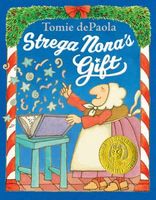
Strega Nona ("Grandma Witch"): The wise, kind-hearted central figure—an elderly woman with a round face, apron, and headscarf. She is gentle, patient, and deeply magical, using her powers to help others. She loves her village and treats everyone (even Big Anthony) with affection and understanding.
- Big Anthony: Strega Nona's tall, clumsy, well-meaning apprentice. He is eager but foolish, often ignoring instructions or acting impulsively out of greed or vanity. His mistakes drive the humor and the plot, but he is never truly bad—just human—and learns (or re-learns) his lesson each time.
- Bambolona: A recurring villager—big, strong, and kind-hearted. She appears in several books as a friend or helper, adding warmth and community flavor.
- Supporting villagers: Various unnamed neighbors, children, and animals (cats, goats) who populate the village and benefit from Strega Nona's magic or suffer from Big Anthony's mishaps.
Setting
The setting is a timeless, storybook village in Calabria, southern Italy—evoking a pre-industrial, rural world of stone houses, cobblestone streets, olive groves, vineyards, and rolling hills. Strega Nona's little house sits on a hill overlooking the village, with a garden of herbs, a magical pasta pot in the kitchen, and a warm, welcoming interior. The village includes a church, a bakery, a marketplace, and neighbors' homes—all bathed in soft Mediterranean light and vibrant colors.
The atmosphere is idyllic and cozy: sunny days, starry nights, seasonal festivals, and the rhythms of rural life (baking bread, harvesting grapes, celebrating saints' days). DePaola's illustrations—soft pastels, folk-art patterns, expressive faces—make the setting feel like a loving memory of old Italy, blending realism with gentle fantasy. Magic is understated and domestic—herbs that heal, a pot that cooks endless pasta—fitting perfectly into everyday village life.
Tone & Themes
The tone is warm, gentle, humorous, and reassuring—classic picture-book storytelling with a folkloric charm and light moral lessons. DePaola's writing is simple, rhythmic, and perfect for reading aloud, with repetitive phrases ("Bubble, bubble, pasta pot...") that children love to join in on. The humor is gentle and physical—Big Anthony's over-the-top mistakes, his embarrassed expressions, and the absurdity of overflowing pasta or magical mishaps—never mean-spirited or scary. Strega Nona's calm wisdom and affectionate scolding provide comfort; even when Big Anthony suffers consequences, it's clear he is loved and forgiven. The stories feel nostalgic and nurturing, evoking the safety of a grandmother's care and the joy of community. There's no real danger—only funny chaos and happy resolutions—making the books ideal for young listeners who enjoy giggling at trouble and cheering when order is restored.
Tomie dePaola's *Strega Nona* series remains a timeless treasure of children's literature—over a dozen gentle, funny picture books that capture the magic of kindness, community, and Italian folklore through one wise grandmother witch and her bumbling apprentice. With simple, rhythmic stories, expressive illustrations, and subtle lessons about listening, sharing, and patience, the books delight young readers while offering adults a nostalgic, heartwarming read-aloud experience. Strega Nona's quiet wisdom and Big Anthony's hilarious mistakes create an irresistible duo, proving that even small follies can lead to big laughs and gentle growth. In a world of fast-paced entertainment, the series endures as a cozy, comforting classic—reminding children (and adults) that a warm kitchen, a good friend, and a little magic can make everything right again.
FAQ
11 books
No new book is currently scheduled. The latest book, Strega Nona's Magic Ring, was published in April 2018.
Strega Nona's Magic Ring was published in April 2018.
The first book in the series is Strega Nona, published in August 1975.
The series primarily falls into the General Fiction genre.
Strega Nona ("Grandma Witch") is a wise, gentle old woman who lives in a small Calabrian village in southern Italy. She uses her magic—rooted in traditional herbal remedies, spells, and a magical pasta pot—to help her neighbors with everyday problems: healing ailments, making pasta, solving small disputes, or providing comfort. Her magic is kind, practical, and never harmful, reflecting the nurturing role of a grandmother. The recurring conflict arises when her well-meaning but foolish apprentice, Big Anthony, ignores instructions or acts out of greed, curiosity, or vanity. His mistakes cause comical chaos—pasta overflowing the village, unwanted suitors appearing, or holiday gifts going awry—until Strega Nona calmly restores order, usually with a gentle lesson or a humorous consequence for Big Anthony. The stories teach simple morals (listen to instructions, share, be patient, respect elders) without being preachy, using humor and warmth to deliver the message. Later books expand the cast and situations—introducing Bambolona, Strega Nona's vacation, or holiday traditions—while staying true to the cozy, magical village life.
The series does not currently have a new book scheduled.